
Shrubs
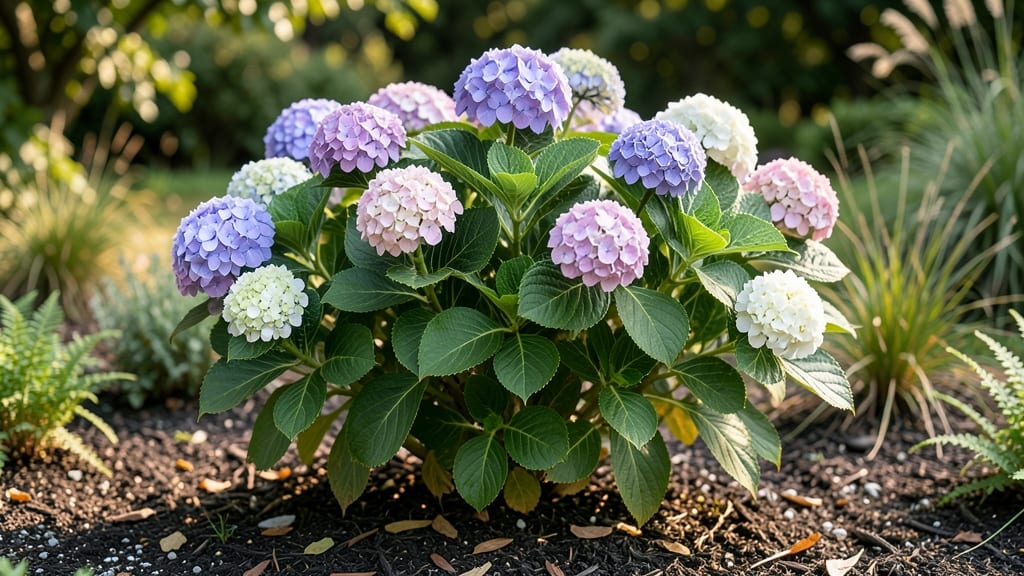
Your garden deserves year-round drama—not just seasonal flashes of color. 🌸 The secret lies in colorful perennial shrubs like hydrangeas, butterfly bushes, and weigelas, which deliver bold hues from spring through winter with minimal effort.
I’ve designed gardens where these shrubs steal the show, creating layers of texture and color that evolve with each season. The magic happens in placement and pairing. A deep purple butterfly bush beside a pink hydrangea creates instant contrast, while a golden weigela adds warmth to shady corners.
These shrubs thrive in borders, hedges, or as focal points—no complicated pruning required. Just match their light needs (most prefer full sun to partial shade) and give them well-drained soil. By mid-summer, you’ll have lush, vibrant foliage that transitions into winter interest—think burgundy stems, persistent berries, or even evergreen leaves.
The best part? They return bigger and bolder every year, cutting back on annual replanting costs. Think of them as your garden’s backbone: reliable, striking, and full of personality. For maximum impact, group shrubs in odd-numbered clusters (3, 5, or 7) and vary their heights.
A 5-foot hydrangea behind a 3-foot weigela creates depth instantly. And don’t overlook their seasonal bonuses: butterfly bushes attract pollinators, hydrangeas offer adjustable blooms, and weigelas bloom early for a spring burst of color.
📚 In This Guide
- What you need
- Instructions
- Tips and common mistakes
- Wrapping up and next steps
What you need
- ● Perennial shrubs (5–10 plants): Choose from bold hues like Hydrangea macrophylla (blue/pink), Weigela florida (pink/red), or Abelia x grandiflora (white/purple). Opt for container-friendly varieties if space is limited.
- ● High-quality potting mix (2–3 bags): Use a well-draining blend (e.g., 60% peat moss, 30% perlite, 10% compost) for containers or amend garden soil with compost for in-ground planting.
- ● Containers (if applicable): 5–10 12–18-inch pots (for small shrubs) with drainage holes.
- ● 1–2 large planters (24+ inches) for statement shrubs like Hydrangea paniculata.
- ● Slow-release fertilizer (1–2 bags): Look for a balanced formula (10-10-10) or one high in phosphorus (e.g., 5-10-5) to encourage blooms.
- ● Mulch (1–2 bags): Organic mulch (e.g., shredded bark or pine straw) to retain moisture and suppress weeds.
- ● Garden gloves (1 pair): Protect your hands from thorns (e.g., Rosa rugosa) and dirt.
- ● Trowel or hand shovel: For transplanting or amending soil.
- ● Pruning shears (1 pair): Bypass pruners (sharp, clean) for shaping and deadheading.
- ● Watering can or hose with nozzle: Drip irrigation is ideal for containers.
- ○ pH test kit (optional): Ensure soil pH aligns with your shrubs’ needs (e.g., Hydrangeas thrive in acidic soil, pH 5.5–6.2).
- ○ Sunlight map (optional): Assess your garden’s 6+ hours of sun vs. partial shade zones.
- ● ✨ Color coordination: Pair purple (Caryopteris) with yellow (Forsythia) for high-contrast drama.
- ● 🌡️ Climate prep: Hardiness zones 5–9 work for most perennials; check tags for specifics.
- ● 🎯 Container hack: Add hydrogel crystals to potting mix for drought-prone areas.
Step-by-step guide to designing a stunning perennial shrub garden
Here’s how I create vibrant, low-maintenance shrub gardens that burst with color year after year.
🌱 Step 1: Choose a Diverse Palette of Perennial Shrubs
Select shrubs with varying bloom times and foliage colors to ensure continuous interest. I always include 3-4 evergreens like boxwood or inkberry for winter structure, plus deciduous shrubs such as hydrangeas, spirea, and abelia for seasonal color shifts. For example, hydrangeas bloom in summer, while winterberry holly adds red berries in fall and winter.
Check each plant’s mature size—overcrowding leads to competition for nutrients and light. Aim for a mix of heights: tall shrubs (6-8 feet) like panicle hydrangeas at the back, medium shrubs (3-5 feet) like butterfly bush in the middle, and low-growing shrubs (1-3 feet) like dwarf lilacs or cotoneaster in the front. This creates natural layers and visual depth.
☀️ Step 2: Site Selection and Soil Preparation
Most perennial shrubs thrive in full sun to partial shade, but always match the plant’s light requirements to its location. For instance, hydrangeas need morning sun and afternoon shade in hot climates, while spirea handles full sun without wilting. Test your soil’s pH—hydrangeas prefer acidic soil (pH 5.5-6.0) for blue blooms, while butterfly bush tolerates neutral to alkaline soil (pH 6.0-7.0).
Amend the soil with 2-3 inches of compost and 1 inch of organic mulch (like shredded bark) to retain moisture and suppress weeds. I avoid heavy clay soils—if yours is dense, mix in sand or perlite to improve drainage. Shrubs hate soggy roots, so ensure the planting area has well-draining soil and isn’t prone to waterlogging.
🪴 Step 3: Plant Shrubs with Proper Spacing and Depth
Dig holes twice as wide as the root ball but only as deep as the container’s base. Gently remove the shrub from its pot and loosen any circling roots with your fingers—this encourages outward growth instead of girdling. Place the shrub in the hole so the top of the root ball sits 1 inch above ground level (settling will occur over time).
Backfill with native soil mixed with compost, tamping lightly to eliminate air pockets. Water deeply to settle the soil, then add a 2-inch layer of mulch around the base, keeping it 3 inches away from the stem to prevent rot. Space shrubs according to their mature width: 3-4 feet apart for medium shrubs, 5-6 feet apart for large shrubs, and 2-3 feet apart for dwarf varieties.
✂️ Step 4: Prune for Shape and Health
Prune immediately after planting to remove any dead or damaged branches. For spring-flowering shrubs like lilacs, prune right after they bloom to avoid cutting off next year’s flowers. Summer-flowering shrubs like hydrangeas and abelia can be pruned in late winter or early spring before new growth begins. Use clean, sharp pruners to make cuts at a 45-degree angle just above a bud or branch collar.
Shape the shrub by removing crossing branches and suckers (shoots growing from the base). For a natural look, I avoid shearing—instead, I selectively prune to encourage open, airy growth. After pruning, apply a balanced fertilizer (like 10-10-10) to support recovery. Water deeply again to help the roots establish.
💧 Step 5: Maintain Year-Round for Long-Term Color
Water newly planted shrubs deeply 2-3 times per week for the first month, then taper to once a week once established (unless there’s a drought). Most perennial shrubs are drought-tolerant once established, but young plants need consistent moisture. I check soil moisture by sticking my finger 2 inches deep—if it’s dry, it’s time to water.
Fertilize in early spring with a slow-release granular fertilizer to promote lush growth. In late fall, add a layer of mulch to insulate roots and protect against freezing temperatures. Watch for pests like aphids or spider mites—a strong spray of water usually does the trick, but severe infestations may require neem oil. Regular pruning in late winter keeps shrubs healthy and encourages vibrant blooms.
Tips & tricks for creating a stunning perennial shrub garden
A few key strategies will help you transform your garden into a vibrant, low-maintenance masterpiece that thrives all year long.
Layering for Visual Depth: When arranging your shrubs, think vertically—tall varieties like panicle hydrangeas (6-8 feet) belong at the back, medium shrubs such as butterfly bush (3-5 feet) create the middle layer, and low-growing varieties like dwarf lilacs (1-3 feet) anchor the front. This creates natural depth and prevents overcrowding, which is crucial for healthy growth. I've found that spacing medium shrubs 3-4 feet apart gives them room to mature without competing for nutrients.
Soil Preparation Secrets: The foundation of a thriving shrub garden starts with soil. For acid-loving plants like hydrangeas, test your soil's pH—aim for 5.5-6.0 to encourage those stunning blue blooms. If your soil is heavy clay, mix in sand or perlite to improve drainage, as soggy roots are the enemy of perennial health. I always add 2-3 inches of compost to the planting hole before backfilling, which gives roots an immediate nutrient boost while encouraging organic matter breakdown over time.
Pruning Precision: Timing is everything when it comes to pruning. For spring-flowering shrubs like lilacs, wait until right after they bloom to avoid cutting off next year's flower buds. Summer-flowering varieties like hydrangeas can be pruned in late winter or early spring, but never after they've bloomed that season. Use clean, sharp pruners and make cuts at a 45-degree angle just above a bud or branch collar—this promotes faster healing and reduces disease risk. A light touch goes a long way in maintaining that natural, airy growth we're after.
Year-Round Maintenance: During the first month after planting, water deeply 2-3 times per week to help roots establish. After that, most perennials only need weekly watering unless you're experiencing drought conditions. In early spring, apply a slow-release granular fertilizer to support new growth, and don't forget to add 2 inches of mulch in late fall to protect roots from freezing temperatures. This consistent care ensures your shrubs remain vibrant and healthy through every season.
Pro Tips for Colorful Perennial Shrubs
- A few key strategies will help you transform your garden into a vibrant, low-maintenance masterpiece that thrives all year long.
- This creates natural depth and prevents overcrowding, which is crucial for healthy growth.
- Soil Preparation Secrets: The foundation of a thriving shrub garden starts with soil.
Frequently asked questions
Got questions about adding colorful perennial shrubs to your garden? You’re not alone! Here are some of the most common queries—and their answers—to help you create a vibrant, low-maintenance landscape that thrives year after year.
What’s the best time of year to plant perennial shrubs?
For most regions, early spring or early fall are ideal—when soil is workable but not scorching. This gives roots time to establish before extreme heat or cold. Avoid planting in mid-summer (stress risk) or winter (dormant plants struggle). Pro tip: Check your USDA hardiness zone for local timing tweaks!
How do I keep my shrubs looking colorful all season long?
Start with layered bloomers: Pair early spring bloomers (like Pieris japonica), mid-season stars (e.g., Hydrangea), and late-season showstoppers (e.g., Abelia). Prune strategically—right after flowering for repeat bloomers—to encourage new growth. Mulch and consistent watering (1–1.5 inches/week) also boost vibrancy!
Why are my perennial shrubs losing leaves or turning yellow?
Yellowing leaves often signal overwatering, underwatering, or nutrient deficiencies. Check soil moisture (stick your finger in—it should feel damp but not soggy). Brown edges? Likely dry air or salt buildup. Pale yellow? Time for a balanced fertilizer (spring/early summer). Fungal spots? Prune affected areas and improve airflow.
Can I mix perennial shrubs with annuals for extra color?
Annuals (like petunias or impatiens) fill gaps and extend bloom seasons, but choose perennials as your backbone for structure. Avoid overcrowding—leave 18–24 inches between shrubs for airflow. For example, pair Butterfly Bush (perennial) with coleus (annual) for a tropical vibe!
Are there budget-friendly perennial shrubs for small gardens?
Yes! Opt for native or heirloom varieties, which are often cheaper and thrive with less care. Top picks:
- Spirea (hardy, blooms spring–summer, $10–$20 per plant)
- Dwarf Fothergilla (fragrant, compact, $15–$25)
- Salvia nemorosa (drought-tolerant, $8–$15)
Wrapping up and next steps
Transforming your garden into a vibrant, year-round masterpiece doesn’t have to be complicated—just strategic! 🌸 With the right colorful perennial shrubs, you’ll enjoy low-maintenance beauty that thrives through seasons, from fiery reds to soft purples.
Whether you’re a beginner or a seasoned gardener, these plants offer easy care, bold impact, and lasting joy—no green thumb required.
Ready to take the next step? Start small—pick one or two shrubs to test in your space, then expand as you fall in love with the colors! 🌿 Grab your gloves, sketch a simple layout, and let nature do the rest. Your garden’s drama-worthy transformation awaits!