
Shrubs
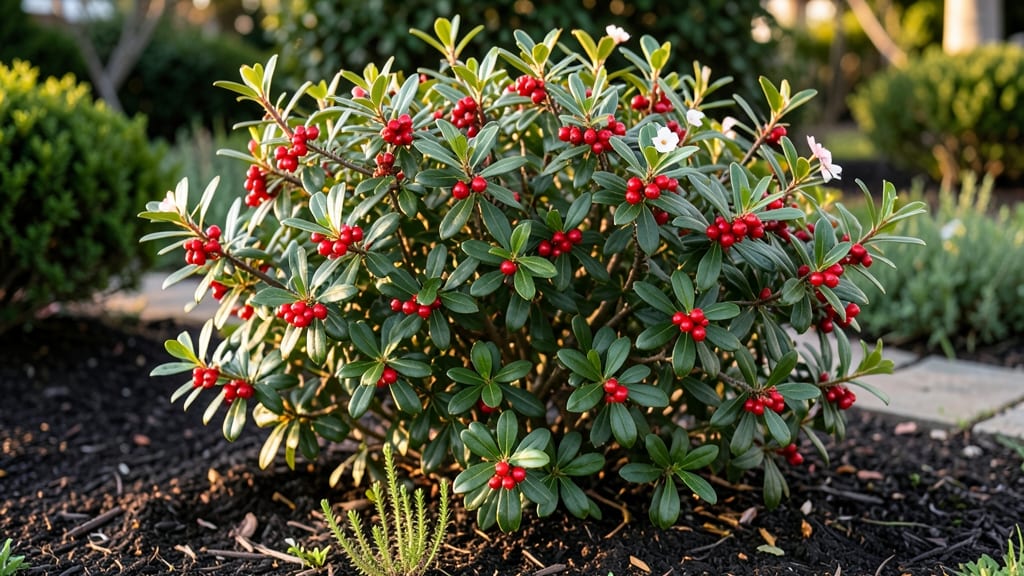
Red-colored bushes and shrubs turn your garden into a living work of art—year-round. 🌿 I’ve designed landscapes where these bold plants steal the show, whether it’s the deep burgundy of Berberis thunbergii or the fiery red blooms of Hydrangea macrophylla.
They’re not just seasonal eye-catchers; they’re the backbone of low-maintenance, high-impact gardens that work in formal hedges, wild cottage borders, or modern minimalist designs.
The best part? They handle almost any climate and soil type once you pick the right varieties. Cotoneaster thrives in partial shade, while Hydrangea loves morning sun and afternoon shade.
Pair a red-leaved shrub like Euonymus alatus with silver foliage for instant contrast, or let the blooms of Weigela pop against dark green conifers. These plants deliver four-season interest—winter stems, spring blooms, summer foliage, and fall berries—so you’re never stuck with a dull corner.
You’ll create focal points that draw the eye, borders that frame pathways, or even privacy screens that feel like art installations. The key is mixing textures: velvety leaves, spiky berries, or delicate flowers.
A single Cornus sericea (red-twig dogwood) can anchor a whole garden design, while a row of Hydrangea paniculata ‘Limelight’ adds height and drama. These shrubs are the secret weapon for gardeners who want bold color without the fuss—and they work in containers too.
Start small with one or two standout varieties, then expand as you see what thrives in your space. The payoff? A garden that feels alive, intentional, and effortlessly stylish—no matter the season. Ready to transform your yard into a red-hot masterpiece?
📚 In This Guide
- What you need
- Instructions
- Tips and common mistakes
- Wrapping up and next steps
What you need
- ● Red-colored shrubs or bushes: Choose from varieties like Cotoneaster, Pyracantha, Berberis, or Hydrangea (red blooms). Buy 3-5 mature plants (3-5 ft tall) for full coverage or 10-15 young plants (1-2 ft) for a dense hedge.
- ● High-quality potting soil or garden soil: 5-10 bags (2-3 cubic feet each), amended with compost (1 bag) for nutrient-rich soil.
- ● Organic mulch: 2-3 bags (shredded bark or pine straw) to retain moisture and suppress weeds.
- ● Slow-release fertilizer: 1 bag (10-10-10 or balanced formula) for seasonal feeding.
- ● Garden gloves: 1 pair (heavy-duty for thorny shrubs like Pyracantha).
- ● Hand trowel or spade: 1 (for digging holes) and 1 pruning saw (for thick branches).
- ● Pruning shears: 1 pair (bypass or anvil type, sterilized).
- ● Watering can or hose with nozzle: 1 (for deep watering).
- ● Measuring tape: 1 (to space plants 3-6 ft apart, depending on variety).
- ● Epsom salt: 1 small container (for magnesium boost in yellowing leaves).
- ● Plant support stakes: 3-5 (for newly planted shrubs in windy areas).
- ● Decorative rocks or edging: 1 bag (to define garden beds and enhance curb appeal).
- ● Slow-release plant food spikes: 5-10 (for hassle-free feeding).
How to select and plant striking red bushes for year-round impact
Here's my approach to choosing and installing red foliage shrubs that deliver bold color from spring through winter.
🌱 Step 1: Choose the Right Red Shrubs for Your Climate
Start with shrubs that naturally maintain their red hues year-round, like Dwarf Wintercreeper (Euonymus fortunei 'Coloratus') or Coralberry (Symphoricarpos orbiculatus). These varieties keep their deep burgundy tones even in winter. For full sun exposure, consider Red Twig Dogwood (Cornus sericea), whose stems turn fiery red in winter while leaves stay green until frost.
Check your hardiness zone—most red-leafed shrubs thrive in zones 5-9. I always verify the mature size (some like Dwarf Fothergilla stay under 3 feet tall, while others like Smokebush reach 6-8 feet). Match the shrub's scale to your space to avoid overcrowding or planting too small for the area.
🪴 Step 2: Prepare Planting Sites with Well-Draining Soil
Red shrubs perform best in moist but well-draining soil with a pH of 5.5-7.0. If your soil is heavy clay, amend it with 2-3 inches of compost mixed into the top 12 inches of soil. For container planting, use a 50/50 blend of potting soil and perlite to prevent root rot—red shrubs are particularly sensitive to soggy roots.
Dig a hole twice as wide as the root ball but only as deep. Place the shrub so the top of the root ball sits 1 inch above ground level. This prevents water from pooling around the stem, which can cause rot. Tap the soil gently to remove air pockets, then water deeply to settle everything.
☀️ Step 3: Plant for Seasonal Color Impact
Position shrubs to highlight their color changes throughout the year. For example, plant Red Twig Dogwood where winter stems will show against a white fence or dark evergreens. Group 3-5 shrubs of the same variety together to create a bold visual statement—this works especially well with Coralberry or Dwarf Wintercreeper.
Space larger shrubs 6-10 feet apart to allow airflow and prevent disease. I always plant red shrubs near complementary colors—pair burgundy Fothergilla with silver-blue Blue Mist Shrub** (Caryopteris) for striking contrast. Water immediately after planting to help roots establish, then mulch with 2-3 inches of shredded bark to retain moisture.
Water newly planted shrubs deeply once a week for the first two months, then taper to every 10-14 days once established. Red shrubs often signal thirst by dropping leaves—watch for wilting or yellowing as early warnings. Prune in late winter or early spring to shape and encourage new growth, but avoid heavy cuts that remove next year's color. Fertilize in early spring with a balanced 10-10-10 formula to support vibrant foliage. I skip fall fertilization—red shrubs need a rest period to develop their winter hues. Apply a slow-release fertilizer in spring to avoid overfeeding, which can dilute color intensity. Prune red-leafed shrubs just before new growth begins in early spring. Remove any dead, diseased, or crossing branches first. For shrubs like Dwarf Wintercreeper, cut back one-third of the oldest stems each year to encourage new growth—this keeps the plant compact and vibrant. Never prune into old wood on shrubs like Red Twig Dogwood, as the current year's stems produce the winter color. Instead, shape lightly to maintain an open center. After pruning, apply a mulch ring around the base to protect roots in winter and retain moisture in summer.💧 Step 4: Maintain Year-Round Vibrancy
✂️ Step 5: Prune Strategically for Next Year's Color
Tips & tricks for perfect year-round red bushes
These simple yet game-changing strategies will help your red shrubs thrive and maintain their vibrant color through every season.
Seasonal Color Strategy: To maximize the visual impact of your red foliage, plant Red Twig Dogwood where its winter stems will create a striking contrast against a white fence or dark evergreens. The fiery red stems pop dramatically against these backgrounds, especially when backlit by winter sunlight. For Coralberry or Dwarf Wintercreeper, group 3-5 plants together to create a bold, unified color block that catches the eye from any angle in your landscape.
Soil Preparation Insight: The soil pH of 5.5-7.0 is crucial for maintaining vibrant red hues. If your soil tests outside this range, amend it with elemental sulfur to lower pH or lime to raise it. I've found that red shrubs in slightly acidic soil (around 6.0) often develop the most intense burgundy tones. For container planting, use the 50/50 blend of potting soil and perlite to prevent root rot, which can cause leaves to yellow and lose their color. Always check your containers have adequate drainage holes—this is non-negotiable for red shrubs.
Pruning Precision: When pruning Dwarf Wintercreeper in early spring, focus on cutting back one-third of the oldest stems each year. This technique maintains the plant's compact shape while encouraging vibrant new growth. For Red Twig Dogwood, avoid pruning into old wood—those stems are responsible for next winter's fiery display. Instead, shape lightly to maintain an open center that allows sunlight to penetrate and create more colorful stems throughout the plant.
Winter Protection: After pruning, create a mulch ring around the base of your shrubs using 2-3 inches of shredded bark. This serves two purposes: it protects roots from winter temperature fluctuations that can cause stress, and it retains moisture during dry winter periods. I've noticed that well-mulched red shrubs maintain their color better through winter, even in colder climates. Apply mulch after the ground freezes to prevent it from attracting voles or other pests.
Pro Tips for Red Colored Bushes Shrubs
- These simple yet game-changing strategies will help your red shrubs thrive and maintain their vibrant color through e...
- Seasonal Color Strategy: To maximize the visual impact of your red foliage, plant Red Twig Dogwood where its winter s...
- Soil Preparation Insight: The soil pH of 5.5-7.0 is crucial for maintaining vibrant red hues. If your soil tests outs...
Frequently asked questions
Got questions about adding vibrant red-colored bushes and shrubs to your garden? You’re not alone! Here are some of the most common queries—plus quick, actionable answers to help you choose, care for, and troubleshoot your bold botanical accents.
What are the best red shrubs for full sun exposure?
If your garden basks in sunlight, opt for hardy varieties like Cotoneaster (e.g., ‘Fireberry’), Pyracantha (‘Mojo’), or Abelia (‘Kaleidoscope’). These thrive in 6+ hours of direct sun and boast deep red foliage or berries. For heat tolerance, Lantana (with red blooms) is a top pick—just prune regularly to encourage bushiness!
Can red shrubs survive winter in cold climates?
Many red shrubs are winter-hardy. For zones 3–5, try Spiraea (‘Anthony Waterer’) or Weigela (‘Wine & Roses’), both of which retain color and bounce back after frost. Evergreens like Ilex crenata (‘Sky Pencil’) offer year-round red berries. Pro tip: Mulch heavily in late fall to protect roots from freeze-thaw cycles.
How can I mix red shrubs with other colors for a balanced look?
Red shrubs pop against cool tones! Pair them with silvery Artemisia, creamy Hellebores, or purple Heuchera for contrast. For a modern vibe, combine red Berberis with chartreuse Dwarf Boxwood. Design hack: Use odd-numbered groupings (3–5 plants) to create visual interest without overwhelming the space.
Why are my red shrubs losing color or turning yellow?
Color loss often signals stress. Check for overwatering (yellow leaves = root rot risk) or nutrient deficiencies (pale foliage = feed with iron or a balanced fertilizer). Pests like spider mites can also drain vibrancy—spray with neem oil if you spot webbing. Quick fix: Prune affected branches to encourage new growth and improve airflow.
Are there low-maintenance red shrubs for beginners?
Yes! Start with Dwarf Fothergilla (‘Mount Airy’), which sports fiery red fall foliage and needs minimal pruning. Dwarf Ninebark (‘Diablo’) is another winner—drought-tolerant and disease-resistant. For blooms, Butterfly Bush (‘Royal Red’) attracts pollinators with zero fuss. Bonus: Most thrive in average soil, so no need for fancy amendments!
Can I propagate red shrubs from cuttings?
Many red shrubs root easily! Take 4–6 inch cuttings in early summer, strip lower leaves, and dip in rooting hormone. Place in moist perlite or sand, then cover with a plastic bag to retain humidity. Abelia and Weigela are especially cooperative. Patience tip: Roots may take 4–8 weeks—keep soil damp but not soggy!
Wrapping up and next steps
Transforming your garden with bold red bushes and shrubs is a fantastic way to add vibrant color and year-round interest! Whether you’re drawn to the deep crimson of Cotoneaster or the fiery hues of Abelia, these plants offer low-maintenance beauty that thrives in various climates. 🌿
Ready to elevate your outdoor space? Start by choosing the right varieties for your zone, then plant with confidence—your garden will thank you! For extra inspiration, sketch a quick layout or browse local nurseries to find the perfect match. Happy gardening! 🌸