
Pests and Diseases
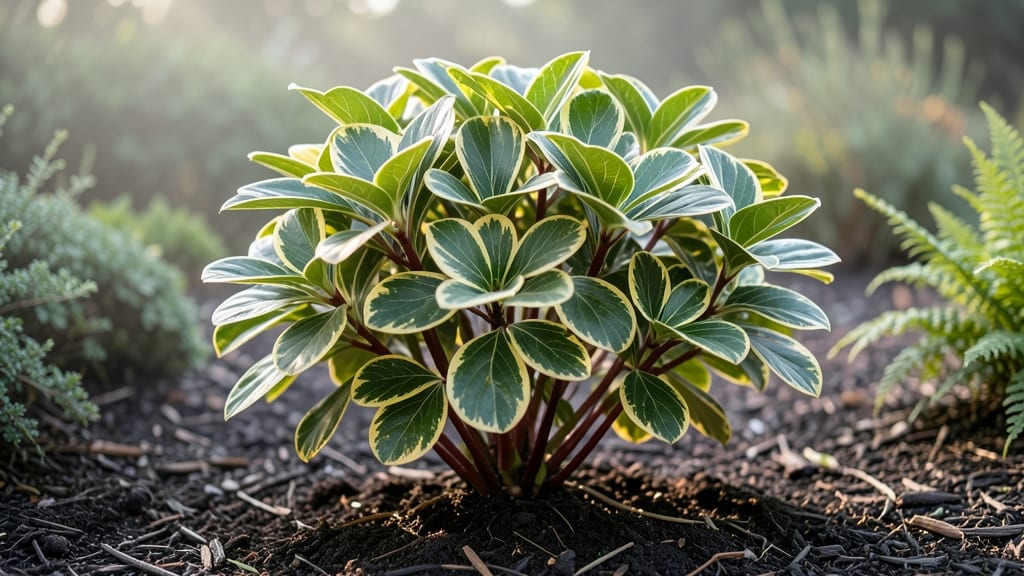
The green and yellow variegated shrub transforms any garden into a living work of art. ✨ I’ve grown Pieris japonica and Euonymus alatus ‘Emerald Gaiety’—their golden stripes glow like sunlight through leaves, even in winter.
These shrubs aren’t just pretty; they’re the backbone of a low-maintenance privacy screen that stays vibrant all year.
Plant them where they’ll catch dappled light—along fences, near patios, or tucked into shade gardens. Pair them with dark evergreens like Ilex or blooming shrubs like Viburnum to make the variegation pop.
They handle pruning like champs, so you can shape them into hedges or let them grow wild for texture. Just avoid soggy soil, and they’ll reward you with year-round drama—no dead zones, no fuss.
📚 In This Guide
- What you need
- Instructions
- Tips and common mistakes
- Wrapping up and next steps
What you need
- ● Variegated shrubs: 5–10 plants (depending on desired height and density) such as Ligustrum vicaryi 'Loddon Gold', Abelia 'Kaleidoscope', or Forsythia 'Spring Glory' (ensure they’re disease-resistant and hardy in your USDA zone).
- ● Well-draining soil: 50 lbs of a mix of native soil, compost, and perlite (ratio: 60% soil, 30% compost, 10% perlite).
- ● Organic mulch: 10–15 cubic feet of shredded bark or pine needles to retain moisture and suppress weeds.
- ● Fertilizer: Slow-release, balanced granular fertilizer (10-10-10 or 20-20-20, 5 lbs per plant).
- ● Watering system: Drip irrigation kit or soaker hoses (50–100 ft, depending on screen length).
- ● Shovel or spade (for digging holes 2–3 times wider than root balls).
- ● Garden trowel (for precision planting).
- ● Wheelbarrow (to transport soil and mulch).
- ● Measuring tape (to space plants 3–6 ft apart for optimal growth).
- ● Pruning shears (for trimming and shaping).
- ● Gloves and knee pads (for comfort during planting).
- ● Pest deterrents: Neem oil spray (16 oz) or copper fungicide (for fungal disease prevention).
- ● Support structures: Bamboo stakes or trellises (if training vines like Clematis for added height).
- ● Decorative elements: Solar-powered garden lights or lattice panels for a polished look.
- ● Soil test kit: To check pH and nutrient levels before planting (aim for 6.0–7.0 pH).
How to plant and maintain a stunning variegated shrub privacy screen
Here’s my go-to approach for creating a bold, year-round privacy barrier with striped foliage that stays vibrant through every season.
🌱 Step 1: Choose the Right Variegated Shrubs for Your Climate
Start by selecting shrubs with green-and-yellow variegation that thrive in your USDA hardiness zone. My top picks are Dwarf Fothergilla, Variegated Boxwood, or Lemon-Lime Ninebark—all handle pruning well and maintain their striking patterns. Check plant tags for mature size; a 6-foot-tall shrub planted 4 feet apart creates a full screen in 3-5 years.
Here's the thing—avoid placing these in full afternoon sun if your summers are scorching. The yellow variegation can scorch in intense heat, turning dull or brown. Instead, opt for morning sun with afternoon shade or dappled light under tall trees. I always test a spot for at least 24 hours before planting to gauge light conditions.
🪴 Step 2: Prepare the Planting Site for Optimal Growth
Dig holes twice as wide as the root ball but only as deep as the container. Amend the native soil with 2-3 inches of compost mixed into the bottom of each hole—this improves drainage and feeds roots right away. Variegated shrubs hate soggy feet, so if your soil drains poorly, add a 1-inch layer of coarse sand to the hole’s base.
Space plants 3-5 feet apart depending on mature size—closer spacing for smaller varieties like Dwarf Fothergilla, wider for Lemon-Lime Ninebark. I like to outline the planting area with stakes and twine first to ensure straight rows. Water the holes deeply 24 hours before planting to prevent transplant shock from dry soil.
☀️ Step 3: Plant and Water for Immediate Establishment
Remove the shrub from its container and loosen any circled roots at the bottom with your fingers—this encourages outward growth instead of root binding. Place the plant in the hole so the top of the root ball sits level with the surrounding soil (never buried deeper). Backfill with native soil, pressing gently to eliminate air pockets.
Water immediately after planting with 1 gallon per plant to settle the soil. You’ll see the soil surface darken as it absorbs moisture—this is your cue that roots are making contact. Mulch around the base with 2-3 inches of shredded bark, keeping it 6 inches away from the stem to prevent rot. This mulch layer locks in moisture and keeps roots cool.
✂️ Step 4: Prune and Maintain for Year-Round Vibrancy
Prune late winter or early spring before new growth begins. Remove dead, crossing, or overcrowded branches first, then shape the shrub by cutting just above a leaf bud (the swollen bump where new growth emerges). Avoid heavy pruning—never cut back more than one-third of the plant’s height in a single season, or you’ll risk losing variegation.
Fertilize lightly in early spring with a balanced 10-10-10 formula, but skip phosphorus if your soil tests high. Variegated shrubs often struggle with nutrient burn—too much fertilizer can cause leaf scorch. Water deeply once a week during dry spells, aiming for 1-1.5 inches of moisture per week. You’ll know it’s enough when the soil feels damp 2 inches below the surface.
🌿 Step 5: Monitor and Adjust for Long-Term Health
Watch for yellowing leaves—this usually means overwatering or poor drainage. If the yellow appears on older leaves first, it’s likely natural aging. But if new growth is pale or loses variegation, your shrub may need more sunlight. Move it to a sunnier spot gradually over 2-3 weeks to avoid shock.
Every 3-4 years, refresh the mulch and check for compacted soil. If the ground feels hard when pressed, aerate gently with a hand trowel around the root zone. Variegated shrubs reward patience—with proper care, they’ll maintain their bold stripes for decades, outshining plain green screens any season.
Tips & tricks for stunning variegated shrub privacy screens
These insider tricks will help you create a show-stopping striped foliage screen that thrives year after year.
Selection Tip: When choosing between Dwarf Fothergilla, Variegated Boxwood, or Lemon-Lime Ninebark, consider your climate's extremes. Dwarf Fothergilla handles cold better (USDA zones 4-7), while Lemon-Lime Ninebark thrives in zones 3-8. I've found that Ninebark's more vigorous growth makes it ideal for faster privacy solutions, though it requires slightly more pruning to maintain its compact shape. The key is matching the shrub's native range to your local microclimate for that vibrant variegation to stay true to form.
Soil Preparation Strategy: The 2-3 inches of compost you mix into the planting hole isn't just about nutrients—it's about creating the perfect moisture balance. Variegated shrubs despise soggy conditions, so if your native soil drains poorly, that extra 1-inch layer of coarse sand becomes your secret weapon. I always do a quick "squeeze test" on the amended soil: when pressed firmly, it should hold its shape but not feel compacted. This texture mimics their natural woodland habitats where they thrive.
Light Condition Mastery: That 24-hour light test before planting is non-negotiable for maintaining those golden yellow stripes. I've seen beautiful variegated shrubs turn into sad, all-green specimens because they were planted in full afternoon sun. Pro tip: If you're unsure about your spot, place a white piece of cardboard on the ground where you plan to plant. After 24 hours, check for any brown or yellow marks—these indicate direct sun that could scorch your shrubs. Morning sun with afternoon shade is the sweet spot for preserving that stunning contrast.
Long-Term Maintenance Hack: The 3-4 year mulch refresh isn't just about aesthetics—it's your chance to check for soil compaction. I use a simple test: press your thumb into the soil around the root zone. If it feels like pressing into wet sand (resists easily), you've got compaction. In this case, gently aerate with a hand trowel around the drip line, being careful not to damage roots. This simple step can double your shrubs' longevity by ensuring proper oxygen flow to those critical root systems.
Pro Tips for Green And Yellow Variegated Shrub
- These insider tricks will help you create a show-stopping striped foliage screen that thrives year after year.
- Selection Tip: When choosing between Dwarf Fothergilla, Variegated Boxwood, or Lemon-Lime Ninebark, consider your cli...
- Soil Preparation Strategy: The 2-3 inches of compost you mix into the planting hole isn't just about nutrients—it's a...
Frequently asked questions
Got questions about keeping your green and yellow variegated shrub thriving while warding off pests and diseases? Here are some of the most common concerns—and their solutions!
What pests are most likely to attack my variegated shrub?
Variegated shrubs like Ligustrum sinense 'Variegata' or Berberis thunbergii 'Aureomarginata' are often targeted by aphids, spider mites, and scale insects. These pests thrive in dry conditions, so consistent watering helps deter them. Look for sticky residue (honeydew), yellowing leaves, or webbing—signs it’s time to act with insecticidal soap or neem oil.
Why are the yellow edges on my leaves turning brown or crispy?
Brown or crispy variegation is usually a sign of over-sun exposure, underwatering, or salt buildup from tap water. Variegated shrubs need partial shade (especially in hot climates) and even moisture. Try mulching to retain humidity and switching to rainwater or distilled water if your area has hard water.
Can variegated shrubs survive winter frost?
Most variegated shrubs are hardy to USDA Zones 5-9, but young plants or tender varieties (like some Euonymus species) may need winter protection. Wrap the base with burlap or frost cloth in extreme cold (<20°F). Avoid heavy mulch in spring until soil warms—rot risk is higher when temps fluctuate!
What’s a good alternative if my variegated shrub struggles in my climate?
If your area has intense heat, humidity, or poor drainage, try these resilient alternatives:
- Dwarf Ficus (Ficus microcarpa 'Little Gem') – Tolerates urban pollution and partial shade.
- Variegated Boxwood (Buxus 'Winter Gem') – Cold-hardy and pest-resistant.
- Golden Privet (Ligustrum x vicaryi 'Loddon Gold') – Fast-growing with golden foliage.
How do I prevent fungal diseases like powdery mildew?
Powdery mildew loves crowded, humid conditions—so prune for airflow and avoid overhead watering. Spray leaves with a baking soda mix (1 tsp baking soda + 1 quart water + a drop of soap) every 2 weeks as prevention. For severe cases, use fungicide (neem oil or copper-based) and remove infected leaves immediately.
Wrapping up and next steps
Transforming your space with a green and yellow variegated shrub isn’t just about aesthetics—it’s about creating a thriving, low-maintenance privacy screen that wows year-round! 🌿 Whether you’re battling pests, choosing the right soil, or spacing plants for optimal growth, you now have the tools to succeed.
Ready to take the next step?
Start small: Pick one or two shrubs to test in your garden, and watch your vision come to life. With the right care, your striped foliage privacy screen will become the envy of the neighborhood—and a haven for wildlife! 🐝
Happy planting!