
Shrubs
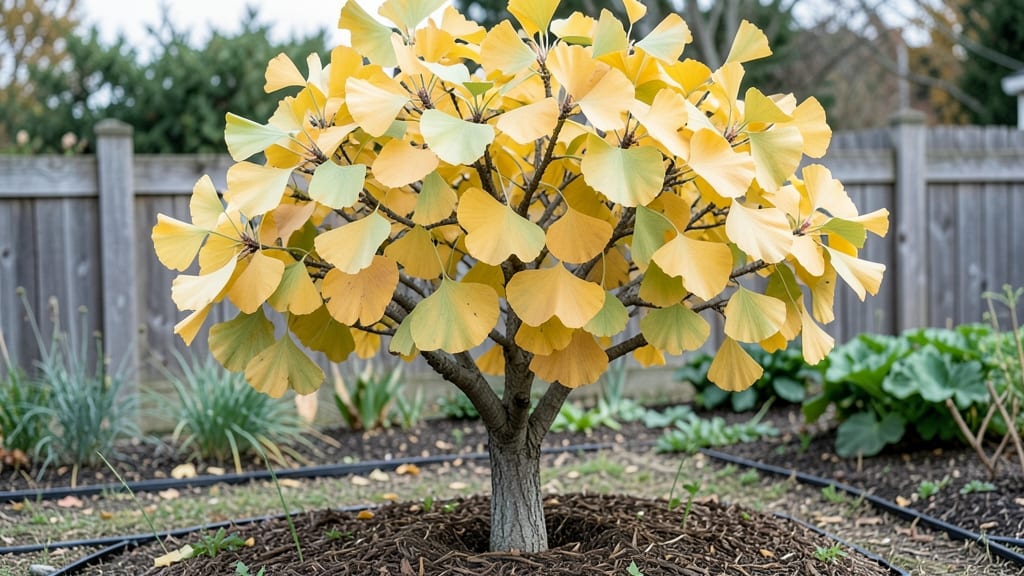
Yellow leaves on shrubs don’t mean your plants are doomed—often, they’re just calling for help. 🌿 I’ve seen azaleas and hydrangeas go from sad to lush in just days once we pinpointed the real issue, whether it’s too much water, not enough nutrients, or something sneaky like spider mites.
The key is acting fast before the problem spreads.
Most yellowing starts with the soil or water. Overwatering drowns roots, while underwatering starves them—both show up as yellow leaves. Then there are nutrient deficiencies (like iron or nitrogen), pests hiding on the undersides, or even compacted soil blocking roots.
My garden journal helped me spot patterns: after that heavy rain last June, half my shrubs turned yellow until I adjusted their care.
By tomorrow, you could be testing soil moisture, checking for pests, and giving your shrubs the right fertilizer.
A simple soil test or a quick look at the leaves’ undersides reveals the culprit, and once you fix it—whether it’s cutting back on water or adding compost—they bounce back faster than you’d think. The first flush of new green growth is always the best reward.
This works for almost any shrub, from foundation plants to flowering bushes. The only rule? Don’t wait until the whole plant looks sick. Early action means your shrubs stay healthy, vibrant, and full of life—no yellow leaves in sight.
Root Causes Of Leaf Discoloration
When your shrub starts sporting yellow leaves, it’s often a cry for help—your plant is trying to tell you something’s off. Understanding the why behind the yellowing is the first step to turning things around. Below, we break down the most common culprits, backed by science and actionable insights.
Yellow leaves can signal that your shrub isn’t receiving the right nutrients. The most common deficiencies include:
- Nitrogen (N) deficiency: Leaves turn pale yellow, often starting at the tips or between veins. Nitrogen is vital for chlorophyll production, and without it, your shrub can’t photosynthesize efficiently. Action: Apply a balanced fertilizer (10-10-10 or higher in nitrogen) or organic amendments like compost or well-rotted manure.
- Iron (Fe) deficiency (chlorosis): New leaves develop bright yellow patches while veins remain green. This is common in alkaline soils, where iron becomes unavailable. Action: Use chelated iron supplements or apply sulfur to lower soil pH gradually.
- Magnesium (Mg) deficiency: Older leaves yellow between veins first, then brown as the deficiency worsens. Magnesium is a key component of chlorophyll. Action: Add Epsom salt (magnesium sulfate) to the soil or use a magnesium-rich fertilizer.
- Potassium (K) deficiency: Leaf edges turn yellow or brown, often with curling or spotting. Potassium helps regulate water and nutrient movement. Action: Apply a potassium-rich fertilizer like wood ash or greensand.
💡 Pro Tip: Conduct a soil test to pinpoint deficiencies before guessing. Many garden centers offer affordable kits, and results will guide your fertilizer choices.
Yellow leaves can also mean your shrub is getting too much love—specifically, too much water. Overwatering or soggy soil deprives roots of oxygen, leading to:
- Root rot: Roots suffocate in waterlogged soil, turning black and mushy. Above-ground symptoms include yellowing leaves, wilting, and stunted growth. Action:
- ⏰ Stop watering immediately and let the soil dry out.
- 🔪 Improve drainage by amending soil with perlite, sand, or organic matter.
- 🌱 Repot or transplant if the shrub is in a container with poor drainage.
- Nutrient leaching: Excess water washes away essential nutrients, leaving your shrub starved. Action: Water deeply but infrequently, and mulch to retain moisture and nutrients.
🌡️ Warning Signs: If the soil smells sour or the pot feels heavy with water, your shrub is likely overwatered. Stick your finger 2 inches into the soil—if it’s damp, hold off on watering.
Shrubs are resilient, but they can get sunburned or stressed by improper light exposure. Yellow leaves often appear when:
- Sunburn: Sudden exposure to intense sunlight (especially after being indoors or in shade) causes leaves to scorch and turn yellow or brown. Action:
- 🌿 Gradually acclimate your shrub to full sun by moving it outdoors for a few hours daily, increasing exposure over 1-2 weeks.
- 🌳 Provide afternoon shade if your shrub is in a hot, exposed area.
- Shade deficiency: Some shrubs (like boxwoods or holly) need partial shade. Too little light leads to pale, yellowing leaves and leggy growth. Action: Move your shrub to a spot with dappled sunlight or use grow lights for indoor plants.
✨ Light Love: Most shrubs thrive in 6 hours of sunlight daily. Observe your plant’s natural behavior—if it’s stretching toward light, it’s not getting enough.
Not all yellow leaves are caused by care mistakes—pests and diseases can also wreak havoc. Keep an eye out for:
- Spider mites or aphids: These tiny pests suck sap from leaves, causing yellowing, stippling, or curling. Look for webbing (mites) or sticky residue (aphids). Action:
- 💦 Blast off pests with a strong spray of water.
- 🧴 Use insecticidal soap or neem oil (repeat every 5-7 days).
- Fungal infections (e.g., powdery mildew, leaf spot): Yellowing leaves with dark spots or white powdery coatings signal fungal issues, often worsened by humidity or poor airflow. Action:
- 🌬️ Improve airflow by pruning dense foliage.
- 🍄 Apply fungicide (copper-based or sulfur-based) and remove infected leaves.
- Root-knot nematodes: Microscopic worms attack roots, reducing nutrient uptake and causing yellowing. Action: Use nematode-resistant plant varieties, solarize soil, or apply beneficial nematodes (like Steinernema).
🔍 Inspect closely: Flip leaves over and check stems for eggs, webbing, or unusual growths. Early detection is key!
Extreme temperatures—whether too hot or too cold—can shock your shrub into dropping or yellowing leaves. Common triggers include:
- Cold damage: Frost or sudden temperature drops can cause leaves to turn yellow or brown, especially in tender shrubs like camellias or azaleas. Action:
- 🛡️ Mulch heavily around the base to insulate roots.
- 🌡️ Use frost cloth to protect leaves during freezes.
- Heat stress: Intense heat (especially with low humidity) leads to wilting, yellowing, and leaf drop. Action:
- 💧 Water deeply in the early morning or evening to cool roots.
- 🌿 Mulch to retain moisture and reduce soil temperature.
- Transplant shock: Moving a shrub can stress it, causing temporary yellowing as it adjusts. Action: Water thoroughly after transplanting and avoid fertilizing for 4-6 weeks.
🌿 Seasonal Note: Some shrubs naturally yellow leaves in fall (like deciduous varieties). If the rest of the plant looks healthy, it’s likely just seasonal shedding.
Revive Your Shrub Fast
Yellowing leaves on your shrub can feel like a slow-motion disaster, but the good news is that most causes have quick fixes—if you act fast! Below, we’ve mapped out practical solutions for the most common culprits behind those sad, yellowing leaves.
Follow the steps tailored to your shrub’s specific issue, and you’ll see improvement in just a few days (or even overnight in some cases).
If your shrub’s leaves are yellowing and the soil feels soggy or smells musty, root rot might be the villain. Overwatering suffocates roots, cutting off their oxygen supply.
How to Fix It:
🔥 Stop Watering Immediately – Let the top 2–3 inches of soil dry out completely before watering again. 🍳 Improve Drainage – Mix compost or perlite into the soil to loosen it up.
If your shrub is in a pot, drill drainage holes if they’re missing. 👨🍳 Repot (If Needed) – If the roots are mushy or black, trim away the rotten parts with sterilized scissors and repot in fresh, well-draining soil. ⏰ Monitor Closely – Water only when the top inch of soil is dry, and avoid letting water pool at the base.
💡 Prevention Tip: Test your soil’s moisture level by sticking your finger in—if it’s damp after 24 hours, you’re overwatering. Most shrubs prefer dry spells between waterings.
Crispy, yellowing edges or leaves that feel dry to the touch? Your shrub is thirsty or sunburned. Heatwaves and shallow watering can cause leaves to wilt and turn yellow.
How to Fix It:
🔥 Deep Watering Sessions – Water slowly and deeply (about 1–1.5 inches per week) to encourage roots to grow deeper. 🍳 Mulch Like a Boss – Spread 2–3 inches of mulch (wood chips or straw) around the base to retain moisture and cool the roots. 👨🍳 Adjust Watering Times – Water early in the morning to reduce evaporation and prevent fungal issues. ⏰ Provide Shade (Temporarily) – If your shrub is in full sun, move it to a partially shaded spot for a few days to recover.
🌡️ Pro Tip: If your shrub is in a pot, soak the container in a bucket of water for 10–15 minutes to ensure even hydration.
Yellow leaves with green veins often signal a nutrient deficiency, usually iron, nitrogen, or magnesium. These deficiencies are common in alkaline soils or when plants are overworked.
How to Fix It:
🔥 Test Your Soil – Grab a DIY soil test kit (or send a sample to a local extension office) to identify deficiencies. 🍳 Fertilize Smartly –
- For Iron Deficiency (Chlorosis): Use an iron chelate fertilizer or sprinkle Epsom salt (magnesium sulfate) around the base.
- For Nitrogen Deficiency (Pale Yellow Leaves): Apply a balanced fertilizer (like 10-10-10) or compost tea. 👨🍳 Avoid Over-Fertilizing – Too much fertilizer can burn roots.
Follow package instructions and water thoroughly after applying. ⏰ Top-Dress with Organic Matter – Spread well-rotted manure or compost around the shrub and lightly scratch it into the topsoil.
🎯 Prevention Tip: Feed your shrub every 4–6 weeks during growing season (spring and summer) to keep nutrients in check.
Yellowing leaves paired with holes, sticky residue, or spots? Pests like spider mites, aphids, or fungal diseases (like powdery mildew) could be the culprits.
How to Fix It:
🔥 Identify the Problem –
- Pests? Check the undersides of leaves for tiny bugs, webs, or eggs.
- Fungal Issues? Look for white powder, black spots, or mold.
🍳 Treat Pests Naturally –
- For Soft-Bodied Pests (Aphids, Mealybugs): Spray with soapy water (1 tsp mild soap per quart of water).
- For Spider Mites: Blast off mites with a strong spray of water, then apply neem oil.
👨🍳 Fungal Disease Fix –
- Prune infected leaves and dispose of them far from the plant.
- Apply a fungicide (copper-based or sulfur-based) or baking soda spray (1 tsp baking soda + 1 quart water + a drop of soap).
⏰ Improve Airflow – Trim back overgrown branches to increase airflow and reduce humidity around the shrub.
✨ Prevention Tip: Inspect new plants before bringing them home, and quarantine them for a few days to catch pests early.
If you’re unsure what’s wrong, try this emergency recovery plan to jumpstart your shrub’s health:
- Trim the Damaged – Cut off yellow or brown leaves with clean pruners to redirect energy to healthy growth.
- Fertilize Lightly – Use a mild, balanced fertilizer to give it a quick nutrient boost.
- Water Deeply – Soak the root zone until water drains out the bottom (or 6 inches deep for in-ground shrubs).
- Mulch & Protect – Add mulch and light shade (like a cloth cover) to reduce stress.
Remember: Shrubs are tougher than they look! With the right care, most yellowing issues can be reversed in days. Keep an eye on your plant, adjust as needed, and watch it bounce back to vibrant green in no time. 🌱💚
Frequently asked questions about shrubs with yellow leaves
Why do my shrub's leaves turn yellow in patches, not all at once?
Patchy yellowing often signals localized stress. If new growth is yellow with green veins, it's likely iron deficiency (chlorosis), common in alkaline soils. Older leaves yellowing between veins? That's usually magnesium deficiency. Check the soil pH—alkaline conditions block iron uptake, while magnesium issues often appear after heavy rainfall washes nutrients away.
Can I save my shrub if half the leaves are already yellow?
Yes! Act fast by pruning all yellow leaves (don't compost them—dispose of them far from your garden) and addressing the root cause. For nutrient issues, apply Epsom salt (magnesium) or iron chelate. If overwatered, let soil dry completely and improve drainage. Healthy shrubs regenerate quickly—you'll see new growth in 2-3 weeks if you catch it early.
Are there any shrubs that naturally have yellow leaves?
Some ornamental shrubs like Forsythia or Golden Privet feature yellow foliage naturally. Others, like Variegated Boxwood, have creamy-yellow edges. If your shrub is otherwise healthy with no wilting or stunted growth, those yellow leaves might just be part of its charm. Check your plant's variety—it could be a stunning cultivar!
How do I know if my shrub needs more water or less?
Test soil moisture by sticking your finger 2 inches deep. If it's damp, you're overwatering. If dry, water deeply until it drains from the bottom (for potted shrubs). Yellow leaves with crispy edges? It's thirsty. Yellow leaves with soggy soil? It's drowning. The key is consistency—most shrubs prefer dry spells between waterings rather than constant moisture.
Will fertilizing help if my shrub's leaves are yellow from pests?
Not directly—fertilizer won't kill pests, but it can weaken your shrub further. First treat the infestation with insecticidal soap or neem oil. Once pests are under control, you can lightly fertilize to help recovery. For spider mites, blast them off with water first—they hide on leaf undersides. Pests thrive on stressed plants, so fixing both issues simultaneously is critical.