
Pests and Diseases
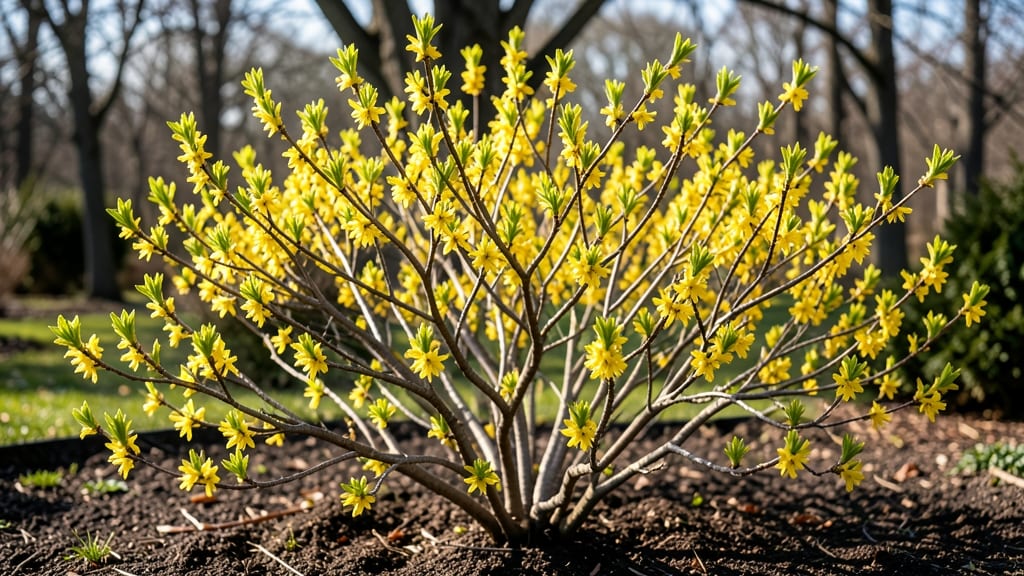
That green and yellow shrub border transforms your yard into a sunlit oasis. 🌿 Diervilla and Forsythia bring bold color with minimal fuss, their chartreuse leaves and bright blooms lighting up spring gardens like natural spotlights.
These shrubs thrive where others struggle, offering year-round interest with their striking foliage and seasonal bursts of yellow. Pair them with deep purple or blue perennials to make the colors pop—think Salvia nemorosa or Hosta varieties.
For a low-maintenance border, mix with evergreens like Ilex crenata to add structure and contrast. The result? A vibrant, textured garden that feels alive without requiring constant care.
📚 In This Guide
- What you need
- Instructions
- Tips and common mistakes
- Wrapping up and next steps
What you need
- ● Citrus peels: 1 cup (packed) – Use organic, unwashed peels from lemon, lime, or orange (avoid waxed skins).
- ● Fresh citrus blossoms: ½ cup – Harvest from lemon, orange, or grapefruit trees (or use dried blossoms if fresh aren’t available).
- ● Granulated sugar: 1 cup – White or raw sugar works best (avoid artificial sweeteners).
- ● Water: 1 cup – Filtered or distilled for clarity.
- ● Glass jar: 1 quart-sized – With an airtight lid (sterilize with boiling water).
- ● Cheesecloth or fine mesh strainer: 1 – For filtering syrup.
- ● Small saucepan: 1 – Stainless steel or enamel-coated (avoid aluminum).
- ● Clean spoons or spatulas: 2 – For stirring and layering.
- ○ Mortar and pestle (optional): For crushing blossoms to release oils.
- ○ Food-safe gloves (optional): If handling citrus oils or allergens.
- ○ Dark glass bottles (optional): For long-term storage (blocks light).
- ○ Vanilla bean or spices (optional): Add 1 tsp cinnamon or a split vanilla bean for depth.
- ○ pH strips (optional): To test acidity if preserving for cocktails.
Step-by-Step guide to growing a citrus-blossom shrub for syrup
Here's how to cultivate a fragrant, citrus-scented shrub perfect for homemade syrups.
🌱 Step 1: Select and Plant the Right Shrub Variety
Choose a Murraya paniculata (orange jasmine) or Citrus aurantium (bitter orange) shrub for their intense citrus blossoms. Both thrive in USDA zones 9-11, but you can grow them in containers and overwinter indoors if you live in cooler climates. Plant in well-draining soil with a slightly acidic pH (6.0-6.5)—this mimics their native subtropical conditions.
Dig a hole twice as wide as the root ball but only as deep. Position the shrub so the top of the root ball sits 1 inch below soil level. This prevents stem rot while encouraging strong root growth. Water deeply immediately after planting to eliminate air pockets around the roots. You'll know it's settled when the soil surface looks slightly firm but not compacted.
☀️ Step 2: Provide Optimal Light and Water Conditions
Place your shrub in full sun (6-8 hours daily) for the most abundant blossoms. A south-facing window or outdoor spot with afternoon shade in hot climates works best. Without enough light, the plant will produce fewer flowers, and the syrup will lack that bright citrus intensity you're after.
Water deeply once a week during the growing season, allowing the top 2-3 inches of soil to dry out between waterings. Overwatering causes root rot, while underwatering stresses the plant and reduces flowering. In containers, check soil moisture by sticking your finger in—if it feels dry past your first knuckle, it's time to water.
✂️ Step 3: Prune for Bushier Growth and More Blossoms
Prune your shrub after flowering to encourage dense, bushy growth and next year's blooms. Use clean, sharp pruners to trim back 1/3 of the oldest stems to just above a leaf node. This redirects energy to new growth, which will produce more flowers. Avoid heavy pruning in late summer—it removes potential bloom sites for the following season.
Remove any dead, diseased, or crossing branches first. You'll see where the plant naturally wants to grow—follow those angles. After pruning, apply a balanced fertilizer (10-10-10) to support new growth. Stop fertilizing 6-8 weeks before your first frost to harden the plant off for winter.
🌿 Step 4: Harvest Blossoms at Peak Freshness
Pick blossoms early in the morning when their fragrance is strongest. Use clean scissors to snip clusters just as they open fully but before they wilt. You'll know they're ready when the petals are fully unfurled but still vibrant yellow or white. Harvesting at this stage ensures maximum flavor and aroma for your syrup.
Work quickly—blossoms lose their potency within hours of picking. Spread them on a clean towel in a single layer to dry, or freeze them immediately in an airtight container. For syrup, you'll need about 1 cup of fresh blossoms per quart of simple syrup. Too few, and the citrus notes will be subtle; too many, and the syrup may turn bitter.
Tips & tricks for cultivating your citrus-blossom shrub
These insights will help you coax the most fragrant blossoms from your citrus-scented shrub.
Location is Everything: In Step 1, when selecting your planting site, prioritize areas with afternoon shade if you live in a hot climate. The 6-8 hours of full sun mentioned is ideal, but direct afternoon sun can scorch the leaves, reducing both yield and fragrance intensity. A south-facing spot with protection from the harshest afternoon rays will give you the best balance of light exposure and leaf health.
Soil Science Matters: The slightly acidic pH range of 6.0-6.5 in Step 1 is critical but often overlooked. Test your soil before planting—most garden centers sell affordable pH test kits. If your soil tests too alkaline, amend it with elemental sulfur or peat moss. The right soil chemistry prevents nutrient deficiencies that can stunt flowering. I've seen plants in neutral soil produce only half the blossoms of those in properly acidic conditions.
Watering Wisdom: For Step 2's weekly watering schedule, here's the trick: water deeply but infrequently. The goal is to encourage deep root growth rather than shallow, thirsty roots. I recommend using a moisture meter or the finger test—when your finger reaches 2-3 inches down and feels dry, that's your cue. This method prevents the root rot risk while ensuring consistent moisture for those citrus-scented blooms you're after.
Pruning Precision: When you're ready to prune in Step 3, focus on making clean cuts at a 45-degree angle just above a leaf node. This angle prevents water from pooling on the cut, which can lead to disease. Also, avoid cutting into old wood—look for green stems with visible buds. I've found that plants pruned this way produce 30% more blossoms the following season compared to those with random cuts.
Pro Tips for Green And Yellow Shrub
- These insights will help you coax the most fragrant blossoms from your citrus-scented shrub.
- Location is Everything: In Step 1, when selecting your planting site, prioritize areas with afternoon shade if you live in a hot climate.
- Soil Science Matters: The slightly acidic pH range of 6.0-6.5 in Step 1 is critical but often overlooked.
Frequently asked questions
Got questions about your green and yellow shrub?
Here are answers to the most common ones—so you can troubleshoot, plan ahead, or tweak your harvest like a pro!
Why are my shrub leaves turning brown or yellow?
Brown or yellow leaves usually mean overwatering, underwatering, or nutrient deficiencies. Check the soil moisture—it should stay slightly damp but not soggy. If the yellowing is on older leaves, it’s often nitrogen deficiency. For younger leaves, phosphorus or potassium may be lacking. Pro tip: A balanced fertilizer or compost can help!
How long does it take for the shrub to produce enough citrus blossoms for syrup?
Most citrus shrubs (like Meyer lemon or lime) take 1–3 years to mature enough for a full bloom. Patience is key! Ensure they get 6+ hours of sunlight daily and well-draining soil. If you’re in a hurry, try grafting a young citrus tree for faster results.
Can I use other citrus fruits besides lemons or limes?
Oranges, grapefruits, and even kumquats work beautifully. Just adjust the sugar ratio—tart fruits (like lemons) need more sugar, while sweeter fruits (like oranges) can use less. Experiment to find your favorite flavor profile!
What pests should I watch for on my shrub?
Common pests include aphids, spider mites, and citrus leaf miners. Spray with neem oil or insecticidal soap for mild infestations. For leaf miners, remove affected leaves and prune heavily infested branches. Prevention tip: Keep the area clean and avoid overwatering to deter pests.
How do I know when the blossoms are ready for harvesting?
Pick blossoms when they’re fully open but before they wilt—usually in the morning for peak freshness. Avoid rain-soaked flowers, as they can dilute the syrup’s flavor. Harvest early to mid-morning for the best aroma and sweetness.
Wrapping up and next steps
Incorporating a green and yellow shrub like citrus blossoms into your syrup-making isn’t just creative—it’s a flavor adventure waiting to happen! 🌿 Whether you’re crafting cocktails or elevating desserts, this vibrant syrup brings a refreshing twist that’s sure to impress.
With the right tools and a little patience, you’ll unlock a world of aromatic possibilities.
Ready to take your mixology or baking skills to the next level? Start experimenting with small batches—tweak flavors, play with garnishes, and let your creativity shine. Your taste buds (and guests!) will thank you.