
Shrubs
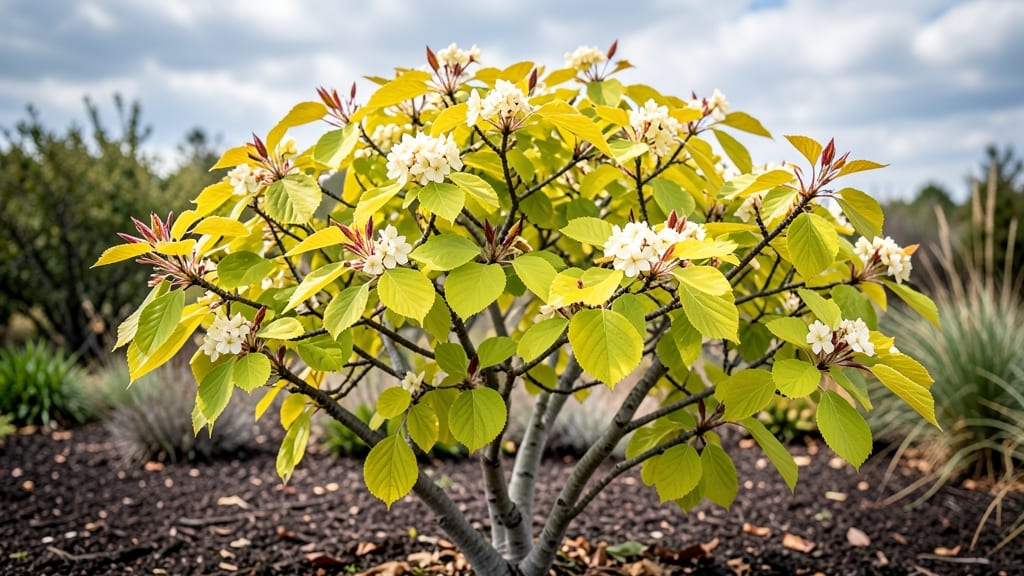
Growing a yellow dogwood shrub means adding sunlit drama to your garden with almost no effort. 🌿 These golden-foliaged beauties thrive where other shrubs struggle, demanding only the right spot and a little seasonal TLC to become your yard's fragrant centerpiece.
Start with well-draining soil and morning sun—they reward patience with arching branches that burst into yellow blooms or foliage, depending on the variety. My 'Flaviramea' dogwood still looks fresh after five years with just one annual pruning in late winter. The secret?
Their natural shape does most of the work for you.
You'll end up with a low-maintenance, four-season shrub that attracts pollinators and provides winter interest. The golden hues glow against evergreens, while the fragrant flowers perfume spring air. Perfect for borders, woodland gardens, or as a standalone statement plant—just plant it right the first time.
📚 In This Guide
- What you need
- Instructions
- Tips and common mistakes
- Wrapping up and next steps
What you need
- ● Yellow Dogwood Shrub: 1-3 nursery-grown plants (3-4 feet tall, bare-root or potted)
- ● OR seeds (collect from ripe berries in fall or purchase from a reputable supplier)
- ● Planting Site: Well-draining soil (amend with compost if needed)
- ● Partial to full shade (4-6 hours of dappled sunlight daily)
- ● Space: 6-10 feet apart (for mature shrubs)
- ● Soil Prep: 2-3 gallons of organic compost or aged manure
- ○ 1 cup of bone meal (optional, for phosphorus boost)
- ● Tools: Trowel or spade
- ● Garden gloves
- ● Watering can or hose with gentle spray nozzle
- ● Mulch (2-3 inches of pine straw or shredded bark)
- ● Slow-release fertilizer (10-10-10 ratio, applied in early spring)
- ● Pruning shears (for shaping or removing dead branches)
- ● Plant support (stakes or cages for young shrubs in windy areas)
- ● pH testing kit (ideal soil pH: 5.0-6.5)
- ● Drip irrigation system (for consistent moisture)
Step-by-Step instructions for planting and caring for yellow dogwood
Here's the straightforward approach I use to establish healthy, fragrant yellow dogwood shrubs with minimal fuss.
🌱 Step 1: Choose the Perfect Planting Spot
Yellow dogwood thrives in partial shade—think 4-6 hours of dappled sunlight daily. Avoid harsh afternoon sun that can scorch the delicate foliage. I always look for spots near trees or on the north side of buildings where morning sun filters through gently.
Check the soil drainage before planting. Dogwood roots hate soggy conditions, so if your yard holds water after rain, amend with 2-3 inches of compost or plant on a slight mound. The ideal soil pH is slightly acidic (5.5-6.5)—test your soil if unsure, as dogwoods are sensitive to alkaline conditions.
🪴 Step 2: Prepare the Planting Hole and Install
Dig a hole twice as wide as the root ball but no deeper. This encourages outward root growth rather than forcing roots to circle downward. Gently remove the plant from its container and loosen any circling roots with your fingers—dogwoods establish better when roots spread naturally.
Place the shrub so the top of the root ball sits 1 inch above ground level. This prevents stem rot from sitting water. Backfill with native soil mixed with 1 part compost to improve fertility. Water deeply to settle the soil and eliminate air pockets around the roots.
☀️ Step 3: Water and Mulch for First-Year Establishment
Water newly planted dogwoods deeply 2-3 times per week for the first month, then taper to once weekly once established. You'll know it's time to reduce watering when the soil feels dry 2 inches down—dogwoods tolerate drought better than overwatering.
Apply 2-3 inches of organic mulch (like shredded bark) around the base, keeping it 3 inches away from the trunk. This conserves moisture, regulates soil temperature, and suppresses weeds. Refresh the mulch annually in early spring—never let it pile against the stem, as this can cause rot.
✂️ Step 4: Prune Strategically for Shape and Health
Dogwoods rarely need pruning, but I remove dead, diseased, or crossing branches in late winter or early spring before new growth begins. Use clean, sharp pruners to make cuts just above a bud or branch junction. Avoid heavy pruning—dogwoods bloom on old wood, so aggressive cuts reduce next year's flowers.
Shape the shrub lightly in summer if needed, but never remove more than 25% of the canopy at once. You'll see the most vibrant yellow blooms when the shrub maintains its natural, open form. Prune after flowering to preserve next year's blossoms.
🌿 Step 5: Monitor and Maintain Year-Round
Watch for yellowing leaves—this often signals overwatering or poor drainage. Dogwoods also struggle with powdery mildew in humid climates; improve airflow by spacing plants 6-8 feet apart and avoid overhead watering.
Fertilize lightly in early spring with a balanced, slow-release fertilizer (10-10-10). Dogwoods aren't heavy feeders, so over-fertilizing leads to weak growth and fewer flowers. A single application each year is plenty—just work it into the top 2 inches of soil around the drip line.
Tips & tricks for perfect yellow dogwood shrub planting
Here's what I've learned after years of growing these fragrant beauties—details that make all the difference for long-term success.
Site Selection Secret: In Step 1, look for spots where morning sun reaches the shrub but afternoon shade kicks in naturally. I've found that dogwoods planted under tall evergreens (like pines) thrive because the needles filter harsh afternoon light while still allowing plenty of morning brightness. The 4-6 hours of dappled sunlight mentioned creates the perfect balance—too much sun scorches the leaves, while too little reduces flowering.
Root Ball Rescue: When you're loosening circling roots in Step 2, don't just pull at them—gently tease them apart with your fingers. I've seen dogwoods struggle when roots are forced to circle downward in the hole. For container-grown plants, soak the root ball for 10-15 minutes before planting to help it settle better once in the ground. This simple step prevents transplant shock that can set your shrub back for months.
Watering Wisdom: That 2-3 times weekly watering in Step 3 is non-negotiable during the first month, but here's the trick: water deeply each time until you see water running out of the bottom of the hole. Dogwoods develop deep roots when they need to search for moisture, and shallow watering encourages weak, surface roots. After the first month, let the soil dry slightly between waterings—you'll know it's time when you can't see moisture at the 2-inch depth mark.
Pruning Pro Tip: When shaping your dogwood in Step 4, always cut just above a bud that faces outward from the plant. This encourages new growth in the right direction. I've made the mistake of cutting too close to a bud or making jagged cuts—both can invite disease. And remember, those yellow blooms come from last year's growth, so keep pruning minimal. Even removing just 10% of the canopy can reduce next year's flowers by half.
Pro Tips for Yellow Dogwood Shrub
- Here's what I've learned after years of growing these fragrant beauties—details that make all the difference for long...
- Site Selection Secret: In Step 1, look for spots where morning sun reaches the shrub but afternoon shade kicks in nat...
- Root Ball Rescue: When you're loosening circling roots in Step 2, don't just pull at them—gently tease them apart wit...
Frequently asked questions
Got questions about nurturing your yellow dogwood shrub? You’re not alone! Here are answers to the most common queries—from planting to pruning—so you can enjoy that fragrant, golden canopy with confidence.
What’s the best time to plant a yellow dogwood shrub?
Plant your yellow dogwood in early spring or fall when temperatures are mild (50–70°F). This gives roots time to establish before extreme heat or cold. Avoid planting in summer—heat stress can stunt growth. Choose a spot with well-draining soil and partial shade for optimal results.
How fast does a yellow dogwood grow, and how big does it get?
Yellow dogwoods grow at a moderate pace—about 12–24 inches per year. Mature shrubs typically reach 6–10 feet tall and wide, making them perfect for hedges or accent plants. Patience pays off, though! Prune lightly to shape as needed, but avoid heavy cuts to preserve those stunning yellow blooms.
Why aren’t my yellow dogwood leaves turning yellow, and how can I fix it?
Yellow leaves often signal overwatering, poor drainage, or nutrient deficiencies. Check soil moisture—dogwoods prefer consistently moist but not soggy soil. Amend heavy clay with compost, and fertilize lightly in spring with a balanced, acidic fertilizer (like 10-10-10). Fungal issues? Ensure airflow and avoid wetting foliage during watering.
Can I grow a yellow dogwood in a container, or is it better in the ground?
Yes! Yellow dogwoods thrive in large containers (20+ gallons) with drainage holes, especially in urban areas. Use a well-draining potting mix and repot every 2–3 years. Keep the pot in partial shade and water regularly. Just note: Container-grown shrubs may need winter protection in cold climates (e.g., burlap wraps or mulch).
What’s a good alternative if I can’t find yellow dogwood?
If yellow dogwoods (Cornus florida ‘Lutea’) are hard to find, try these fragrant, shade-tolerant alternatives:
- ‘Golden Glow’ ninebark (Physocarpus opulifolius): Bright yellow foliage, low-maintenance.
- ‘Sunburst’ honeysuckle (Lonicera sempervirens): Climbing vine with golden-yellow blooms.
- ‘Aureomarginata’ holly (Ilex crenata): Edged leaves, evergreen, and drought-tolerant.
Wrapping up and next steps
The yellow dogwood shrub is a stunning, low-maintenance addition to any landscape, offering vibrant blooms, fragrant foliage, and year-round interest with minimal fuss. Whether you’re drawn to its golden flowers, lush greenery, or wildlife-friendly appeal, this shrub delivers beauty and resilience—perfect for gardeners of all skill levels.
Ready to transform your outdoor space? Start by selecting the right variety for your climate, then gather your tools and soil amendments. With a little patience and care, you’ll soon enjoy a thriving, fragrant canopy that brings joy for seasons to come! 🌿✨