
Shrubs
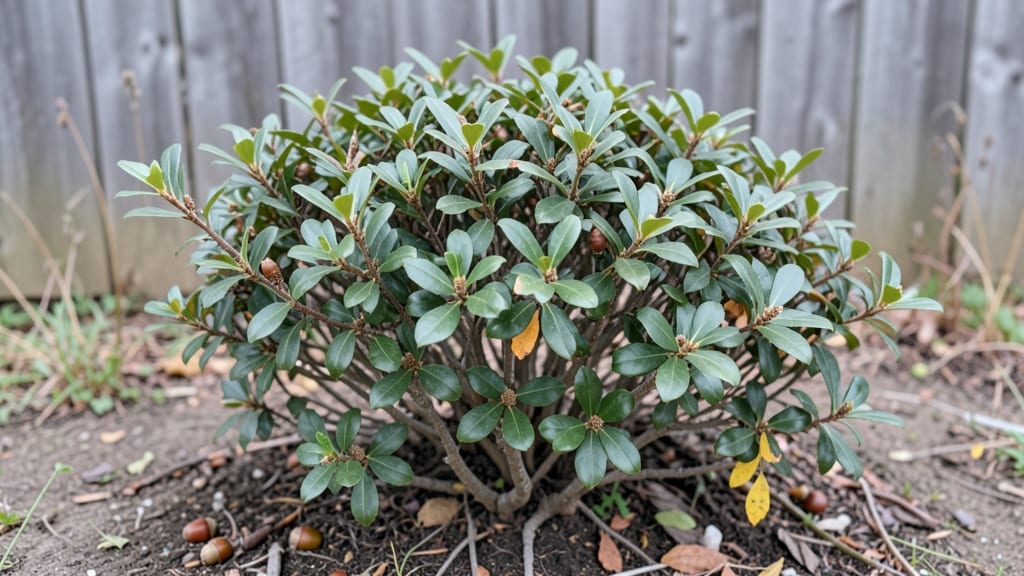
Finding a shrub with oak-like leaves that thrives in shade was the missing piece of my garden puzzle. 🌿 These lobed foliage beauties—like Fothergilla or Nothofagus—bring that bold, textured drama to shady spots where most plants struggle.
The first time I planted one, I couldn’t believe how it transformed a dull corner into a year-round statement piece.
What makes them special? Their leaves unfurl with that signature oak shape, turning brilliant colors in fall while keeping structure through winter. They’re low-maintenance too—no fussy soil needs, just a spot with dappled light or partial shade.
Perfect for hedges, focal points, or even container gardens where you want that architectural punch without the sun requirements.
You’ll love how they pair with hostas, ferns, and other shade lovers, creating layers of texture and color. Prune lightly in late winter to shape them, and watch them bounce back with fresh growth.
The best part? They stay interesting through all four seasons, giving you that "wow" factor without the upkeep.
Whether you’re filling a shady yard corner or adding height to a mixed border, these shrubs deliver that oak-leaf elegance with minimal effort. Let’s find the perfect one for your space!
Root Causes of Oak-Like Shrub Growth
If you’ve planted a shrub expecting lush, vibrant foliage only to find it developing leaves that resemble those of an oak tree—think lobed, jagged edges, and a rich green hue—you might be wondering why this transformation is happening.
While some shrubs naturally mimic oak leaves (like the Oakleaf Hydrangea or Oakleaf Maple), others may develop this trait due to genetic quirks, environmental influences, or even pruning habits.
Below, we break down the most common reasons behind this leafy metamorphosis, complete with actionable insights to help you encourage—or correct—the trend.
Some shrubs are hardwired to produce oak-like leaves as part of their species’ DNA. These plants have evolved to mimic the resilience and aesthetic appeal of oak trees, often thriving in similar conditions. For example:
- Oakleaf Hydrangea (Hydrangea quercifolia): This shrub is a masterclass in oak-like foliage, with large, lobed leaves that turn fiery red or orange in fall. Its genetic makeup ensures this trait, making it a favorite for shade gardens.
- Oakleaf Maple (Acer lobatum): Though technically a tree, its shrub-like cultivars (like ‘Crimson Spire’) boast deep lobes and a vibrant fall color palette, inherited directly from its ancestors.
- Smokebush (Cotinus coggygria): While its leaves are more rounded, some varieties (like ‘Royal Purple’) develop slightly serrated edges that can resemble youthful oak leaves.
What to do: If you love this look, embrace it! These shrubs are bred for their foliage, and their oak-like leaves are a desirable feature. No intervention is needed—just provide the right growing conditions (partial shade, well-draining soil) to let their genetics shine.
Some shrubs develop oak-like leaves due to intentional or accidental hybridization. Plant breeders often cross species to create hardier, more visually striking cultivars. For instance:
- A cross between a hydrangea and an oakleaf plant (like Hydrangea quercifolia hybrids) might produce offspring with exaggerated lobes or deeper serrations.
- Gardeners experimenting with root grafting (where two plants grow from a single root system) can result in unexpected leaf shapes, including oak-like patterns.
What to do: If you suspect hybridization is the cause, observe the shrub’s growth patterns. Hybrid plants may display inconsistent leaf shapes—some branches could have smooth edges, while others mimic oak. If you’re happy with the result, let it grow! If not, consider propagating cuttings from branches with the desired leaf shape to stabilize the trait.
Plants are resilient survivors, and sometimes they alter their leaf structure in response to environmental stressors. Oak-like leaves can emerge as a defensive or adaptive mechanism, such as:
- Increased Sun Exposure: Some shrubs (like Japanese Maple cultivars) develop deeper lobes when exposed to more direct sunlight. This is their way of reducing water loss—a trait shared with oak trees, which thrive in sunny, dry conditions.
- Poor Soil Conditions: Compacted, nutrient-poor, or alkaline soil can stunt normal leaf growth, causing edges to curl or develop serrations as the plant struggles to maximize photosynthesis. Oak trees often grow in well-draining, slightly acidic soil, so mimicking these conditions can trigger similar leaf adaptations.
- Temperature Fluctuations: Sudden cold snaps or heatwaves can stunt cell division in young leaves, leading to irregular, lobed shapes. This is more common in tender shrubs like Oakleaf Cotoneaster.
What to do: To encourage oak-like leaves through stress adaptation:
- 🌞 Move the shrub to a sunnier spot (if it’s currently in deep shade) or provide partial afternoon shade to mimic oak tree conditions.
- 🌱 Amend the soil with compost or peat moss to improve drainage and acidity (aim for a pH of 5.0–6.5 for oak-like shrubs).
- 🌡️ Protect from extreme temps with mulch or shade cloth during heatwaves or late frosts.
Warning: While mild stress can enhance oak-like traits, severe stress (like drought or root rot) can kill the plant. Monitor soil moisture and adjust care accordingly.
Believe it or not, how and when you prune can influence leaf shape. Aggressive or improper pruning can stimulate new growth with altered leaf structures, including oak-like lobes. Here’s how:
- Late-Winter Pruning: Cutting back too late (after buds have formed but before leaves emerge) can force rapid, irregular growth, leading to lobed or jagged leaves. This is common in hydrangeas and maples.
- Shearing Young Shrubs: Using hedge shears to shape a young shrub aggressively can stunt natural leaf development, causing edges to become uneven or serrated as the plant compensates for the stress.
- Removing Flowering Stems: Some shrubs (like Oakleaf Hydrangea) produce flowers on old wood. Pruning these stems too early can redirect energy into leaf growth, sometimes resulting in larger, more lobed leaves.
What to do: To encourage oak-like leaves through pruning:
- ⏰ Prune in early spring (just as new growth begins) to avoid disrupting bud formation.
- ✂️ Avoid shearing—use hand pruners to selectively shape the shrub, focusing on open-centered growth to mimic natural oak tree structure.
- 🌸 Wait until after flowering to prune shrubs like hydrangeas, ensuring you don’t remove next year’s blooms.
Pro Tip: If you want bigger, oak-like leaves, lightly pinch back the tips of young shoots in early summer. This triggers bushier growth with broader, more lobed foliage.
Understanding the why behind your shrub’s oak-like leaves empowers you to nurture or correct the trait intentionally. Whether it’s genetics, environment, or your green thumb at play, these insights will help you cultivate the perfect shade garden statement piece—year-round!
Revive Your Oak-Leaf Shrub
Reviving a shrub with oak-like leaves—whether it’s struggling with pests, disease, or environmental stress—starts with identifying the root cause and taking targeted action. Below are practical solutions tailored to common issues, along with prevention tips to keep your shrub thriving for years.
If you spot chewed leaves, sawdust-like frass, or tiny insects on stems, pests are likely the culprit.
🔥 Identify the Pest
- Aphids, Spider Mites, or Scale Insects? Look for sticky residue (honeydew) or fine webbing.
- Japanese Beetles or Caterpillars? Check for skeletonized leaves or large, shiny beetles.
- Borers? Tap on stems—if you hear a hollow sound, larvae may be tunneling inside.
🍳 Natural Remedies First
- Soap Spray: Mix 1 tbsp mild dish soap with 1 quart water in a spray bottle. Apply to undersides of leaves (where pests hide).
- Neem Oil: Dilute 1 tbsp neem oil + 1 tsp mild soap in 1 quart water.
Spray in the evening to avoid harming bees. - Beneficial Insects: Release ladybugs or lacewings—they eat pests naturally!
👨🍳 Chemical Options (If Needed)
- Use pyrethrin-based sprays (derived from chrysanthemums) for beetles or caterpillars.
- Systemic insecticides (like imidacloprid) for borers—apply to soil for root uptake.
✨ Prevention Tip: Encourage natural predators by planting dill, fennel, or marigolds nearby. Prune regularly to improve airflow and reduce hiding spots.
Yellowing, black spots, or oozing stems signal fungal/bacterial infections.
🔪 Prune Infected Areas
- Sterilize tools with rubbing alcohol between cuts.
- Remove all diseased leaves/stems—don’t compost them (dispose in sealed bags).
- Thin out dense foliage to improve airflow.
🥘 Fungal Treatment
- Copper fungicide (like Bordeaux mixture) for blight or leaf spot.
- Baking soda spray: Mix 1 tbsp baking soda + 1 tsp soap + 1 gallon water. Spray weekly.
- Organic options: Apply compost tea or trichoderma fungus (a beneficial soil microbe).
💡 Bacterial Fixes
- Copper-based bactericides (like fixed copper) for bacterial leaf spot.
- Hydrogen peroxide spray (3% solution, diluted 1:1 with water) to disinfect leaves.
🎯 Prevention Tip: Water at soil level (not overhead) to keep leaves dry. Mulch with wood chips (not fresh sawdust) to deter fungal spores.
Wilting, stunted growth, or yellowing leaves often point to poor soil or light conditions.
📊 Soil Solutions - Test your soil (pH 6.0–7.0 is ideal for oak-leaf shrubs).
Adjust with lime (to raise pH) or sulfur (to lower pH). - Amend with compost (2–3 inches mixed into topsoil) for nutrients. - Drainage check: If soil stays soggy, add perlite or sand to improve aeration.
☀️ Light & Water Adjustments
- Too much sun? Move to partial shade (4–6 hours of morning sun).
- Too little water? Water deeply 1–2x per week (drought-stressed shrubs wilt easily).
- Overwatering? Let soil dry between waterings—soggy roots rot quickly.
💡 Pro Tip: Oak-leaf shrubs (like Holly or Cotoneaster) prefer well-draining, slightly acidic soil. If yours is in heavy clay, consider raised beds or container growing.
| Season | Task | Why It Helps |
|---|---|---|
| Spring | Prune dead wood, fertilize | Encourages new growth before pests arrive. |
| Summer | Mulch, monitor watering | Retains moisture; prevents heat stress. |
| Fall | Rake fallen leaves (disease risk) | Reduces fungal overwintering. |
| Winter | Protect from frost (burlap wrap) | Shields tender new growth. |
Final Thought: Most shrub issues are preventable with consistent care. Act fast at the first sign of trouble—early intervention saves your plant! For stubborn problems, consult a local extension service for soil/pest-specific advice. 🌿
Frequently asked questions
Which shrubs have the most dramatic oak-like leaves?
For bold oak-inspired foliage, prioritize Oakleaf Hydrangea (Hydrangea quercifolia) with its lobed, maple-like leaves that blaze red in fall. Fothergilla varieties like 'Mount Airy' offer dense clusters of oak-shaped leaves that turn fiery orange. Smokebush ('Royal Purple') develops subtle serrations, while Oakleaf Maple ('Crimson Spire') delivers tree-like structure in compact form.
How do I encourage bigger oak-shaped leaves?
Pinch back young shoots in early summer to promote bushier growth with broader lobes. Provide partial shade (morning sun) and well-draining, acidic soil (pH 5.0–6.5). Avoid heavy nitrogen fertilizer—focus instead on organic matter like compost. Prune selectively in late winter to maintain an open center that mimics oak tree structure.
Can these shrubs survive in full shade?
Most oak-leaf shrubs tolerate partial shade (4–6 hours of filtered light daily). True full shade (no direct light) stresses them, causing sparse growth. Fothergilla and Oakleaf Hydrangea handle shade best, while Smokebush thrives with at least morning sun. Test your spot by observing how hostas grow—if they flourish, your oak-leaf shrub will too.
What's the best way to prune for that natural oak tree look?
Shape in late winter by removing dead wood and thinning crowded branches to create an open center. Avoid shearing—use hand pruners to mimic oak tree's irregular branching. For flowering shrubs like Oakleaf Hydrangea, wait until after blooms fade to prune. Leave some "character" branches to maintain that wild, natural silhouette.
Are there any deer-resistant oak-leaf shrubs?
While no oak-leaf shrub is completely deer-proof, Smokebush ('Royal Purple') and Fothergilla are less appealing than hydrangeas. For extra protection, plant near deer-deterrent herbs (like lavender or rosemary) or use repellent sprays. Physical barriers (like fencing) work best for high-traffic areas. Young plants are most vulnerable—consider temporary protection until established.