
Plants
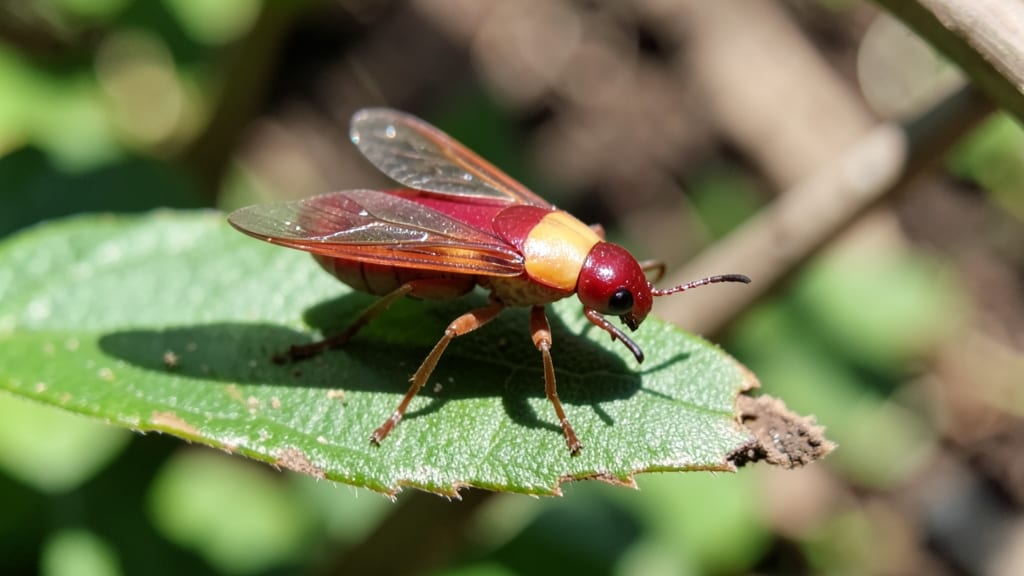
Scarlet plant bugs are the sneaky villains of your garden, draining life from tomatoes, peppers, and even your prized ornamentals. 🌱 I’ve watched them turn vibrant leaves into skeletal husks in just days—until I learned their telltale signs and how to outsmart them without harsh chemicals.
The key is acting fast, because these bugs multiply faster than weeds in spring rain.
These tiny red devils (about 1/4 inch long) hide under leaves, leaving behind silvery scars where they pierce plant tissue. Your tomatoes might start yellowing at the edges, or your peppers could develop strange dark spots.
The damage isn’t just cosmetic—it weakens plants, making them more vulnerable to disease. But here’s the good news: nature already has solutions built in.
Start with preventive measures like floating row covers or reflective mulch to disrupt their feeding patterns. Introduce their natural predators—birds, parasitic wasps, and even spiders—to create a balanced ecosystem.
For immediate relief, try neem oil sprays or insecticidal soap, but timing matters: apply them in the early morning or evening when bugs are active but before pollinators wake up.
Once you recognize their habits, you’ll spot them before they become a full-blown crisis. My garden stayed healthy all season after implementing these strategies—no more wilting plants or mysterious leaf damage. The secret? Vigilance and working with nature, not against it. Let’s get your garden back to thriving.
Why it happens
Scarlet plant bugs—those tiny, vibrant red-and-black pests—don’t just appear out of nowhere. They’re drawn to your garden by a mix of environmental cues, plant chemistry, and even human habits. Understanding why they strike is the first step to stopping them before they wreak havoc on your prized plants.
Let’s break down the science behind their behavior and how it leads to damaged foliage, stunted growth, and those telltale yellowing spots.
Scarlet plant bugs (also called Lygus lineolaris) are opportunistic feeders, meaning they target plants that are already stressed or compromised. Here’s why:
- Nutrient Deficiencies: Plants low in nitrogen or struggling with poor soil health produce softer, more tender leaves—an all-you-can-eat meal for bugs. Pro tip: Conduct a soil test to check pH and nutrient levels. Amend soil with compost or a balanced fertilizer (like 10-10-10) to toughen up your plants.
- Water Stress: Overwatered or underwatered plants release stress signals (like volatile organic compounds) that attract bugs. Scarlet plant bugs thrive on plants with wilting edges or dry, crispy leaves because their cells are easier to pierce with their stylets (mouthparts). Actionable fix: Water deeply but infrequently (1–1.5 inches per week) and ensure proper drainage.
- Young or New Growth: Bugs prefer tender, new shoots because they’re packed with sap and less protected by waxy cuticles. If you’ve recently pruned or transplanted plants, those fresh cuts are a neon “eat me” sign. Solution: Monitor new growth closely and use row covers temporarily to protect vulnerable areas.
Not all plants are equal in the eyes of scarlet plant bugs. These pests have a preference for certain plant families and compounds:
- Preferred Hosts: They adore solanaceous plants (tomatoes, peppers, eggplants, potatoes), legumes (beans, peas), and brassicaceae (cabbage, broccoli, kale). The bugs are drawn to alkaloids (like solanine in tomatoes) and glucosinolates (in brassicas), which they metabolize into less toxic forms. Workaround: Interplant with non-preferred hosts like basil, marigolds, or dill to disrupt their feeding patterns.
- Avoiding Toxic Plants: Scarlet plant bugs steer clear of plants with high tannin or essential oil content, such as mint, lavender, or citrus. These compounds irritate their digestive systems. Strategy: Create a “bug barrier” by planting these repellents around vulnerable crops.
- Flower Nectar: Adult bugs need protein, and they get it from open flowers. A garden blooming with aster, sunflower, or zinnia might attract beneficial predators (like lacewings), but it also lures more scarlet plant bugs. Balance tip: Remove spent flowers promptly and avoid planting large patches of bug-friendly blooms near your veggies.
Sometimes, the problem isn’t the bugs—it’s us. Unintentional gardening practices can turn your yard into a scarlet plant bug paradise:
- Overcrowded Plants: Dense foliage creates hidden microclimates with high humidity and poor airflow—perfect for bugs to hide and multiply. Fix: Thin out plants to improve circulation and reduce hiding spots.
- Mulch Piles and Debris: Leaves, grass clippings, and thick mulch provide ideal overwintering sites for bug eggs and adults. Cleanup tip: Rake up debris in fall and avoid mulching too heavily around susceptible plants.
- Ignoring Early Signs: Scarlet plant bugs lay eggs in spring, and nymphs (baby bugs) emerge hungry and aggressive. If you wait until you see skeletonized leaves (where only veins remain), the infestation is already established. Proactive move: Inspect undersides of leaves weekly starting in late April/May.
Scarlet plant bugs are cold-hardy but become most active under specific conditions:
| Weather Factor | Bug Behavior | Your Response |
|---|---|---|
| Warm, Dry Springs | Accelerates egg hatching and nymph development. Adults seek out water-stressed plants. | Use drip irrigation to keep soil moist without promoting fungal diseases. |
| Hot Afternoons (85°F+) | Bugs become less active but resume feeding at dawn/dusk. They also migrate to shaded areas. | Set up blue sticky traps near plants to catch migrating adults. |
| Humid Nights | High humidity softens plant tissue, making it easier for bugs to feed. They also lay more eggs in damp conditions. | Improve airflow with trellises or pruning to reduce humidity around plants. |
Quick Fixes for Garden Pests
Dealing with tiny invaders like the scarlet plant bug (Lygus lineolaris) can feel overwhelming, but the right approach keeps your garden thriving without harsh chemicals. Below, we’ve mapped out practical, step-by-step solutions tailored to the root causes of infestations—whether it’s early detection, manual removal, or long-term prevention.
Cause: Small populations go unnoticed until damage appears. Fix:
- Inspect plants weekly 👀—focus on new growth, buds, and undersides of leaves. Scarlet plant bugs are tiny (1/4 inch), flat, and red with white markings.
- Shake plants over a white tray 🥣: Bugs will scatter, making them easier to spot and count. If you see 5+ bugs, act fast.
- Handpick adults 🪰: Drop them into soapy water (1 tbsp dish soap + 1 gallon water) to kill them instantly.
Pro Tip: 💡 Use a 10x magnifying glass for close-ups—these pests are sneaky!
Cause: Bugs are drawn to tender new growth and sweet nectar. Fix:
- Yellow sticky traps 🎨: Place them near affected plants. Scarlet plant bugs are attracted to yellow and will get trapped.
- Neem oil spray 🌿: Mix 1 tbsp neem oil + 1 tsp mild soap + 1 quart water, then spray early morning or late evening (avoid direct sun). Reapply every 5–7 days.
- Diatomaceous earth (DE) 🏖️: Sprinkle food-grade DE around plant bases (but not on leaves—it can harm beneficial insects). Reapply after rain.
Warning: ⚠️ Avoid DE on windy days—it can drift and harm pollinators.
Cause: Large populations cause stunted growth, deformed flowers, or wilting. Fix:
- Pyrethrin spray 🔥: Derived from chrysanthemums, this fast-acting spray kills on contact. Mix 1 tsp pyrethrin concentrate + 1 quart water + 1 tsp soap. Spray evenly and repeat in 3–5 days.
- Kaolin clay spray 🏺: Creates a physical barrier that bugs dislike. Mix 2 tbsp Surround WP (kaolin clay) + 1 gallon water, then spray all plant surfaces. Reapply after rain.
Pro Tip: 🌡️ Spray in the early morning—cooler temps reduce plant stress from treatments.
Cause: Recurring infestations mean your garden is a bug buffet. Fix:
- Remove debris and weeds 🧹: Bugs hide in dead leaves and dandelions. Keep your garden clean and mulched.
- Encourage predators 🐞: Ladybugs, lacewings, and parasitic wasps eat scarlet plant bugs. Plant dill, fennel, or yarrow to attract them.
- Rotate crops 🌿: If bugs target specific plants (like tomatoes or beans), avoid planting the same family in the same spot next season.
- Use row covers 🛡️: For high-value crops, cover young plants with fine mesh netting to block bugs entirely.
Pro Tip: ✨ Plant basil near tomatoes—its scent repels scarlet plant bugs naturally!
Final Reminder: Consistency is key! Check plants daily during outbreaks, and combine 2–3 methods for best results. With these steps, your garden will stay bug-free and bountiful—without chemicals! 🌱💚
Frequently asked questions
What do scarlet plant bugs look like, and how can I tell them apart from other garden pests?
These tiny invaders are about 1/4 inch long, with a distinctive bright red body and white markings along their edges. Unlike aphids (which cluster in groups), they’re solitary and flat, allowing them to hide under leaves. Nymphs are paler yellowish-red. Compare them to lygus bugs—they’re similar but lack the white markings.
Which plants are most vulnerable to scarlet plant bug damage?
They love tomatoes, peppers, beans, and brassicas (like cabbage or broccoli). Look for yellowing leaves with silvery scars, stunted growth, or deformed flowers. Ornamental plants like petunias and snapdragons are also at risk—they’ll develop crinkled or distorted foliage.
Can I use homemade sprays to control scarlet plant bugs?
Yes! Try a neem oil spray (1 tbsp neem oil + 1 tsp soap + 1 quart water) or garlic spray (blend 2 cloves garlic + 1 quart water, strain, and add 1 tsp soap). Spray early morning or evening to avoid harming bees. Reapply every 5–7 days for best results.
Why do scarlet plant bugs keep coming back even after treatment?
They reproduce quickly—females lay hundreds of eggs in soil or plant debris. If you don’t remove hiding spots (like dead leaves or weeds), new nymphs will emerge. Combine treatments (like neem oil + sticky traps) and clean up garden debris to break their life cycle.
Are scarlet plant bugs harmful to humans or pets?
No, they’re plant feeders only and don’t bite humans or pets. However, their saliva can cause skin irritation in sensitive individuals if handled directly. Always wear gloves when removing them manually.