
Shrubs
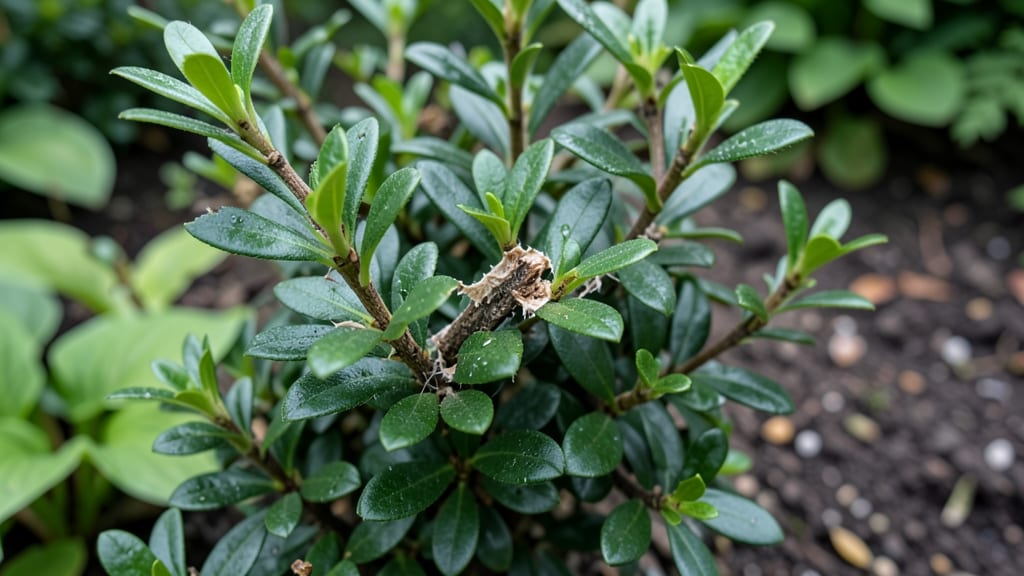
Rabbit damage to shrubs 🌿 can turn your hard work into a chewed-up mess overnight, leaving you frustrated and wondering what went wrong.
Picture this: you step outside after a quiet evening, only to find your carefully pruned shrubs stripped down to the stems. Rabbits are sneaky, and their appetite for tender young growth means they’ll happily munch through your landscape if given the chance.
But here’s the good news: with the right strategies, you can outsmart these furry pests and protect your shrubs without resorting to harsh chemicals. From natural repellents to smart planting choices, I’ll walk you through the most effective methods to keep your garden looking its best.
Whether you’re dealing with a sudden outbreak or just want to prevent future damage, these proven techniques will give your shrubs the defense they need to thrive in your Zone 6a garden.
How rabbits damage shrubs and what to look for
Rabbits are notorious for transforming lush shrubs into skeletal remains with just a few bites. Their selective feeding habits target tender new growth, leaving behind jagged edges and uneven nibbling patterns that are unmistakable.
Unlike deer, which often tear leaves completely, rabbits prefer to clip foliage cleanly at a 45-degree angle, creating a signature look.
Young shrubs are especially vulnerable because their thin bark and delicate stems offer little resistance. Even mature shrubs can suffer severe damage if rabbits target them repeatedly during spring and fall, their peak feeding seasons.
Understanding these patterns helps you assess risk levels in your garden and take proactive measures.
Visual identification is key to confirming rabbit damage. Look for clean-cut edges on leaves and stems, often 1-2 inches above the ground—this is where rabbits reach most easily. Their teeth leave tiny grooves along the edges of chewed foliage, unlike the rough tearing caused by insects or larger animals.
Another telltale sign is fecal pellets near damaged plants. Rabbit droppings are small, round, and dark brown, often found in clusters along garden paths or near shrubs. These clues help you pinpoint active feeding zones and focus your protection efforts where they’re needed most.
Seasonal trends play a huge role in rabbit behavior. They become most active during dawn and dusk, especially in late winter through early spring when fresh shoots emerge. In fall, they seek out nutrient-rich foliage to prepare for winter. Recognizing these patterns helps you time your deterrents effectively.
Certain shrubs are high-risk targets because of their tender leaves or aromatic compounds that attract rabbits. Boxwood, lilac, and rose bushes are particularly vulnerable, while thorny or strongly scented varieties like barberry or Russian olive often deter them naturally. Knowing which plants are at risk helps you prioritize protection.
Now let’s break down the key visual damage indicators and seasonal attack trends in this summary table for quick reference:
| Damage Type | Visual Clues | Seasonal Peak | High-Risk Shrubs |
|---|---|---|---|
| Leaf Damage | Clean 45° cuts, jagged edges, tiny grooves | Spring/Fall | Boxwood, Lilac, Hydrangea |
| Bark Stripping | Gnawed stems, exposed cambium layer | Winter (food scarce) | Young Trees, Rose Canes |
| Fecal Pellets | Small, round, dark brown clusters | Year-round near feeding zones | All shrubs (confirmation) |
| Root Damage | Wilted plants, uprooted seedlings | Spring (new growth) | Herbaceous perennials |
| Nighttime Activity | Fresh damage at dawn, tracks in dew | All seasons (crepuscular) | Ground-level shrubs |
If you spot these damage patterns, act quickly—rabbits often return to the same plants night after night. Physical barriers like chicken wire or commercial shrub guards can create an immediate shield, while natural repellents like garlic or predator urine (coyote or fox) deter them from returning.
For high-value shrubs, consider wrapping tree guards around trunks to protect young bark from gnawing. Even a 3-foot-high fence buried 6 inches deep can prevent rabbits from tunneling underneath. The key is combining visual deterrents with physical protection for maximum effectiveness.
Monitor your garden regularly, especially after heavy rains or snowmelt, when rabbits become more active searching for food. By staying one step ahead of their feeding patterns, you can preserve your shrubs and enjoy a rabbit-free landscape all season long.
Top 5 natural rabbit repellents that actually work
Rabbits have a voracious appetite for tender shrub foliage, often targeting young plants and newly planted shrubs. The good news? You don’t need harsh chemicals to keep them away.
These natural repellents are proven to deter rabbits while keeping your garden safe and eco-friendly. Let’s explore the most effective solutions, ranked by their success rates and ease of use.
Before diving into repellents, it’s important to understand that rabbits are most active at dawn and dusk, when they forage for fresh greens. This means your repellents need to be reapplied regularly—especially after rain—to maintain their effectiveness. The key is combining multiple methods for the best protection.
My top recommendation is commercial predator urine repellents, like those made from fox or coyote urine. These sprays mimic natural predator scents and create an instant deterrent. A single application around the base of your shrubs can last 2-4 weeks, making it a low-maintenance option.
For best results, spray in the early evening when rabbits are most active.
If you prefer a homemade solution, a garlic and hot pepper spray is incredibly effective. Blend 1/2 cup of garlic cloves and 1/4 cup of hot peppers with a gallon of water, then strain and add a drop of dish soap as a surfactant.
Spray this mixture directly on shrubs and the surrounding soil. The strong scent confuses rabbits, and the capsaicin in peppers irritates their sensitive noses. Reapply every 7-10 days or after rain.
For a physical barrier, consider wrapping the lower 18-24 inches of shrubs with hardware cloth (not chicken wire—rabbits can chew through it!). This method is especially useful for young or newly planted shrubs.
Bury the bottom of the barrier 6 inches deep to prevent rabbits from digging underneath. Pair this with a mulch ring of gravel or coarse wood chips to further discourage digging.
Planting rabbit-resistant shrubs is another smart long-term strategy. Varieties like boxwood, holly, or Russian olive are less appealing to rabbits due to their tough leaves or bitter taste. If you’re starting from scratch, opt for these shrubs near high-risk areas.
Even if you can’t replant, interplanting marigolds or lavender around your shrubs can mask their scent and deter rabbits naturally.
Finally, don’t underestimate the power of motion-activated sprinklers. These devices detect movement and release a gentle burst of water, startling rabbits without harming them. They’re perfect for larger garden areas and require minimal maintenance.
Place them near your shrubs and set them to activate at dawn and dusk for maximum effectiveness.