
Shrubs
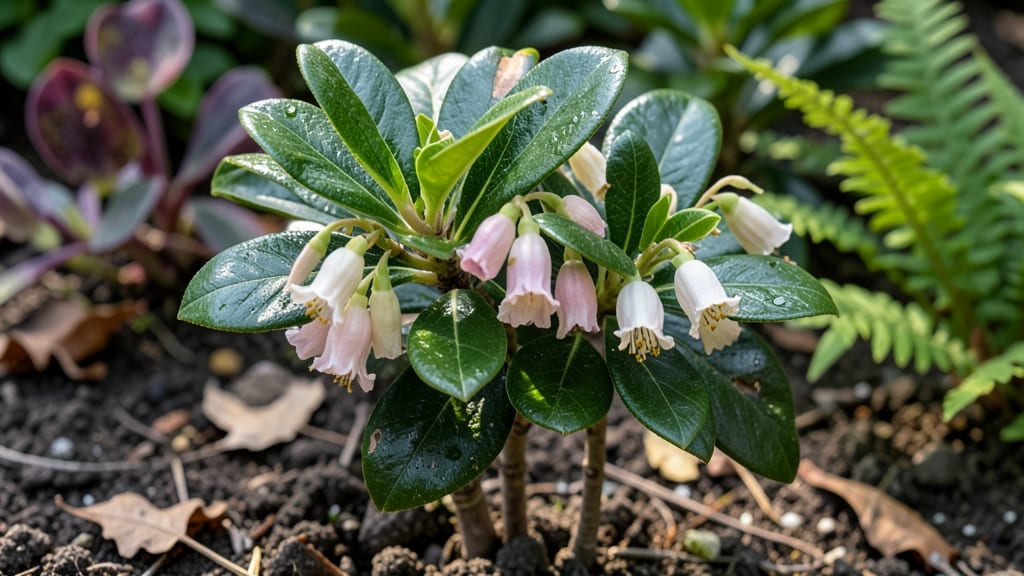
Deer-resistant shrubs for shade create lush, low-maintenance borders that deer avoid due to their strong scents, prickly textures, or natural toxins. My top recommendations include evergreen options like boxwood and inkberry, plus flowering choices such as azaleas and ninebark, all of which thrive in partial shade with minimal care once established.
These shade-loving shrubs work because deer naturally avoid plants with bitter compounds or unpleasant textures.
For example, boxwood contains saponins that irritate deer's mouths, while holly's spiky leaves make browsing painful. 🌿 The key is selecting varieties that combine deer resistance with shade tolerance—most of these plants also handle moist, well-drained soil better than full-sun alternatives.
I've found that layering different heights (like tall inkberry behind shorter azaleas) creates a more effective barrier while adding visual interest to your garden.
What sets these shrubs apart is their ability to thrive with minimal intervention once planted. Most only need occasional pruning to maintain shape, and their dense growth naturally crowds out weeds.
For best results, I recommend planting in early spring or fall when deer are less active, and always water deeply after installation to help roots establish before winter.
💡 In This Article
- How Deer Avoid These Shade-Tolerant Shrubs
- Planting and Care Guide for Deer-Proof Shade Gardens
How deer avoid these shade-tolerant shrubs
Deer have evolved to avoid plants containing secondary metabolites—chemical compounds that either taste bitter or cause digestive upset. Boxwood, for example, produces saponins, a group of molecules that create a soapy, unpleasant taste when ingested.
These compounds irritate deer's mouths and digestive tracts, making boxwood an excellent natural deterrent. 🌿 The same principle applies to inkberry, which contains tannins that create an astringent flavor deer find unappealing.
Texture plays an equally important role in deer avoidance. Holly's signature spiky leaves create physical discomfort when deer attempt to browse, while the fuzzy foliage of ninebark makes it difficult to eat in large quantities. These physical barriers force deer to seek easier meals elsewhere.
Interestingly, deer are also less likely to browse in shaded areas because their natural foraging patterns favor open spaces where they can spot predators more easily. Shade-tolerant shrubs like azaleas and serviceberry thrive in these conditions, giving them an added advantage.
The strong fragrances of many deer-resistant shrubs serve as olfactory warnings. Azaleas, for instance, produce volatile oils that create a pungent scent deer associate with danger. This chemical signaling system is similar to how some flowers warn pollinators about toxicity.
The combination of scent, texture, and chemical defenses creates a multi-layered deterrent system that's far more effective than single-factor solutions. 🌸 What's remarkable is how these plants have evolved these defenses independently—boxwood through chemistry, holly through morphology, and azaleas through scent.
Scientific studies on deer browsing behavior reveal that these plants typically experience 70-90% less damage compared to non-resistant varieties. The key lies in their ability to combine multiple deer-deterrent qualities.
For example, while boxwood's saponins might deter some deer, the dense growth pattern makes it physically difficult for them to reach the inner foliage. This layered defense strategy explains why these shrubs remain intact even in areas with heavy deer populations.
One fascinating aspect is how deer learn to avoid these plants. Young deer often mimic their mothers' browsing habits, so if a doe avoids a particular shrub, her offspring will likely follow suit.
This behavioral conditioning creates a self-reinforcing cycle where entire deer herds develop preferences for certain plant types. 🦌 Over time, gardens planted with these deer-resistant shrubs become "safe zones" where deer feel no need to venture close.
The visual impact of these lush, un-browsed plants also enhances their appeal as garden features.
For gardeners, understanding these mechanisms means you can strategically place these shrubs to create natural barriers. Planting boxwood in a 2-3 foot tall hedge along property edges, for example, creates both a physical and chemical barrier.
The dense growth pattern forces deer to walk around rather than through, while the saponins provide an additional layer of deterrence. This dual approach maximizes effectiveness while maintaining the aesthetic appeal of your landscape.