
Shrubs
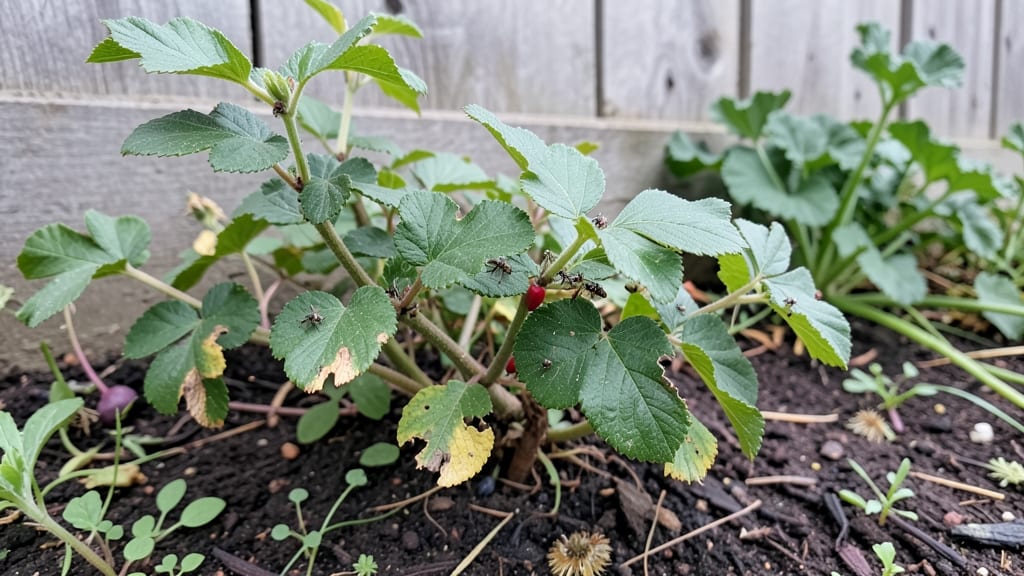
Flies on shrubs turn your green haven into a buzzing battleground. 🌿 I’ve watched fungus gnats swarm my roses and leafminers skeletonize boxwoods—both problems that feel impossible to stop without harsh sprays. The good news? You don’t need chemicals to reclaim your plants.
Most of these pests arrive because your shrubs are stressed—too much shade, overwatering, or crowded roots. Fungus gnats love damp soil, while leafminers target weak foliage. The key is fixing the environment first: improve airflow, adjust watering, and boost plant health. Once you do, the flies lose their foothold.
You’ll see results within days of switching to natural controls—soapy water sprays, neem oil, or introducing beneficial nematodes. Your shrubs will rebound with stronger growth, and the flies? They’ll move on to easier targets. This works for roses, boxwoods, and even your prized hydrangeas.
No more guessing what’s wrong or spraying toxic chemicals. Let’s get your shrubs back to their best—naturally. The first step is identifying which fly you’re dealing with, and I’ve got you covered there.
The Hidden Lures Behind Fly Infestations
Flies buzzing around your shrubs aren’t just a nuisance—they’re drawn by specific triggers in your garden’s ecosystem. Understanding these causes helps you address the root problem naturally. Here’s why these pests keep returning to your green spaces.
Flies, especially fruit flies and drain flies, are attracted to rotting organic material. Shrubs with overripe berries, fallen leaves, or decomposing mulch create the perfect breeding ground. These flies lay eggs in moist, fermenting debris, leading to rapid infestations.
Why it happens:
- Sugar-rich decay: Rotting fruit or fallen petals release ethanol and organic acids, mimicking the scent of fermenting food—an irresistible signal to flies.
- Moisture buildup: Decaying matter retains water, creating ideal conditions for fly larvae to thrive.
- Lack of cleanup: Neglected pruning or leaf litter piles accelerate decomposition, amplifying the problem.
Actionable fix: 🔥 Remove debris promptly: Collect fallen leaves, prune dead branches, and clear mulch buildup around shrubs. Compost healthy plant material separately to avoid attracting flies.
Soggy soil is a magnet for fungus gnats and drain flies, which thrive in damp, anaerobic conditions. Overwatering, poor drainage, or heavy rainfall can turn your shrub’s root zone into a fly nursery.
Why it happens:
- Oxygen depletion: Waterlogged soil lacks aeration, forcing flies to lay eggs in the upper layers where larvae can survive.
- Algal blooms: Moisture encourages algae and bacteria growth, which emit odors that attract flies.
- Root rot signals: Stressed plants release volatile compounds that flies detect as distress cues.
Actionable fix: 🌡️ Improve drainage:
- Amend soil with perlite or sand to enhance aeration.
- Water deeply but less frequently to avoid saturation.
- Use saucers under pots to catch excess water.
Some flies, like picture-winged flies, are drawn to the sugary sap of stressed or wounded shrubs. Aphids, scale insects, or even pruning cuts can trigger sap flow, creating a sticky fly trap.
Why it happens:
- Plant stress signals: Damaged shrubs produce excess sugars in their sap as a defensive response, which flies detect as a food source.
- Aphid honeydew: These pests excrete sticky residue that ferments, attracting flies within hours.
- Floral nectar: Blooming shrubs may lure pollinating flies, which can then become pests if populations explode.
Actionable fix: 🎯 Reduce sap flow:
- Prune shrubs in dry conditions to minimize sap exposure.
- Apply horticultural oil to control aphids and scale before they produce honeydew.
- Install yellow sticky traps away from shrubs to catch adult flies.
Many fly species lay eggs in soil where larvae can feed on organic matter, fungi, or even roots. Shrubs with rich, undisturbed soil (like mulched beds) become prime real estate for root-knot nematodes and soil-dwelling maggots.
Why it happens:
- High organic content: Compost or manure in soil provides a buffet for fly larvae, which burrow to feed.
- Fungal growth: Damp soil fosters fungi, a food source for fungus gnat larvae.
- Root damage: Weakened roots release nutrients that attract flies seeking to lay eggs.
Actionable fix: ✨ Disrupt larval habitats:
- Apply a thin layer of diatomaceous earth (food-grade) around shrubs to dehydrate larvae.
- Use beneficial nematodes (Steinernema feltiae) to target fly grubs naturally.
- Rotate mulch types (e.g., switch from wood chips to straw) to reduce organic buildup.
By tackling these root causes, you’ll break the cycle of fly infestations without resorting to harsh chemicals. The key? Prevention through observation—regularly inspect your shrubs for early signs of decay, moisture issues, or pest activity.
Natural Ways to Banish Shrub Invaders
Flies and other pests on your shrubs aren’t just annoying—they can weaken your plants over time. The good news? You can tackle the problem without harsh chemicals.
Below, we’ve broken down the most common causes of fly infestations on shrubs and matched them with easy, effective solutions—plus prevention tips to keep your greenery thriving.
Fungus gnats love moist soil and thrive near overwatered shrubs. These tiny black flies may seem harmless, but their larvae can damage roots.
How to Fix It:
- 🔥 Set up DIY traps – Fill a shallow container with soapy water and a splash of apple cider vinegar. The flies will drown within hours.
- 🍳 Adjust watering habits – Let the top 1–2 inches of soil dry out between waterings. Use a moisture meter if needed!
- 👨🍳 Add beneficial nematodes – These microscopic predators (like Steinernema feltiae) hunt gnat larvae naturally. Mix them into the soil and water as directed.
- 🌱 Use sand or perlite – Amend heavy soil with coarse sand or perlite to improve drainage and deter gnats.
💡 Pro Tip: If your shrubs are potted, elevate them slightly to prevent water pooling at the base.
Fruit flies and aphids are drawn to rotting fruit, sap, or sticky honeydew left by other pests. If you spot these flies buzzing around your shrubs, act fast.
How to Fix It:
- 🍎 Remove fallen fruit & debris – Clear away overripe berries, dropped leaves, or mulch piles where flies lay eggs.
- 🥘 Spray with neem oil – Mix 1 tbsp neem oil with 1 quart of water and a drop of dish soap. Spray foliage (especially undersides of leaves) every 5–7 days.
- 🔪 Introduce predator insects – Ladybugs, lacewings, and parasitic wasps eat aphids and fruit fly larvae. Buy them online or attract them with native plants like dill or yarrow.
- 🌡️ Use yellow sticky traps – Hang bright yellow cards coated with non-toxic glue near infested shrubs to catch adult flies.
✨ Prevention Hack: Wrap the base of shrubs with copper tape—it creates a mild electric barrier that deters crawling insects.
Whiteflies and scale insects suck sap, leaving behind a sticky residue that attracts other pests (including flies). These pests are stubborn but beatable with manual removal.
How to Fix It:
- 🔪 Prune heavily infested branches – Snip off and dispose of (don’t compost!) severely affected leaves. Seal the cuts with pruning paint.
- 👨🍳 Blast them off with water – Use a strong spray nozzle to dislodge adults and nymphs from leaves. Do this in the early morning for best results.
- 🥘 Apply insecticidal soap – Mix 2 tbsp castile soap with 1 quart of water and spray directly on pests. Reapply every 3–4 days until gone.
- 🌱 Introduce parasitic wasps – Species like Encarsia formosa target whiteflies. Order them from garden centers or online.
🎯 Long-Term Fix: Keep shrubs well-pruned to improve airflow—pests hate dry, airy conditions!
The best defense? A strong, balanced shrub that pests avoid. Here’s how to make your greenery fly-proof:
- 💪 Boost plant health – Feed with compost tea or a balanced organic fertilizer (like fish emulsion) to encourage robust growth. - 🌿 Choose resistant varieties – Some shrubs (like boxwood or abelia) are less attractive to flies.
Check with local nurseries for fly-resistant options. - 🍃 Mulch strategically – Use cedar chips or pine needles (natural pest repellents) instead of wood chips, which can trap moisture. - 🌡️ Rotate plants annually – If flies are a recurring issue, move shrubs to a sunnier or windier spot each year to break pest cycles.
Final Reminder: Consistency is key! Check your shrubs weekly for early signs of flies or damage. The sooner you act, the easier it is to keep them pest-free naturally. 🌿✨
Frequently asked questions
Why do I see tiny black flies hovering around my shrubs?
Those are likely fungus gnats, which thrive in damp, organic-rich soil. Their larvae feed on fungal threads and plant roots, often appearing after overwatering or poor drainage. Check for soggy soil—if it stays wet for more than 24 hours, you’re creating the perfect breeding ground.
Can I use vinegar to get rid of flies on my shrubs?
Yes, but use it strategically! Mix 1 part vinegar to 3 parts water and spray directly on adult flies (they’ll avoid the smell). For larvae in soil, apply apple cider vinegar to DIY traps instead—it lures them in. Avoid spraying foliage heavily, as vinegar can burn leaves.
Will neem oil harm beneficial insects like bees?
Neem oil is generally safe for bees when used correctly, but apply it only at dusk or dawn when pollinators are least active. Avoid spraying flowers directly, and opt for cold-pressed neem oil (less toxic than refined versions). Always dilute it with water (1 tbsp per quart) and add a drop of soap to help it stick.
How long does it take to see results from natural treatments?
Most methods show improvement within 3-7 days, but consistency is key. Fungus gnat traps may reduce adults in 24 hours, while neem oil or nematodes take 1-2 weeks to fully eliminate larvae. Monitor your shrubs weekly and reapply treatments if flies return. Patience pays off—your plants will thank you!