
Shrubs
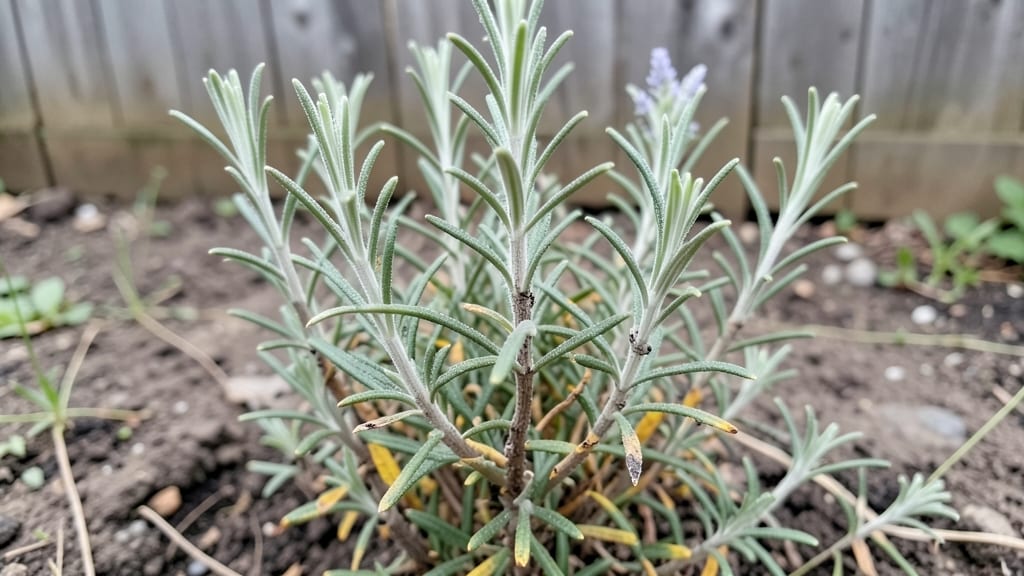
Growing rosemary as a shrub means you’ll never need to buy it again—its needle-like leaves pack more flavor than store-bought bundles, and the scent alone makes it worth the effort. 🌿 I’ve turned mine into a fragrant, evergreen centerpiece that stays lush through winter, even in Zone 5 where frost would kill most herbs.
The secret lies in treating it like a small tree: full sun, well-draining soil, and pruning to encourage bushiness rather than letting it grow leggy. Most people overwater or prune too late, which leads to woody stems and sparse foliage.
With the right care, your rosemary will grow 3–5 feet tall and wide, producing fresh sprigs for cooking year-round.
By summer, you’ll be snipping stems for roasted potatoes and garnishes while admiring its silvery-green foliage and delicate blue flowers. The shrub form also makes it a standout in containers or as a low-maintenance hedge—just avoid heavy clay soil and you’re golden.
Even in cold climates, a thick mulch layer keeps roots protected, and pruning in early spring encourages vigorous new growth. Whether you’re a beginner or a seasoned gardener, this shrub delivers both beauty and flavor with almost no effort after the initial setup.
📚 In This Guide
- What you need
- Instructions
- Tips and common mistakes
- Wrapping up and next steps
What you need
- ● Rosemary plants: 1–3 healthy nursery-grown rosemary shrubs (choose Rosmarinus officinalis for best results).
- ● Well-draining soil: 5–10 gallons of a mix like cactus/succulent blend or 50% potting soil + 50% perlite/sand.
- ● Containers (if needed): 1–2 large pots (12–18 inches deep) with drainage holes for each plant.
- ● Fertilizer: A low-nitrogen, balanced fertilizer (e.g., 5-5-5 or organic compost) for slow feeding.
- ● Mulch: 1–2 inches of gravel or pine bark to retain moisture and deter weeds.
- ● Gloves & trowel: For planting and soil handling.
- ● Pruning shears: Sharp, clean shears for trimming (sterilize with rubbing alcohol!).
- ● Watering can or hose: With a gentle spray nozzle to avoid damaging stems.
- ● Sunlight access: A full-sun spot (6+ hours/day)—rosemary thrives outdoors but can adapt indoors near a sunny window.
- ○ Optional: Trellis or stakes for upright varieties (e.g., Rosmarinus officinalis ‘Tuscan Blue’).
- ● Slow-release fertilizer tablets for hassle-free feeding.
- ● Humidity tray (for indoor growers in dry climates).
How to grow rosemary as a fragrant, year-round shrub
Turn that hardy herb into a lush, evergreen shrub with these simple steps.
🌱 Step 1: Choose the Perfect Location for Sun and Drainage
Rosemary thrives in full sun—at least 6-8 hours daily. Find a spot where it gets morning sunlight and afternoon shade if you live in a hot climate. I always check for well-draining soil first; rosemary hates soggy roots. If your garden soil is heavy, mix in 1 part sand or gravel to 3 parts soil.
Dig a hole twice as wide as the root ball but only as deep. This encourages roots to spread horizontally, creating a bushier shrub. Gently loosen the roots if they're circling—just tease them apart with your fingers. The key is getting it planted at the same depth it was in its container.
💧 Step 2: Water Deeply but Infrequently
Water your rosemary deeply once a week during the first year to establish strong roots. You'll know it's time when the top 2-3 inches of soil feel dry. Overwatering is the fastest way to kill rosemary—it's drought-tolerant once established, so let the soil dry completely between waterings. I always water at the base, avoiding the foliage to prevent fungal issues.
After the first year, you can cut back to watering every 2-3 weeks, unless you're in extreme heat or drought. Mulch around the base with 1-2 inches of gravel or wood chips to help retain moisture and keep roots cool. Watch for yellowing leaves—they're a sign of overwatering, while crispy edges mean it's thirsty.
✂️ Step 3: Prune for Shape and Health
Prune your rosemary in early spring before new growth begins. Use clean, sharp pruners to trim back about one-third of the plant's height. This encourages bushier growth and prevents woody stems. I always cut just above a leaf node—never leave stubs. You'll see new shoots emerge within 2-3 weeks.
Shape your shrub by trimming the outer branches to create a rounded form. Remove any dead or diseased branches immediately. For culinary use, harvest sprigs from the top third of the plant to keep the lower branches full. Never prune more than one-third at a time—this keeps the plant healthy and prevents shock.
☀️ Step 4: Protect in Winter for Year-Round Growth
Rosemary is evergreen but can suffer in freezing temperatures below 15°F. If you live in a cold climate, protect your shrub by wrapping it in burlap or frost cloth once temperatures drop below 25°F. I always leave the top uncovered so it can still get sunlight. Water sparingly in winter—only when the soil is completely dry.
In spring, remove the protection and trim back any frost-damaged branches. You'll notice new growth within 4-6 weeks as the plant recovers. If your rosemary looks leggy after winter, a light pruning in early spring will encourage fresh, compact growth. With proper care, your shrub will stay lush and fragrant year after year.
Tips & tricks for perfect rosemary shrubs
Here's what nobody tells you—these small details make all the difference between a struggling herb and a thriving, fragrant shrub.
Location is Everything: That 6-8 hours of sunlight in Step 1 is non-negotiable, but here's the thing: morning sun is more important than afternoon. I've seen rosemary plants in hot afternoons wither when moved to morning sun—it's like giving them a second chance. Also, if your soil drains poorly, add that sand or gravel mix right into the planting hole, not just around it. This creates better drainage from day one.
Watering Wisdom: The once-a-week rule in Step 2 works best with a moisture meter. Stick it in the soil—if it reads dry at 2-3 inches down, that's your cue. I've ruined plants by watering on schedule without checking, especially in clay soil. For containers, you'll need to water more frequently since they dry out faster. And always water at the base—wet leaves invite fungal problems.
Pruning Payoff: When you trim back one-third of the plant in Step 3, focus on the oldest growth first. The new shoots that appear in 2-3 weeks will be the most flavorful for cooking. I like to prune again in mid-summer to keep the shape compact. Just remember: you can't prune too much in spring, but you can't prune too little in summer—it's all about balance.
Winter Survival Strategy: That 25°F threshold in Step 4 is your warning line. I've seen rosemary survive overnight dips to 15°F if it's healthy, but consistent temps below that need protection. For extra insurance, wrap the burlap loosely—too tight and you trap moisture. And here's a pro move: add a layer of straw mulch around the base before winter for added insulation. Your plant will thank you with lush new growth in spring.
Pro Tips for Rosemary As A Shrub
- Here's what nobody tells you—these small details make all the difference between a struggling herb and a thriving, fragrant shrub.
- Location is Everything: That 6-8 hours of sunlight in Step 1 is non-negotiable, but here's the thing: morning sun is more important than afternoon.
- Watering Wisdom: The once-a-week rule in Step 2 works best with a moisture meter.
Frequently asked questions
How fast does rosemary grow as a shrub?
Rosemary grows at a moderate pace—typically 6 to 12 inches per year. With ideal conditions (full sun, well-draining soil, and occasional pruning), it can reach 3 to 6 feet tall within 3–5 years. Dwarf varieties grow slower, staying compact (1–2 feet). Patience is key—let it establish roots before expecting rapid growth!
Can rosemary survive winter as a shrub?
Yes! Rosemary is hardy in USDA Zones 7–10 and thrives year-round in mild climates. In colder zones (below 20°F), mulch the base with straw or pine needles and wrap young plants in burlap. Evergreen varieties like 'Arp' tolerate frost better than tender types. Prune back dead growth in spring to encourage new growth.
How do I prune rosemary to keep it bushy?
Prune rosemary after flowering (late spring/early summer) to shape it. Use clean shears to trim 1/3 of the plant’s height, focusing on leggy stems. Avoid cutting into woody growth—this can kill the shrub. For a hedge, prune lightly every 4–6 weeks. Pro tip: Never prune in fall—it reduces winter hardiness!
Why is my rosemary turning brown or crispy?
Brown, crispy leaves usually signal overwatering, underwatering, or poor drainage. Rosemary hates soggy soil—let the top 1–2 inches dry out between waterings. If the soil is too dense, amend with sand or gravel. Yellowing leaves may indicate nutrient deficiency (try a balanced fertilizer in spring). Fix it: Adjust watering and check soil drainage immediately!
Can I use rosemary from my shrub directly in cooking?
Fresh rosemary from your shrub is flavor-packed and best for cooking. Strip leaves from woody stems (avoid thick, brown stems) and use 1–2 sprigs per dish (or 1 tsp chopped leaves). For long-term storage, dry sprigs in a dark, airy place or freeze in olive oil. Bonus: Infuse rosemary into honey or vinegar for homemade gifts!
Wrapping up and next steps
Rosemary isn’t just a shrub—it’s a versatile, fragrant, and low-maintenance powerhouse that brings beauty, flavor, and even health benefits to your garden and kitchen.
Whether you’re growing it for its aromatic leaves, culinary uses, or ornamental appeal, this hardy plant thrives with minimal effort, making it perfect for both beginners and seasoned gardeners. 🌿
Now that you’re armed with the know-how, why not take the next step? Plant your own rosemary shrub this weekend—your senses (and your meals!) will thank you. Happy growing! 🌱