
Shrubs
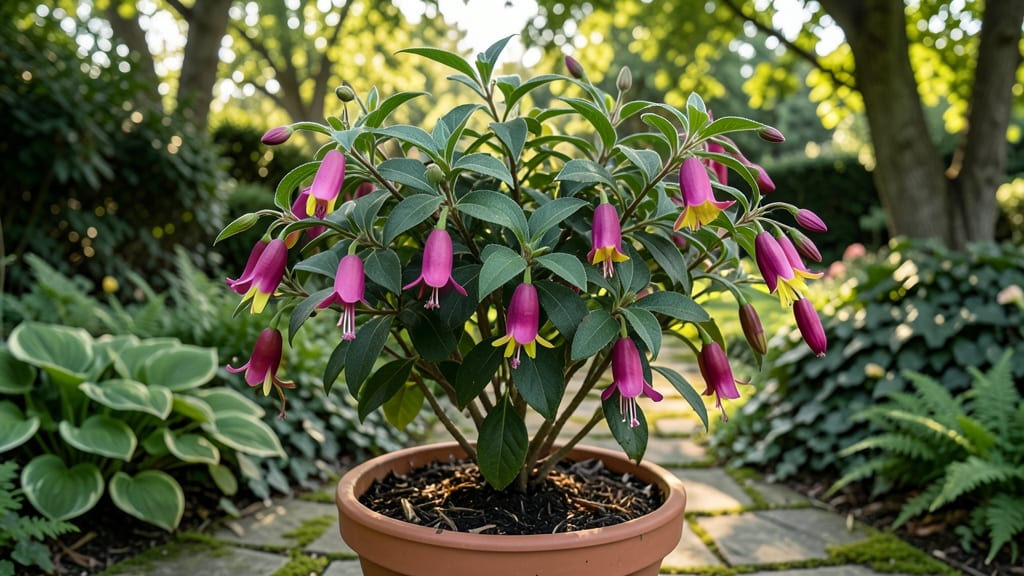
Cold-hardy fuchsias that survive winter are a gardener’s secret weapon. 🌿 I’ve grown Fuchsia magellanica for years, and these shrubs pack vibrant blooms and sweet fragrance even when most plants sleep through the cold. The key?
Choosing the right variety and giving them the care they need to thrive in zones 6-9. These shrubs love morning sun and afternoon shade, which prevents scorched leaves while keeping blooms abundant.
Plant them in well-draining soil with organic matter—think leaf mold or compost—and they’ll reward you with year-round interest, from glossy foliage in winter to cascading flowers in spring and fall. Mulch heavily in winter to protect roots from freeze-thaw cycles.
Pruning in late winter or early spring keeps them compact and encourages fresh growth. Pinch back leggy stems by a third, and you’ll see new shoots bursting with pink, purple, or white blooms within weeks.
The fragrance alone makes them worth the effort—imagine walking past a bush heavy with sweet-scented flowers in December. Works beautifully in borders, containers, or as a focal point near patios. Pair them with heucheras or bergenias for a low-maintenance, cold-resistant combo. Let’s get yours planted right!
📚 In This Guide
- What you need
- Instructions
- Tips and common mistakes
- Wrapping up and next steps
What you need
- ● Hardy Fuchsia Plants: 3–5 cold-resistant varieties (e.g., Fuchsia magellanica, Fuchsia 'Gracilis', or Fuchsia 'Riccartonii'). Choose healthy, well-established plants (1–2 years old) from nurseries or online retailers.
- ● Well-Draining Soil: 5–10 bags of peat-free potting mix (or a blend of 60% garden soil, 30% compost, and 10% perlite/sand for drainage). Aim for 50 lbs total for 3 plants.
- ● Organic Fertilizer: 1 lb of balanced, slow-release fertilizer (10-10-10 or 5-5-5) or composted manure (e.g., worm castings or cow manure).
- ● Mulch: 2–3 cubic feet of wood chips or shredded bark (avoid dyed mulch) to retain moisture and insulate roots.
- ● Watering Can or Hose: With a gentle spray nozzle (1–2 gallons capacity) for thorough watering.
- ● Garden Trowel or Spade: For digging holes (6–8 inches deep and wide per plant).
- ● Pruning Shears: Sharp, bypass-style shears (sterilized with rubbing alcohol) for trimming.
- ● Garden Gloves: Heavy-duty, nitrile-coated gloves to protect against thorns and soil.
- ● Measuring Tape: To ensure proper spacing (18–24 inches apart for dwarf varieties, 3–4 feet for larger shrubs).
- ○ Stakes & Twine (Optional): For young or top-heavy plants in windy areas (2–3 stakes per plant).
- ● Sunlight: A location with partial shade (4–6 hours of morning sun). Avoid harsh afternoon sun in hot climates.
- ● Climate Suitability: Zones 6–9 (verify your USDA zone here).
- ● Water Source: Access to drip irrigation or a watering schedule (1–2 inches per week, more during droughts).
Step-by-step guide to planting and caring for hardy Fuchsia shrubs
Here's how to establish these cold-tolerant beauties for seasonal blooms and lasting fragrance.
🌱 Step 1: Choose the Right Location and Soil Conditions
Hardy fuchsias thrive in partial shade with 4-6 hours of morning sun and afternoon shade—too much direct sun scorches their delicate blooms. I always test the spot by observing how nearby plants grow; if they show signs of stress from afternoon heat, it's too exposed. The soil should drain well but retain moisture; amend heavy clay with 2-3 inches of compost to improve aeration.
Dig a hole twice as wide as the root ball but only as deep as the container's base. Loosen the sides of the hole with a fork to encourage root spread. I like to water the hole thoroughly before planting—this prevents air pockets that can strangle new roots. The top of the root ball should sit 1 inch above ground level; settling will occur over time, so don't plant too deep.
🪴 Step 2: Plant with Proper Spacing and Mulching
Space shrubs 3-4 feet apart to allow air circulation and future growth. I always plant in clusters of three for visual impact, spacing them in a triangular formation. Handle the root ball gently—hardy fuchsias have shallow roots that bruise easily. Place the shrub in the hole, backfill with native soil, and firm lightly around the edges to eliminate gaps.
Mulch immediately with 2-3 inches of organic mulch (like shredded bark) to retain moisture and regulate soil temperature. Keep the mulch 2 inches away from the stem to prevent rot. Water deeply right after planting to settle the soil and remove any air pockets. You'll see new growth within 3-4 weeks if conditions are right—look for fresh, vibrant leaves emerging from the base.
☀️ Step 3: Water and Fertilize for Seasonal Growth
Water 1-2 times per week during the first growing season, providing 1-2 inches of water per week. Check soil moisture by pushing your finger 2 inches deep—if it feels dry, it's time to water. Hardy fuchsias are drought-tolerant once established, but consistent moisture encourages stronger root development. I water at the base in the morning to reduce evaporation and fungal risks.
Fertilize in early spring with a balanced, slow-release fertilizer (10-10-10) applied at half strength. Avoid high-nitrogen fertilizers—they promote leafy growth at the expense of blooms. I top-dress with compost in late fall to provide nutrients for next year's growth. Prune spent blooms regularly to encourage continuous flowering; you'll notice new buds forming within 2-3 weeks of deadheading.
✂️ Step 4: Prune and Protect for Winter Hardiness
In late fall, prune back one-third of the plant's height to shape and encourage dense growth. Remove any dead or diseased stems first—this prevents winter rot. Hardy fuchsias handle cold down to 10°F, but young plants benefit from a 4-6 inch layer of mulch over the root zone. I use straw or shredded leaves, which break down slowly and add organic matter.
In early spring, remove the mulch and inspect for winter damage. Prune back any dead growth to just above a healthy bud. Hardy fuchsias bloom on new wood, so don't worry about cutting back too much—you'll see fresh shoots emerging within 3-4 weeks of spring pruning. Avoid fertilizing until new growth appears; this prevents stress on dormant plants.
Tips & tricks for perfect hardy Fuchsia shrubs
These simple strategies will help you coax vibrant blooms and robust growth from your cold-hardy fuchsias—no green thumb required.
Sunlight Strategy: The 4-6 hours of morning sun is non-negotiable for those delicate blooms, but here's the secret: if your area gets intense afternoon sun, consider planting near a north-facing wall or under a deciduous tree. The tree will provide shade during summer's harshest hours while allowing winter sunlight to reach your shrubs. I've seen fuchsias thrive in spots that would scorch regular varieties—just watch for leaf scorch as your early warning system.
Root Care Secret: When planting, focus on those shallow roots—treat them like fragile glass. After placing your shrub in the hole, I like to gently press the soil around the edges with my hands rather than stomping. This creates better contact without compacting the soil too tightly. The 1-inch elevation above ground level is crucial too; it prevents water pooling around the stem, which can lead to rot. Think of it like giving your plant a little breathing room.
Watering Wisdom: Those 1-2 inches of water per week might seem straightforward, but timing matters. Watering at the base in the morning (before 10 AM) prevents evaporation and fungal risks. I've found that adding a 2-inch layer of coarse sand around the base can help with drainage in heavier soils, which is especially helpful in the first growing season. And here's a pro move: use a rain gauge or tuna can to measure your water—you'll be surprised how much we often overestimate!
Winter Protection: The 10°F cold tolerance is impressive, but young plants need that extra 4-6 inch mulch layer to really shine. I've had success using a mix of straw and shredded leaves—it insulates better than plain mulch alone. In particularly harsh winters (below 0°F), consider wrapping the entire plant in burlap for added protection. The key is to keep that root zone warm while allowing airflow to prevent rot. Think of it like giving your shrub a cozy winter blanket.
Pro Tips for Hardy Fuchsia Shrub
- These simple strategies will help you coax vibrant blooms and robust growth from your cold-hardy fuchsias—no green thumb required.
- The tree will provide shade during summer's harshest hours while allowing winter sunlight to reach your shrubs.
- Root Care Secret: When planting, focus on those shallow roots—treat them like fragile glass.
Frequently asked questions
Got questions about growing hardy fuchsia shrubs?
You’re not alone—these stunning, cold-resistant plants have unique care needs. Below, we tackle the most common queries to help you cultivate thriving, fragrant shrubs with ease!
How cold can hardy fuchsia shrubs tolerate?
Most hardy fuchsia varieties, like Fuchsia magellanica or Fuchsia ‘Gracilis’, survive down to USDA Zone 6 (-10°F/-23°C) with proper winter protection (mulch or burlap wraps). In colder zones (5 or below), opt for microclimates near walls or plant in containers for winter relocation. Always check your specific cultivar’s hardiness rating!
When is the best time to prune hardy fuchsias?
Prune late winter or early spring (before new growth starts) to shape the shrub and remove dead wood. Avoid heavy pruning in fall—it can stimulate tender growth that won’t survive frost. For flowering varieties, light pruning after blooms encourages bushier, more vibrant plants. Pro tip: Use sterilized shears to prevent disease!
Can I grow hardy fuchsias in containers? How?
Containers work well for hardy fuchsias, especially in colder climates. Use a well-draining mix (50% potting soil, 30% perlite, 20% compost) and a pot with drainage holes. In winter, move pots to a sheltered spot or wrap them in insulation. Bonus: Container-grown plants are easier to protect from late frosts!
Why are my hardy fuchsia leaves turning yellow or dropping?
Yellow leaves often signal overwatering, poor drainage, or root rot—common in heavy clay soils. Check for soggy roots and adjust watering (let soil dry slightly between waterings). Dropping leaves can also mean transplant shock or nutrient deficiency (try a balanced fertilizer in spring). Fix it: Improve drainage and avoid wet foliage to prevent fungal issues.
Are there fragrant hardy fuchsia varieties?
Yes! While most fuchsias are prized for their visual appeal, some varieties like Fuchsia ‘Riccartonii’ or Fuchsia ‘Aurea’ emit a light, sweet fragrance, especially in evening hours. For stronger scent, pair with companion plants like jasmine or evening primrose near your patio or garden seating.
What’s a good alternative if hardy fuchsias don’t thrive in my area?
If your climate is too harsh (Zone 5 or colder), try these cold-hardy, fragrant shrubs:
- Weigela (Zones 4-8): Showy blooms and deer-resistant.
- Abelia (Zones 5-8): Glossy leaves and fragrant summer flowers.
- Pieris japonica (Zones 5-8): Evergreen with delicate white blooms.
All three offer year-round interest with minimal fuss!
Wrapping up and next steps
Ready to transform your garden into a fragrant, year-round haven? The hardy fuchsia shrub is your secret weapon—resilient, stunning, and packed with cold-resistant charm! 🌿 With the right variety and care, you’ll enjoy vibrant blooms and intoxicating scents even in cooler climates.
Whether you’re a seasoned gardener or just starting, now’s the perfect time to plant and watch your outdoor space thrive.
Start by choosing your favorite variety and ordering plants or seeds—your future garden awaits! 🌸