
Shrubs
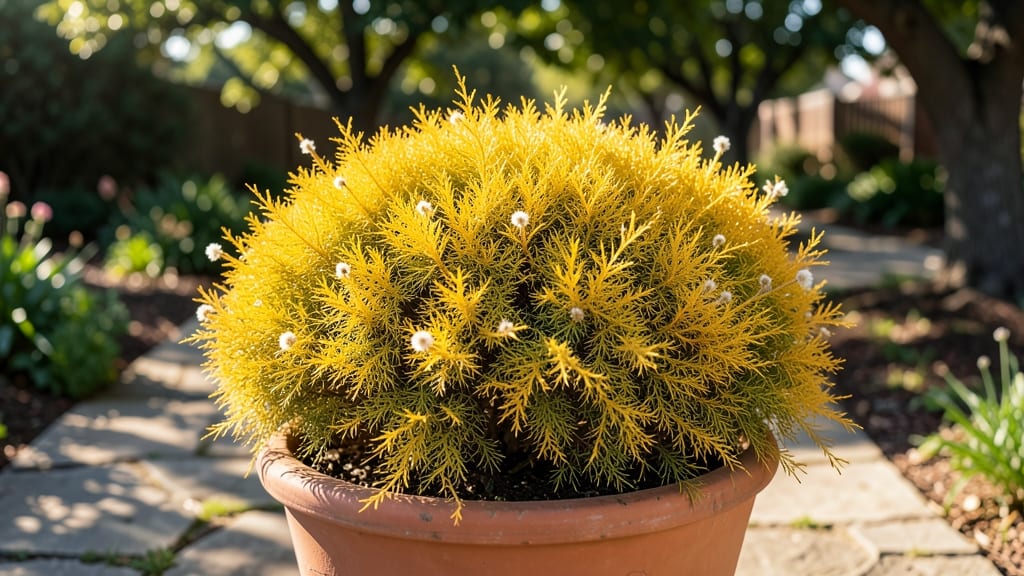
Transforming your yard with a gold mop shrub starts with understanding its love for sun and well-drained soil. 🌿 I’ve watched mine go from a scraggly transplant to a fragrant, golden cloud that brightens the entire garden—it’s all about the right care.
These shrubs thrive in full sun, where their foliage shimmers like liquid gold, but they’ll tolerate partial shade if you’re in a hotter climate.
The secret to keeping that vibrant color lies in watering deeply but infrequently—think once a week in summer, less in winter. Overwatering is the fastest way to dull those golden leaves, so let the soil dry out between waterings.
Prune lightly in late winter to shape and encourage bushier growth, but avoid heavy cuts that strip away the foliage you love.
By summer, your gold mop will be a fragrant, buzzing hub for pollinators, with its feathery leaves swaying in the breeze. It’s perfect for borders, containers, or as a striking focal point in rock gardens. The best part? It stays lush all year, even in winter, when most shrubs fade.
For those chilly mornings, a light mulch helps protect the roots, and a quick trim in early spring keeps it looking its best. Whether you’re planting one or a row, this shrub delivers year-round color with almost no effort—just sun, patience, and the occasional snip.
📚 In This Guide
- What you need
- Instructions
- Tips and common mistakes
- Wrapping up and next steps
What you need
- ● Pruning shears or loppers – Sharp, clean, and disinfected (70% rubbing alcohol or bleach solution). 1 pair (loppers for thicker branches).
- ● Garden gloves – Heavy-duty, cut-resistant (e.g., Mechanix Wear). 1 pair.
- ● Fertilizer – Slow-release acidic fertilizer (10-10-10 or 8-3-9 NPK ratio) OR organic options like fish emulsion or compost. 1–2 lbs (follow package rates).
- ● Mulch – Pine bark or pine needles (3–4 inches deep) to retain moisture and acidify soil.
- ● Watering can or hose with a gentle nozzle – 1–2 gallons capacity (or access to a water source).
- ● Hand pruners – For fine-tuning small branches. 1 pair.
- ● Trowel or garden fork – For soil aeration or removing weeds. 1 unit.
- ○ pH test kit – To check soil acidity (ideal: 5.0–6.0). Optional but recommended.
- ○ Spreader (broadcast or drop) – For even fertilizer distribution. Optional.
- ● ✅ Choose the right time: Prune in late winter or early spring (before new growth).
- ● ✅ Clear the area: Remove debris, weeds, or competing plants within 3 feet of the shrub.
- ● ✅ Check weather: Avoid pruning if rain is forecasted within 24 hours (wet cuts invite disease).
- ● ✅ Gather safety gear: Safety glasses (if dealing with thorny branches) and a first-aid kit.
Step-by-Step guide to reviving your gold mop shrub
Here’s how I bring these fragrant beauties back to life—no matter the season.
🌿 Step 1: Assess the Shrub’s Health and Prune for Structure
Start by examining your gold mop shrub (likely a Artemisia or Baccharis variety) for dead or overgrown branches. Use sharp pruning shears to trim back any leggy growth or woody stems that no longer have vibrant color. I always cut just above a leaf node or outward-facing bud to encourage bushier growth. This isn’t just about looks—it’s about letting sunlight and air reach the center, which is where new fragrant foliage will emerge.
If your shrub looks sparse, don’t panic. Even a hard prune back to a third of its size can stimulate fresh growth. Just avoid cutting into old, bare wood—you’ll know it’s too late when the stem feels hollow or snaps easily. Work in dry weather to prevent disease spread, and clean your tools with rubbing alcohol between cuts.
☀️ Step 2: Adjust Light and Soil for Year-Round Vitality
Gold mop shrubs thrive in full sun (6+ hours daily), but if yours is struggling, it might need a spot with better exposure. Move it gradually to avoid shock—start with morning sun only, then transition to full sun over a week. If your shrub is in a container, rotate it weekly so it grows evenly and doesn’t lean toward the light.
Check the soil—it should drain well but retain moisture. Amend heavy clay soil with 1-2 inches of compost or a slow-release fertilizer in early spring. Overwatering is the biggest killer, so wait until the top 2 inches of soil feel dry before watering deeply. Mulch around the base with 1-2 inches of organic mulch to retain moisture and regulate temperature.
💧 Step 3: Water Deeply and Fertilize for Fragrant Foliage
Water at the base of the shrub in the morning to reduce evaporation and fungal risks. Avoid wetting the leaves, especially in humid climates—this can lead to powdery mildew. For established shrubs, water once a week during dry spells, but adjust based on rainfall. You’ll know it’s enough when water drains through the soil within 30 minutes.
Feed your shrub with a balanced, slow-release fertilizer (10-10-10) in early spring and again in midsummer. I skip fall fertilization—it encourages tender new growth that won’t survive winter. If your shrub’s color fades, it might need more nitrogen. A side dressing of compost in spring often does the trick without overfeeding.
✂️ Step 4: Maintain Shape and Encourage New Growth
Shape your shrub lightly after it finishes flowering to maintain its signature mop-like form. Trim just enough to remove any straggly branches or uneven growth. The goal is to keep it full and rounded—this isn’t about strict topiary but about letting its natural beauty shine. I use my fingers to guide the shears, keeping cuts clean and angled slightly outward.
Watch for new growth at the tips of branches—this is your sign that your care is working. If you notice yellowing leaves, it could mean overwatering or poor drainage. Adjust your routine and give the soil a chance to dry out more between waterings. A healthy gold mop shrub should have silvery-green, aromatic foliage year-round.
⏰ Step 5: Winterize for Year-Round Fragrance
In colder climates, protect your shrub with a 2-3 inch layer of mulch around the base to insulate roots. If you’re in a zone with hard freezes (below 15°F), wrap the shrub loosely with burlap or frost cloth to prevent windburn. I’ve seen gold mop shrubs survive winters just fine, but a little extra care ensures they bounce back stronger in spring.
Even in mild winters, reduce watering to once every 2-3 weeks unless it’s unusually dry. The shrub enters a semi-dormant state, so it needs less moisture. Prune lightly in late winter to remove any dead growth and stimulate fresh shoots. With consistent care, your gold mop shrub will reward you with a fragrant canopy that lasts all year.
Tips & tricks for perfect gold mop shrub revival
Here's how to transform your fragrant shrub into a thriving centerpiece that'll fill your garden with that signature citrusy aroma all year.
Pruning Precision: When you're trimming in Step 1, look for those outward-facing buds—they're the secret to bushier growth. I learned this the hard way after pruning too aggressively and losing my shrub's natural shape. Cut at a 45-degree angle just above these buds, and you'll encourage new growth that maintains that signature mop-like form. The goal is to open up the center where sunlight can work its magic on new foliage.
Light Transition Strategy: Moving your shrub to full sun in Step 2? Do it gradually—start with morning sun only for a few days, then slowly increase exposure. I've seen shrubs go into shock when moved directly to full sun, especially in hot afternoons. For container shrubs, that weekly rotation is crucial—it prevents that lopsided growth that makes your shrub look like it's leaning toward the sun. Think of it as a slow acclimation process.
Watering Wisdom: That 30-minute drainage test in Step 3 is your golden rule. If water pools on the surface after 30 minutes, your soil isn't draining properly. Amend with perlite or coarse sand if needed—gold mop shrubs hate soggy roots. And that morning watering routine? It's not just about evaporation—it gives leaves time to dry completely, preventing that dreaded powdery mildew that can turn your fragrant foliage gray and sad.
Winter Protection: For those hard freezes below 15°F in Step 5, don't just wrap your shrub—create an air pocket. Leave space between the frost cloth and the foliage so moisture can escape. I've seen too many shrubs suffer from winter rot when wrapped too tightly. And that 2-3 inch mulch layer? It's not just about insulation—it's about protecting those delicate roots from temperature swings that can stress your shrub right when it needs to rest.
Pro Tips for Gold Mop Shrub
- Here's how to transform your fragrant shrub into a thriving centerpiece that'll fill your garden with that signature ...
- Pruning Precision: When you're trimming in Step 1, look for those outward-facing buds—they're the secret to bushier g...
- Light Transition Strategy: Moving your shrub to full sun in Step 2? Do it gradually—start with morning sun only for a...
Frequently asked questions
Is the Gold Mop Shrub hard to grow?
The Gold Mop Shrub (often Baccharis halimifolia ‘Gold Mop’) is surprisingly low-maintenance! It thrives in full sun to partial shade and tolerates a range of soil types—even poor or sandy soil. Just ensure good drainage to avoid root rot. With minimal pruning and occasional watering, it rewards you with vibrant golden foliage and fragrant blooms. Pro tip: Mulch around the base to retain moisture and suppress weeds!
When is the best time to prune a Gold Mop Shrub?
Prune your Gold Mop in late winter or early spring (before new growth starts) to shape it and encourage bushier growth. Avoid heavy pruning after summer, as it may reduce winter hardiness. For fragrant blooms, trim lightly in fall to remove dead stems. Warning: Never prune into old wood—focus on outer branches to maintain its iconic rounded form!
Can I grow a Gold Mop Shrub in a container?
Yes! While it’s typically grown as a landscape shrub, Gold Mop can thrive in large containers (15+ gallons) with well-draining soil. Use a mix of potting soil and perlite, and place it in full sun. Container-grown shrubs may need more frequent watering and annual repotting to refresh nutrients. Bonus: Rotate the pot occasionally for even growth!
What pests or diseases should I watch for?
The Gold Mop Shrub is generally pest-resistant, but keep an eye out for aphids, spider mites, or scale insects on new growth. Treat infestations early with insecticidal soap or neem oil. Diseases like powdery mildew (in humid climates) can occur—improve airflow and avoid overhead watering to prevent it. Quick fix: Prune affected leaves and dispose of them!
Does the Gold Mop Shrub lose its golden color in winter?
Yes! In colder months, the foliage may turn brown or bronze but stays on the shrub until spring. Don’t panic—this is normal! The golden hue returns in early spring as new leaves emerge. For extra winter interest, plant it near evergreens to contrast the seasonal color shift. Fun fact: In mild climates, it may retain some golden tones year-round!
Wrapping up and next steps
Reviving your gold mop shrub with year-round care is a rewarding journey that brings beauty, fragrance, and a touch of nature’s elegance to your space. 🌿 Whether you’re tackling pruning, soil health, or pest prevention, each step ensures your shrub thrives for seasons to come.
Now that you’re armed with the right knowledge, take that first step—whether it’s a trim, a soil test, or simply admiring your hard work!
Ready to watch your gold mop shrub flourish? Start small:
- Schedule a quick inspection this weekend.
- Gather your tools and materials.
- Enjoy the process—your green thumb is growing!