
Shrubs
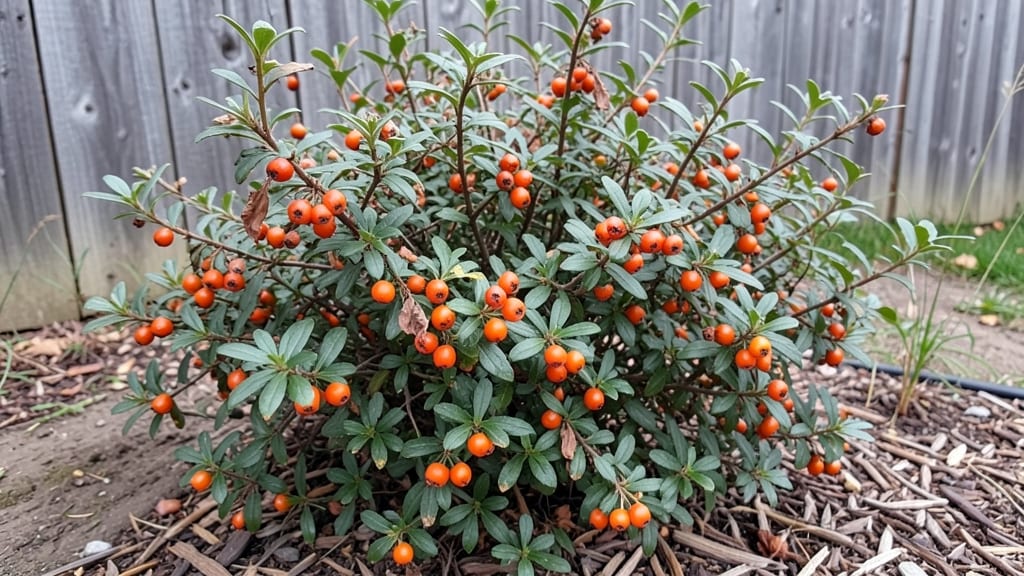
Mastering red leaf shrub identification can transform your garden into a bold, year-round spectacle—but not every fiery foliage shrub delivers on its promise. 🌿 I’ve spent years tracking down the true red-tipped varieties (and weeding out the fakes), and the differences start with the leaves: Cotoneaster’s glossy ovals, Pyracantha’s serrated edges, or Euonymus’s velvety texture.
One wrong ID could mean years of disappointment instead of that bold, year-round color you’re dreaming of.
The real game-changer? Paying attention to berries, thorns, and growth habits—Pyracantha’s bright red clusters, Cotoneaster’s sprawling branches, or Euonymus’s smooth bark. These details separate the showy standouts from the underwhelming imitators.
And once you master the leaf-by-leaf breakdown, you’ll spot the perfect shrub for your space in seconds, whether it’s a sunny border or a shady corner.
What you’ll end up with is a shrub that stays vibrant through all four seasons, requires minimal fuss, and becomes the centerpiece of your landscaping. Imagine that deep crimson glow lighting up winter mornings or framing your patio in summer—no more guessing games, just confident plant choices that deliver.
Works for any yard size, from urban containers to sprawling backyards, and adapts to sun or shade. Let’s cut through the confusion and get you planting with confidence—your future shrub’s already waiting for you.
Root Causes Of Red Foliage
When you spot a shrub with vibrant red leaves, it’s often a stunning display of nature’s artistry—but what triggers this fiery transformation? The answer lies in a mix of biological, environmental, and seasonal factors.
Understanding these causes helps you identify whether your shrub’s red leaves are natural, seasonal, or a sign of trouble. Let’s break it down.
Some shrubs are hardwired to produce red or burgundy leaves due to their genetics. This trait is often linked to specific varieties, like Ilex crenata ‘Blood Red’ (Japanese holly) or Cornus sericea ‘Cardinal’ (red osier dogwood).
These plants synthesize anthocyanins, water-soluble pigments that give leaves, flowers, and fruits their red, purple, or blue hues.
💡 Pro Tip: If your shrub consistently sports red leaves year-round (or at least during its mature growth phase), genetics is likely the culprit. Cross-reference with a red leaf shrub identification guide to confirm the species.
For many shrubs, red leaves are a seasonal spectacle, especially in fall. As daylight shortens and temperatures drop, chlorophyll (the green pigment responsible for photosynthesis) breaks down.
This reveals carotenoids (yellows and oranges) and anthocyanins (reds and purples), which protect leaves from sun damage and help store nutrients for next year’s growth.
🌡️ Key Triggers:
- Cooler nights: Temperatures below 50°F (10°C) accelerate chlorophyll degradation.
- Sunlight exposure: Bright, direct light boosts anthocyanin production.
- Nutrient availability: Phosphorus and nitrogen levels influence pigment intensity.
✨ Fun Fact: Some shrubs, like Viburnum bodnantense ‘Dawn’, produce red leaves in winter as a cold-hardiness adaptation. If your shrub’s red foliage peaks in late fall or winter, it’s likely a seasonal trait.
While sunlight can enhance red pigmentation, excessive exposure can also trigger a stress response. Some shrubs, particularly those adapted to partial shade, develop red or bronze leaves when planted in full, harsh sunlight.
This is common in Rhododendrons or Azaleas, which may scorch or turn red as a protective measure.
🔥 Signs of Light Stress:
- Leaves appear dull or papery alongside reddening.
- New growth is smaller or distorted.
- Edges may crisp or brown (early signs of sunburn).
🎯 Fix It: If your shrub’s red leaves coincide with wilting or leaf drop, it may need afternoon shade or a more sheltered location.
Red leaves can signal hydration extremes. On one end, drought stress causes some shrubs (like Cotoneaster or Pyracantha) to produce red foliage as a way to conserve water.
On the other hand, overwatering can lead to root suffocation, cutting off oxygen and triggering a reddening response in oxygen-starved leaves.
| Drought Stress | Overwatering |
|---|---|
| Leaves feel dry or brittle. | Leaves feel soggy or yellowed at the base. |
| Soil pulls away from pot edges (if potted). | Soil stays clammy for days after watering. |
| New growth is stunted. | Roots may smell rotten. |
💡 Actionable Tip: Check soil moisture by sticking your finger 2 inches deep. If dry, water deeply; if wet, hold off until the top inch is dry.
Red leaves can also stem from nutritional deficiencies or excesses. For example:
- Phosphorus deficiency: Leaves may turn deep red or purple, especially along veins (common in Hydrangeas).
- Magnesium deficiency: Reddish-brown patches between veins can appear (often in Rhododendrons).
- Excess salt or fertilizer burn: Tips or edges may redden due to osmotic stress (too many dissolved minerals in the soil).
📊 Diagnostic Table:
Symptom
Likely Cause
Solution
Uniform red across all leaves.
Phosphorus deficiency.
Apply a bone meal or balanced fertilizer (10-10-10).
Red only on new growth.
Nitrogen deficiency or excess.
Test soil pH and adjust with sulfur (to lower pH) or lime (to raise pH).
Red edges or tips.
Fertilizer burn or salt buildup.
Flush soil with water and avoid heavy fertilizers.
✨ Remember: If red leaves appear suddenly with yellowing or leaf drop, it’s more likely a deficiency or toxicity than a natural trait.
By pinpointing whether your shrub’s red leaves are genetic, seasonal, stress-related, or nutrient-driven, you can better care for it—and even encourage more vibrant colors in the future! For a deeper dive, consult a red leaf shrub identification chart to match symptoms to species.
Revive Your Shrubs Step by Step
Got a shrub with red-tinged leaves that’s not quite the showstopper you hoped for? Don’t toss it out just yet! Whether your shrub’s leaves are turning red due to stress, disease, or environmental factors, there’s a way to bring back that vibrant color—or at least keep it healthy.
Here’s how to diagnose and fix the issue, cause by cause, with easy-to-follow solutions and prevention tips to keep your shrubs thriving.
Signs: Yellowing or wilting leaves, mushy stems, or leaves turning red along the edges (a sign of root stress).
How to Fix It: 🔥 Step 1: Check the Soil – Stick your finger about 2 inches into the soil. If it’s soggy, your shrub is getting too much water. If it’s bone-dry, you’re underwatering (both can cause stress). 🍳 Step 2: Adjust Watering Habits – Water deeply but less frequently. Most shrubs prefer soil that’s moist but not waterlogged. Aim for 1–1.5 inches of water per week, including rainfall. 👨🍳 Step 3: Improve Drainage – If your shrub is in a pot, ensure it has drainage holes. For in-ground plants, amend the soil with compost or perlite to loosen heavy clay. 🥘 Step 4: Repot if Needed – If the roots are sitting in water, repot into a container with fresh, well-draining potting mix.
Prevention Tips: ✨ Use a moisture meter to track soil dampness. 🎯 Water in the morning to reduce evaporation and fungal risks. 💡 Mulch around the base (but keep it 2–3 inches away from the stem) to regulate moisture.
Signs: Leaves turning red, crispy edges, or wilting in hot afternoons (common in tender shrubs like Ilex crenata or Berberis).
How to Fix It: 🔥 Step 1: Assess Sun Exposure – Most red-leaf shrubs (like Cotoneaster or Euonymus) thrive in partial shade (4–6 hours of sun). If yours is in full sun, it may be overheating. 🍳 Step 2: Provide Shade Cloth or Dappled Light – Use a 30–50% shade cloth during peak summer hours (10 AM–4 PM) if your shrub is in a hot, exposed spot. 👨🍳 Step 3: Water Deeply During Heatwaves – Increase watering frequency but water at the base (not the leaves) to prevent scorching. 🥘 Step 4: Prune for Airflow – Thin out dense foliage to improve air circulation, reducing heat buildup.
Prevention Tips: 🌡️ Group heat-loving shrubs together to create a microclimate. 💡 Use reflective mulch (like white gravel) to bounce light away from sensitive roots. ✨ Choose the right shrub for your zone – Some red-leaf varieties (like Pyracantha) handle full sun better than others.
Signs: Red or purple spots, blackened veins, or leaves that look "scorched" (common with Phytophthora or Anthracnose).
How to Fix It: 🔥 Step 1: Identify the Issue – Scrape a small section of a diseased leaf. If it’s black, slimy, or powdery, it’s likely fungal or bacterial. 🍳 Step 2: Prune Infected Parts – Use sterilized pruners to cut off and dispose of (not compost) diseased leaves and stems. 👨🍳 Step 3: Apply Fungicide – Spray with a copper-based fungicide or neem oil solution (1 tsp neem oil + 1 quart water + a drop of dish soap). Reapply every 7–10 days until new growth appears. 🥘 Step 4: Improve Airflow – Space shrubs apart and prune to reduce humidity trapped in dense foliage.
Prevention Tips: 🔪 Clean tools between cuts with rubbing alcohol to prevent spread. 🎯 Water at the base (not overhead) to keep leaves dry. 💡 Avoid overhead irrigation during rainy seasons.
Signs: Pale or yellow leaves with red veins, stunted growth, or leaves that fall prematurely (often due to iron, nitrogen, or magnesium deficiency).
How to Fix It: 🔥 Step 1: Test Your Soil – Use a DIY soil test kit (available at garden centers) to check pH and nutrient levels. Most red-leaf shrubs prefer slightly acidic soil (pH 5.5–6.5). 🍳 Step 2: Amend the Soil –
- For iron deficiency (yellow leaves with red veins): Sprinkle chelated iron or use Epsom salt (1 tbsp per gallon of water, applied monthly).
- For nitrogen deficiency (pale green leaves): Add compost or a balanced fertilizer (10-10-10) in spring.
👨🍳 Step 3: Feed Regularly – Fertilize every 6–8 weeks during growing season (spring to early fall) with a slow-release granular fertilizer. 🥘 Step 4: Mulch with Organic Matter – Spread 2–3 inches of compost or leaf mold around the base to improve soil structure over time.
Prevention Tips: ✨ Rotate fertilizers to avoid overloading one nutrient. 🎯 Avoid over-fertilizing—it can burn roots and cause more stress. 💡 Use worm castings for a gentle, nutrient-rich boost.
Signs: Brown or red-tinged leaves that feel mushy or crispy, blackened stems, or delayed spring growth.
How to Fix It: 🔥 Step 1: Wait and Observe – Some shrubs (like Viburnum) may look dead in winter but regrow in spring. Wait until late spring before pruning. 🍳 Step 2: Prune Dead Growth – Once new growth appears, cut back dead branches to encourage fresh shoots. Use sterilized pruners to avoid disease. 👨🍳 Step 3: Protect Next Year – If your shrub is in a frost-prone area, wrap young or tender shrubs in burlap before the first frost. 🥘 Step 4: Feed for Recovery – Apply a balanced fertilizer in early spring to help the shrub bounce back.
Prevention Tips: 🌡️ Choose cold-hardy varieties (e.g., Ilex glabra for Zone 5–9). 💡 Plant in sheltered spots (near walls or fences) to break wind and retain heat. ✨ Mulch heavily in fall (4–6 inches of straw or shredded leaves) to insulate roots.
No matter the cause, these universal tips will keep your red-leaf shrubs looking their best:
- Prune in late winter/early spring to encourage new, vibrant growth.
- Monitor for pests (like spider mites or scale) and treat early with insecticidal soap.
- Rotate placement if leaves consistently fade—sometimes a simple move to a sunnier or shadier spot works wonders.
With the right care, your shrub’s red foliage will be back to its bold, beautiful self in no time! 🌟
Frequently asked questions about red leaf shrubs
What are the most common shrubs with naturally red leaves?
The top 5 showstopper shrubs include Cotoneaster (glossy oval leaves, red berries), Pyracantha (serrated edges, bright clusters), Euonymus (velvety texture, winter color), Ilex crenata (compact, evergreen), and Viburnum bodnantense (winter blooms). Each thrives in different light conditions, so match your site's sun exposure to the variety.
How can I tell if my shrub's red leaves are healthy or a sign of stress?
Healthy red leaves appear vibrant and uniform, while stressed leaves show uneven color, crispy edges, or yellowing. Check for drought stress (dry soil) or overwatering (soggy roots). If red appears suddenly with wilting, it's likely environmental—adjust care immediately.
Do red leaf shrubs need special soil or sunlight?
Most thrive in well-draining soil with partial shade (4-6 hours of sun)—full sun can scorch tender varieties like Euonymus. Amend heavy clay with compost. For Pyracantha or Cotoneaster, full sun works if moisture is consistent. Always verify your specific shrub's needs before planting.
Can I prune red leaf shrubs to encourage more vibrant color?
Yes! Prune in late winter/early spring to remove dead wood and shape growth. For Euonymus or Viburnum, thin dense areas to improve airflow. Avoid heavy pruning in fall—it removes next year's color potential. Use sterilized tools to prevent disease spread.
Are red leaf shrubs deer-resistant?
Some varieties like Pyracantha (thorny) or Ilex crenata (holly) deter deer, but others (like Euonymus) are often browsed. Plant near deer-proof barriers or choose thorny or bitter-tasting varieties. Apply deer repellent sprays in high-risk areas during growing seasons.