
Pruning
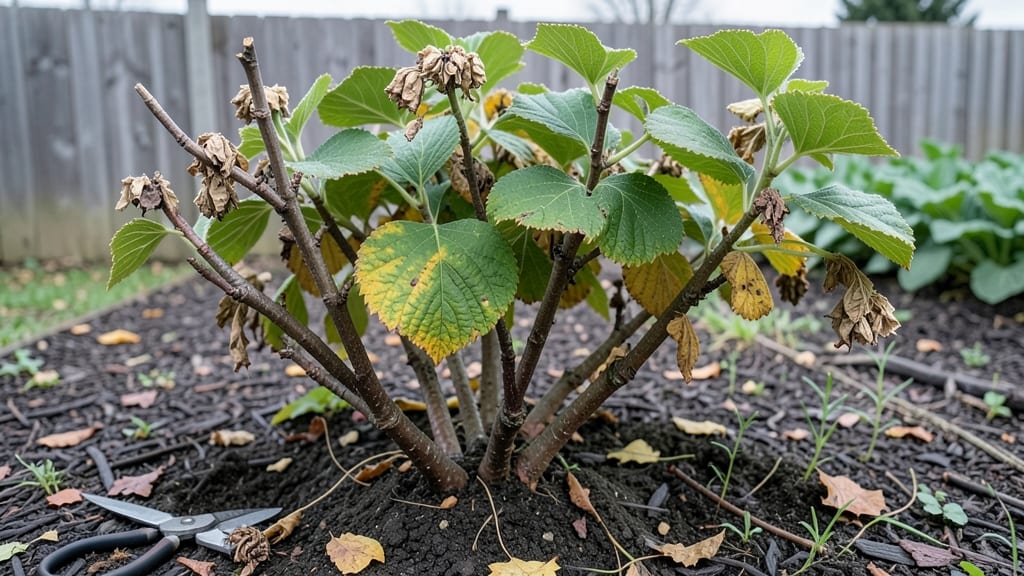
Pruning shrubs in autumn is the secret to stronger stems and bigger blooms next spring. I learned this the hard way after my hydrangeas produced half the flowers they should have—turns out, timing matters more than technique.
The right cuts now encourage fresh growth while protecting plants from winter stress, and the difference shows up within weeks.
Start with clean tools and a clear goal: remove dead wood first, then thin out crowded branches to improve airflow. Evergreens like boxwoods need minimal shaping, while deciduous shrubs like lilacs benefit from a 25-30% reduction in size.
The key is to prune after the first hard frost but before the ground freezes—typically between late October and early December in most zones.
What you’ll end up with is shrubs that bounce back faster in spring, with thicker branches and more vibrant blooms. The plants look neater now and handle winter winds better, too.
Just avoid cutting into old wood on flowering shrubs—they bloom on last year’s growth, and you’ll lose next year’s flowers if you prune too late.
Works for foundation plants, hedges, and flowering shrubs alike—just adjust the timing slightly for your climate. Here’s how to do it without guessing.
📚 In This Guide
- What you need
- Instructions
- Tips and common mistakes
- Wrapping up and next steps
What you need
- ● Pruning shears: Bypass pruners (for clean cuts on small stems, 1 pair, 5–7" blades, stainless steel or carbon steel).
- ● Loppers: Bypass loppers (for thicker branches, 1 pair, 8–12" blades, ergonomic handles for comfort).
- ● Pruning saw: Curved-tooth pruning saw (for large, woody stems, 1 unit, 10–12" blade).
- ● Gloves: Heavy-duty gardening gloves (cut-resistant, 1 pair, waterproof, long cuffs).
- ● Disinfectant: Rubbing alcohol (70%+) or bleach solution (1 part bleach to 9 parts water) (to sterilize tools between cuts, small bottle).
- ● Sharpener: Pruning tool sharpener or fine-grit file (to maintain blade sharpness, 1 unit).
- ● Cleanup supplies: Garden waste bags (biodegradable, 2–3 bags, 30+ gallon capacity).
- ● Rake or broom (to clear debris, 1 unit).
- ● Extension pole: Adjustable pruning pole (for high shrubs, 1 unit, 6–10 ft).
- ● Knee pads: Garden knee pads (for comfort during long sessions, 1 pair).
- ● Marking twine: Colored twine or tape (to tag branches for future reference, small roll).
- ● Pruning sealant: Tree wound dressing (for large cuts on certain shrubs, small tube).
- ● Safety gear: Safety goggles (to protect from debris, 1 pair).
- ● Long sleeves/pants (to prevent scratches or thorns, 1 set).
Step-by-step instructions for pruning shrubs in autumn
Here's how to prepare your shrubs for winter while setting them up for strong spring growth.
Gather Your Tools and Inspect the Shrubs
Start by sharpening your pruning shears and sterilizing them with rubbing alcohol. Dull blades tear plant tissue, inviting disease, while clean tools prevent spreading infections between shrubs. I always check for signs of pests or disease first—look for holes in leaves, sticky residue on stems, or discolored foliage. If you spot any issues, note which shrubs need extra care or removal.
Wear gloves to protect your hands from thorns and sap. Grab your pruning shears, loppers, and a small pruning saw if you're working with thicker branches. I like to work on a dry, mild day—autumn's crisp air makes cutting easier, and dry branches won't tear as much. Choose a time when the shrubs are dormant but before hard frosts hit your area.
Remove Dead, Diseased, or Weak Growth
Begin by identifying branches that are dead, diseased, or crossing others. Dead branches snap easily when bent, while diseased ones may show mold, oozing sap, or unusual spots. Cut these back to healthy wood—look for a green ring just beneath the bark. This is your signal that the branch is still alive. I always make cuts at a 45-degree angle, about ¼ inch above a bud or outward-facing growth point.
For weak or leggy growth, thin out the center of the shrub to improve airflow. This prevents fungal issues and lets sunlight reach the inner branches. If a branch is overcrowding others, remove it entirely at the base. Never leave stubs—this invites rot and weakens the plant. Step back occasionally to visualize the shape; you want to maintain the shrub's natural form while opening it up.
Shape and Thin for Next Year’s Growth
Now focus on shaping the shrub for balanced growth. Start by removing branches that grow inward or rub against others—these create wounds and reduce airflow. For boxwoods or formal hedges, trim just outside the new growth to encourage dense, even regrowth. For flowering shrubs like hydrangeas, cut back one-third of the oldest stems to the ground. This promotes new blooms on next year’s growth.
Use your shears to make clean cuts just above a leaf bud or lateral branch. Avoid cutting into old wood if you want flowers the following season. For larger shrubs, work in sections to avoid overwhelming yourself. I like to step back every few cuts to check the overall shape—this helps me see what still needs attention. Never remove more than one-third of the shrub’s foliage in a single season.
Clean Up and Dispose of Trimmings
After pruning, gather all the trimmings and dispose of them properly. Healthy clippings can be composted, but diseased branches should go in the trash—not your compost pile. This prevents spreading pathogens back to your garden. I also wipe down my tools with rubbing alcohol again to ensure they’re sterile for the next shrub.
Rake up any fallen leaves or debris from around the base of the shrub. This reduces hiding spots for pests and improves drainage over winter. Water the shrub lightly if the soil feels dry, but avoid overwatering—autumn rains often provide enough moisture. A 1-inch layer of mulch around the base helps insulate roots and retain moisture. Just keep it 6 inches away from the stem to prevent rot.
Monitor and Plan for Spring
Keep an eye on your shrubs over the winter months. If you notice any dieback or unusual spots, mark the area for closer inspection in spring. Healthy shrubs should have a sturdy structure with no signs of stress. I like to jot down notes about which shrubs needed heavy pruning—this helps me remember their care needs for next year.
In early spring, before new growth starts, give your shrubs a final check. You may need to do light shaping or remove any winter-damaged branches. Pruning in autumn sets the stage for strong, vibrant growth in spring—so your efforts now will pay off with lush foliage and beautiful blooms later. Enjoy the satisfaction of a well-maintained garden!
Tips & tricks for perfect autumn shrub pruning
A few key strategies will help you transform your shrubs into thriving plants ready for spring growth.
Tool Preparation is Everything: Before you even touch a branch, take 5 minutes to sharpen your pruning shears properly. Use a sharpening stone or file to create a clean, sharp edge—this makes cuts that heal faster and reduces tearing. I've ruined perfectly good shrubs by using dull tools that crushed stems instead of making clean cuts. Also, sterilize your tools between each shrub with rubbing alcohol to prevent spreading disease. This simple step saves shrubs from fungal infections that can spread through contaminated blades.
Visualize the Final Shape: In Step 3, when shaping your shrubs, step back every few cuts to visualize the overall form. I like to imagine the shrub's natural growth pattern and work toward enhancing that shape rather than forcing an unnatural look. For boxwoods, think about maintaining those crisp edges, while for flowering shrubs, focus on opening up the center to improve air circulation. This prevents the "Christmas tree" effect where shrubs grow too tightly in the middle and become prone to disease.
Prune for Purpose: Remember that different shrubs have different needs. When you're cutting back one-third of the oldest stems for flowering shrubs, you're actually encouraging next year's blooms by redirecting the plant's energy. For evergreens, focus on removing only the dead or crossing branches to maintain their natural shape. I once over-pruned a lilac bush by removing too many stems, and it took three years to recover its full bloom potential. Always refer to the specific care requirements for your shrub type.
Seasonal Timing Matters: Autumn pruning works best when done after the first frost but before hard freezes. This timing allows shrubs to recover before winter dormancy while avoiding the stress of new growth in cold weather. I've learned this the hard way—after pruning too late in the season, some of my shrubs struggled to establish new growth before winter set in. If you're unsure about your local frost dates, aim to finish pruning at least 4-6 weeks before your area's first expected hard freeze.
Pro Tips for Pruning Shrubs In Autumn
- A few key strategies will help you transform your shrubs into thriving plants ready for spring growth.
- Tool Preparation is Everything: Before you even touch a branch, take 5 minutes to sharpen your pruning shears properly.
- Visualize the Final Shape: In Step 3, when shaping your shrubs, step back every few cuts to visualize the overall form.
Frequently asked questions
When is the exact best time to prune shrubs in autumn?
Prune shrubs in late autumn (November to early December) after the first frost but before new growth starts. This timing helps prevent disease spread and encourages strong root development over winter. Avoid pruning too early—you’ll risk stimulating tender new growth that might not survive frost.
Can I prune shrubs in autumn if they’re still blooming?
If your shrubs bloom in spring or early summer (like lilacs or hydrangeas), prune them in autumn to shape them for next year’s flowers. However, if they bloom in late summer or autumn (like abelia or butterfly bush), wait until spring to avoid cutting off next year’s blossoms.
What if I accidentally prune too much? Can I fix it?
Don’t panic! If you’ve over-pruned, focus on light shaping in spring instead of heavy cuts. Water deeply and fertilize lightly to help recovery. Some shrubs (like boxwoods) handle pruning better than others—research your specific type to avoid stressing it further.
Is autumn pruning safe for all shrubs, or are there exceptions?
Most deciduous shrubs (like forsythia or privet) thrive with autumn pruning, but evergreens (like boxwoods or yews) should only be pruned lightly—if at all. Avoid pruning woody shrubs (like roses) in autumn, as it can invite pests and disease.
How do I know if my shrubs are ready for autumn pruning?
Check for these signs:
- Leaves are yellowing or falling (but not all shrubs lose leaves—observe your plant’s natural cycle).
- New growth has stopped for the season.
- There’s no risk of late-season pests or diseases (like powdery mildew) in your area.
Wrapping up and next steps
Autumn pruning is your secret weapon for revitalizing shrubs and setting the stage for vibrant growth in spring! 🌿 By removing dead or overgrown branches, improving airflow, and shaping your plants, you’re not just tidying up—you’re investing in their long-term health.
With the right tools, timing, and technique, you’ll soon be rewarded with lush, thriving shrubs that steal the show in your garden.
Ready to level up your green thumb? Grab your pruners and head outdoors—your shrubs (and future self) will thank you! For extra confidence, watch a quick tutorial or download our pruning checklist before you start.