
Pruning
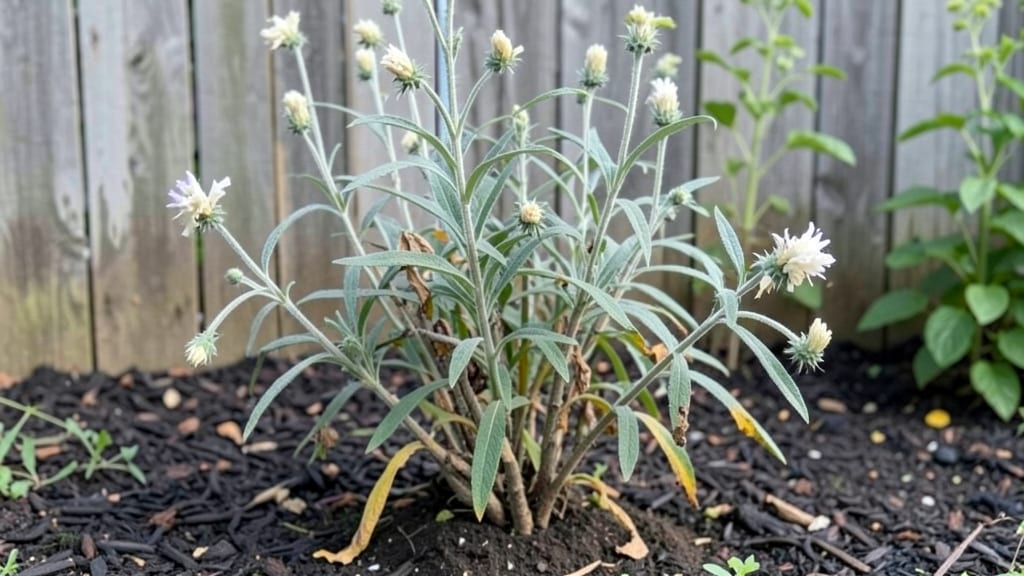
Growing a butterfly bush shrub starts with the right spot and a little patience—these plants reward you with six months of blooms if you nail the basics.
I planted mine in full sun last spring, and by summer, it was covered in purple spikes that attracted every butterfly in the neighborhood. The key isn’t just sunlight; it’s the well-draining soil and knowing when to prune for that second flush of flowers in fall.
Butterfly bushes thrive in zones 5-9, making them versatile for most gardens. They’re not picky about soil as long as it drains well—sandy loam works best—and they handle drought once established. Water deeply once a week during the first year, then let them go mostly dry.
The real magic happens when you prune back one-third of the oldest stems in early spring, which triggers fresh growth and nonstop blooms.
What you’ll end up with is a pollinator magnet that stays vibrant from June through frost. The flowers draw monarchs, hummingbirds, and bees while adding vertical interest to your landscape. Even better? They’re low-maintenance once they’re settled in—no fussing over deadheading or fertilizing like finicky annuals.
For best results, choose a variety like ‘Lo & Behold’ for compact growth or ‘Pink Delight’ for softer blooms. These shrubs grow 6-10 feet tall, so give them room to stretch out. Whether you’re a beginner or a seasoned gardener, this plant delivers effortless beauty with minimal work.
Root Causes of Pruning Struggles
When your Buddleia davidii (the butterfly bush shrub) isn’t thriving after pruning—or worse, seems to decline—it’s often due to a mix of environmental, biological, or human factors. Understanding these root causes helps you adjust your approach for healthier, more vibrant blooms.
Below, we break down the science behind why pruning backfires (or doesn’t deliver the expected results), along with actionable insights to fix it.
Butterfly bushes are resilient, but they hate aggressive pruning at the wrong time. These shrubs bloom on new wood (current season’s growth), meaning they rely on fresh stems to produce flowers.
If you prune too late in the season or cut back all the stems to the ground, you’re essentially removing the next year’s flower buds before they form.
- ⏳ Timing Matters: Prune after the first flush of flowers (late summer to early fall) to encourage a second bloom cycle. Avoid heavy cuts in spring—this removes potential flowering stems for the season.
- 🌿 Don’t Strip It Bare: Never cut back more than one-third of the plant’s height in a single pruning session. Over-pruning stresses the shrub, making it vulnerable to pests, disease, or even death.
- 🔍 Pro Tip: If your bush looks skeletal after pruning, you’ve likely gone too far. Aim to leave at least half the stems intact to support regrowth.
A butterfly bush that’s struggling post-pruning may already be battling hidden enemies. Pruning wounds create entry points for pests like aphids, spider mites, or fungal infections such as powdery mildew.
If the plant was weak before pruning (due to poor soil, drought, or neglect), it’s even more susceptible.
- 🐜 Common Culprits:
- Aphids: Cluster on new growth, sucking sap and leaving sticky residue (honeydew), which attracts sooty mold.
- Spider Mites: Thrive in dry conditions, causing yellowing leaves and fine webbing.
- Fungal Diseases: Like powdery mildew or root rot, which thrive in moist, poorly aerated soil.
- 💡 Prevention:
- Inspect the plant before pruning for signs of pests (e.g., webbing, holes, discolored leaves).
- Use sterilized tools (wipe blades with rubbing alcohol) to avoid spreading disease.
- Prune in dry, mild weather to reduce fungal spores in the air.
- 🔥 Treatment: Spray with neem oil or insecticidal soap for pests. For fungal issues, apply a copper-based fungicide before pruning to protect wounds.
Butterfly bushes are drought-tolerant once established, but they need well-draining soil to thrive. Pruning a shrub with compacted, waterlogged, or nutrient-poor soil accelerates stress. Similarly, inconsistent watering—either underwatering or overwatering—can stunt recovery.
- 🌍 Soil Issues to Check:
- Compacted Soil: Roots struggle to absorb oxygen, leading to root rot or poor nutrient uptake.
- Low Organic Matter: Without compost or mulch, the soil lacks essential microbes and nutrients.
- Wrong pH: Butterfly bushes prefer slightly alkaline to neutral soil (6.0–7.5). Acidic soil (below 6.0) locks out nutrients like phosphorus.
- 💧 Watering Do’s and Don’ts:
- ✅ Do: Water deeply once or twice a week (depending on climate) after pruning to encourage root growth. Mulch with 2–3 inches of organic material to retain moisture.
- ❌ Don’t: Let the soil dry out completely or stay soggy. Both extremes stress the plant.
- 🌱 Soil Fixes:
- Amend clay or compacted soil with compost or sand before planting or pruning.
- Test soil pH and add lime (to raise pH) or sulfur (to lower it) if needed.
Extreme temperatures, harsh winds, or urban pollution can weaken a butterfly bush, making it more sensitive to pruning. If your shrub is in a microclimate with sudden temperature swings (e.g., hot days followed by freezing nights), it may struggle to recover.
- 🌡️ Temperature Shocks:
- Pruning in late fall or winter exposes fresh cuts to frost, which can kill new growth.
- Sudden heatwaves after pruning dehydrate the plant faster than expected.
- 💨 Wind or Salt Exposure:
- Coastal areas with salty air or open spaces with strong winds dry out leaves and stems quickly.
- Solution: Plant in a sheltered spot or use a windbreak (like a fence or taller shrubs).
- 🌿 Urban Pollution:
- Smog or chemical runoff can disrupt photosynthesis, weakening the plant’s ability to heal.
- Solution: Avoid pruning during peak pollution hours (early morning/late evening) and rinse leaves with water if needed.
🎯 Key Takeaway: Most pruning problems stem from a combination of timing, health, and environment. By addressing these root causes—adjusting when and how you prune, protecting the plant from pests/disease, ensuring proper soil and water, and shielding it from extreme conditions—you’ll set your butterfly bush up for a stronger, more blooming comeback.
Revitalize Your Blooming Shrubs
Your butterfly bush shrub may be struggling, but with the right care, it can bounce back stronger than ever. Below are practical solutions to common issues, organized by cause, along with prevention tips to keep your shrub thriving year-round. Let’s get your shrub back to its vibrant, butterfly-attracting best!
Fix: Prune at the right time and with the right technique.
- When to prune: Late winter or early spring (before new growth starts) is ideal. Avoid heavy pruning in fall, as it can stimulate tender new growth that may not survive frost.
- How to prune: Use clean, sharp pruners to make cuts just above a leaf node or bud. Remove no more than one-third of the shrub’s total growth in a single season to avoid stress.
- Shape it up: Thin out crowded branches to improve airflow, which reduces disease risk. Focus on removing dead, weak, or crossing branches first.
✨ Pro Tip: If your shrub looks leggy, prune back some of the older stems to encourage bushier, more compact growth. This also helps stimulate new blooms!
Fix: Identify the root cause—water, nutrients, or pests—and address it promptly.
- Overwatering or poor drainage:
- Let the top 1-2 inches of soil dry out between waterings. Butterfly bushes prefer well-draining soil.
- If your shrub is in a container, ensure it has drainage holes. For in-ground plants, amend heavy clay soil with compost or sand.
- 💡 Quick Fix: If leaves are yellow and mushy, it’s likely overwatered. Hold off on watering until the soil is dry to the touch.
- Underwatering or drought stress:
- Water deeply 1-2 times per week during dry spells, ensuring moisture reaches the root zone (about 6-12 inches deep).
- Mulch around the base of the shrub with 2-3 inches of organic mulch (like shredded bark or wood chips) to retain moisture and regulate soil temperature.
- Nutrient deficiency:
- Yellow leaves with green veins often signal nitrogen deficiency. Apply a balanced, slow-release fertilizer (like 10-10-10) in early spring.
- For iron deficiency (yellowing between veins), use an iron chelate or apply compost tea to the soil.
- Pests or disease:
- Inspect leaves for aphids, spider mites, or powdery mildew. Spray affected areas with neem oil or insecticidal soap for pests. For mildew, improve airflow and apply a fungicide if needed.
Fix: Encourage flowering with proper pruning and care.
- Prune for blooms: Butterfly bushes flower on new wood, so pruning in late winter or early spring (before buds swell) promotes fresh growth and more blooms.
- Feed for flowers: Apply a low-phosphorus, high-nitrogen fertilizer (like 20-5-5) in early spring to support vigorous growth. Avoid high-phosphorus fertilizers, which can reduce flowering.
- Sunlight check: Ensure your shrub gets full sun (6+ hours daily). Inadequate light leads to sparse blooms. If shading is an issue, consider transplanting to a sunnier spot.
🎯 Prevention Tip: Deadhead spent blooms regularly to redirect the shrub’s energy into producing more flowers. Use sharp pruners to trim just above a leaf node.
Fix: Act fast to prevent damage and attract fewer pests.
- Aphids or spider mites:
- Spray with soapy water (1 tsp mild dish soap + 1 quart water) or neem oil to dislodge and kill pests.
- Introduce beneficial insects like ladybugs or lacewings to control outbreaks naturally.
- Japanese beetles:
- Handpick beetles early in the morning when they’re sluggish, or use milky spore (a natural bacterial treatment) for long-term control.
- Apply floating row covers to protect new growth if beetles are a recurring issue.
🔥 Prevention Tip: Keep your butterfly bush healthy and well-pruned—stressed plants attract more pests. Also, remove fallen leaves and debris around the base to reduce hiding spots for insects.
Fix: Adjust care based on seasonal extremes.
- Cold damage (blackened stems or buds):
- Choose cold-hardy varieties (like ‘Fastigiata’ or ‘Lo and Behold’) if you live in a colder climate.
- Mulch heavily (4-6 inches of mulch) in fall to insulate roots. Avoid mulching too close to the stem.
- In late winter, prune out damaged stems just above healthy growth.
- Heat or drought stress (wilting or crispy leaves):
- Water deeply and early in the day to reduce evaporation.
- Provide afternoon shade (using shade cloth) if your shrub is in a hot, dry microclimate.
- Mulch generously to lock in moisture and cool roots.
Fix: Minimize stress when relocating your shrub.
- Best time to transplant: Early spring or fall, when temperatures are mild.
- Dig carefully: Keep the root ball intact and as large as possible to reduce trauma. Water the shrub 24 hours before moving to keep roots hydrated.
- After transplanting:
- Water thoroughly and apply a root stimulator (like mycorrhizal fungi) to encourage establishment.
- Stake young or top-heavy shrubs temporarily to prevent wind damage.
- Avoid fertilizing for 4-6 weeks to let the roots recover.
✨ Pro Tip: If transplanting in summer, provide extra shade for the first few weeks to reduce stress.
With these solutions, your butterfly bush shrub should recover quickly and reward you with lush foliage and nonstop blooms for seasons to come. Stay consistent with care, and your shrub will thrive as the star of your landscape! 🌸🐝
Frequently asked questions
Why do butterfly bushes attract so many butterflies?
These shrubs produce fragrant, nectar-rich flowers that are irresistible to butterflies, especially monarchs. The long, tubular blooms provide easy access to nectar, making them a pollinator magnet. Planting one creates a year-round buffet for winged visitors from late spring through fall.
How fast do butterfly bushes grow?
Expect 3-5 feet per year under ideal conditions, though growth slows after 3-5 years when mature. Dwarf varieties like 'Lo & Behold' grow just 3-4 feet tall, while standard types can reach 10 feet. Prune annually to control size and shape.
Can butterfly bushes spread aggressively?
Yes, they're considered invasive in some regions due to their prolific seeding. The lightweight seeds travel easily on wind and water. To control spread, remove seed heads before they mature or plant in containers. Regular pruning also helps manage growth.
What's the best fertilizer for butterfly bushes?
A balanced, low-phosphorus fertilizer (like 10-10-10) applied in early spring promotes healthy growth. Avoid high-phosphorus blends which can reduce flowering. For established plants, compost or worm castings work well too - just work them into the soil annually.
How do I winterize my butterfly bush?
Mulch heavily with 4-6 inches of organic material around the base to insulate roots. In colder zones (zone 5), wrap young plants with burlap or use frost cloth. Never prune in late fall - wait until early spring to avoid exposing tender new growth to frost.