
Pruning
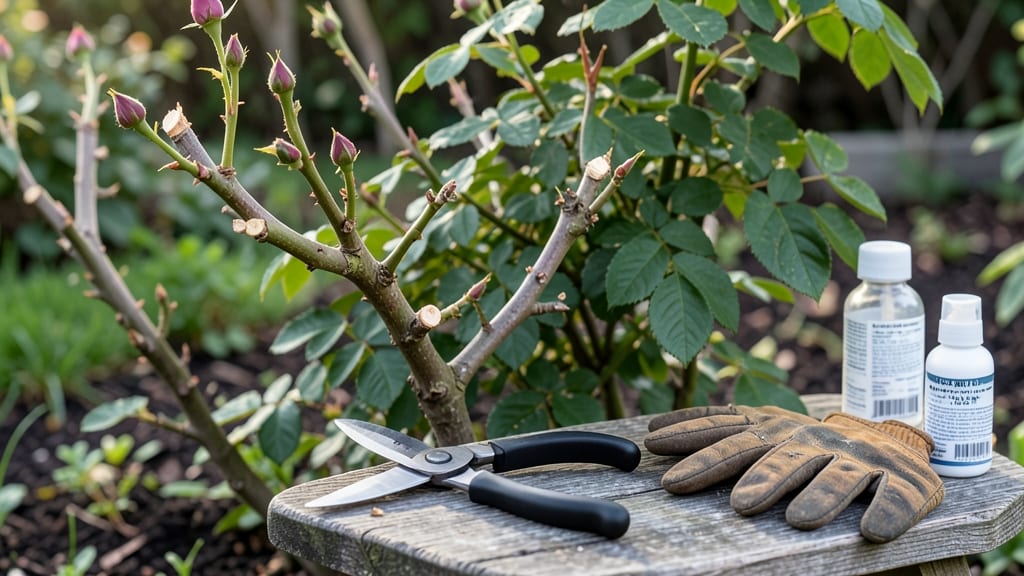
Cutting back shrub roses at the right time—just as new buds swell but before the last frost—is the secret to stronger blooms and healthier canes.
Struggling to decide when to prune your shrub roses? Timing is everything—cut too early, and you risk winter damage; wait too long, and you sacrifice spring blooms. This guide reveals the perfect late-winter window for revitalizing your roses while maximizing next season’s flowers.
In USDA Zone 6a, like many temperate regions, the ideal window opens in late February or early March—after the coldest snaps but before buds burst. Miss this, and you might prune off next year’s blooms or invite disease by cutting into tender new growth.
Below, I’ll walk you through the exact steps, tools, and regional tweaks to prune your 🌹 shrub roses like a pro—so you’re left with a bush that thrives, not one that struggles.
The ideal late-winter timeline for cutting back shrub roses
Late winter is the perfect window to prune shrub roses—but timing matters. Cut too early, and you risk exposing tender canes to frost damage. Wait too long, and you delay spring blooms. The key is balancing bud formation with frost-free conditions, which varies by USDA zone.
In Zone 3-5, prune after the last hard frost; in Zone 6-10, aim for early February to March. Always prune when daytime temps stay above 40°F (4°C).
Your shrub roses rely on dormant buds hidden along their canes to produce next year’s blooms. These buds form in late summer but need protection until spring. Pruning too soon removes potential blooms, while waiting too long risks overcrowded canes and pest infestations.
The best time to prune is when you see swollen buds but before new growth emerges. This usually falls between late February and early April, depending on your climate.
Here’s how to adjust your pruning schedule based on your USDA zone and local frost patterns:
| USDA Zone | Ideal Pruning Window | Key Cue | Avoid Pruning If |
|---|---|---|---|
| 3-5 | Late March to early April | Daytime temps >45°F (7°C) | Frost predicted within 3 days |
| 6-7 | Early February to mid-March | Swollen buds visible | Nighttime temps <30°F (-1°C) |
| 8-10 | January to early February | No frost forecast | Rainy or humid conditions |
In Zone 3-5, where winters are harsh, prioritize waiting for stable warmth. A late-March pruning ensures your roses have recovered from winter dormancy. Look for green tips on canes—this signals it’s safe to cut.
In Zone 6-7, you can prune as early as February, but always check the 10-day forecast for frost warnings. If you’re in Zone 8-10, January pruning is ideal, as mild winters mean less frost risk.
Regional microclimates also play a role. If you live in a coastal area with milder winters, prune earlier (e.g., January). Inland or high-altitude gardens may need to delay until April. Observe your local last frost date—prune at least 2-3 weeks after this date to avoid stressing your roses.
For example, in Zone 6, where last frost is typically mid-April, aim to finish pruning by early April.
Don’t rely solely on the calendar. Visual cues are your best guide. Look for swollen buds along the canes—these indicate the plant is ready to grow. If you see green shoots emerging, you’ve waited too long.
Conversely, if canes are still brown and brittle, delay pruning until conditions improve. Pro tip: Use a magnifying glass to inspect buds if they’re hard to spot with the naked eye.
After pruning, focus on post-care to set your shrub roses up for success. Apply a 2-inch layer of mulch around the base to retain moisture and regulate soil temperature. Water deeply once a week if rainfall is scarce, ensuring the root zone stays moist.
Avoid fertilizing immediately—wait until new growth appears (usually 4-6 weeks post-pruning). A balanced fertilizer (e.g., 10-10-10) applied in early spring will encourage robust blooms.
Pruning shrub roses isn’t just about cutting back old growth—it’s about shaping for airflow and removing dead wood. Aim to reduce canes by one-third to open the center of the plant. This reduces disease risk and ensures sunlight reaches all parts of the shrub.
Use clean, sharp pruners to make cuts at a 45-degree angle, just above an outward-facing bud. Disinfect your tools with rubbing alcohol between cuts to prevent spreading bacteria.
If you’re unsure whether to prune, ask yourself: Are my roses overcrowded? Do they have dead or diseased canes? Are the blooms sparse compared to previous years? These are clear signs it’s time to prune.
However, if you see buds swelling but haven’t pruned yet, hold off—you’ll sacrifice next season’s flowers. Remember, patience pays off with shrub roses. A well-timed prune can double your bloom count and keep your shrubs healthy for years.
How to prune shrub roses for maximum blooms: step-by-step technique
Pruning your shrub roses correctly transforms them from tangled messes into vibrant, blooming powerhouses. The key lies in timing, cutting angles, and removing dead wood—all while shaping for better airflow.
I’ve pruned my own roses for over a decade, and these steps guarantee healthier growth and more abundant flowers next season.
First, gather your tools: sharp bypass pruners, disinfectant (to prevent disease), and gloves. Work on a dry, sunny day when temperatures hover between 40°F and 60°F.
Avoid pruning after rain or during extreme heat, as these conditions stress the plant. Now, let’s dive into the step-by-step technique that will give your roses a fresh start.
-
Step 1: Remove Dead or Diseased Wood
Cut out any blackened, mushy, or hollow canes at the base. These won’t regrow and can harbor pests. -
Step 2: Identify Suckers and Weak Growth
Look for suckers (shoots growing from the base or graft union) and thin, spindly canes. Cut these back to 1/4-inch above a healthy bud. -
Step 3: Shape for Airflow
Thin out crossing branches and those growing inward. Aim for an open vase shape to reduce humidity and disease risk. -
Step 4: Cut at the Right Angle
Make 45-degree slants just above an outward-facing bud. This encourages growth away from the center. -
Step 5: Clean Up and Disinfect
Rake up and dispose of clippings (don’t compost diseased ones). Wipe tools with rubbing alcohol to prevent spread.
One common mistake I see is over-pruning, which removes too many flower buds and weakens the plant. Never cut back more than 1/3 of the shrub’s total growth in a single session.
Another pitfall is uneven cuts, which can leave jagged edges prone to disease. Always use clean, sharp tools to make precise cuts.
After pruning, your shrub roses will need extra care. Water deeply to help them recover, and apply a balanced fertilizer (like 10-10-10) in early spring to encourage new growth.
Mulch around the base to retain moisture and protect roots. Within weeks, you’ll notice fresh green shoots and a more open, airy structure—perfect for next season’s blooms!
Pro tip: Take a before-and-after photo of your pruned roses. It’s amazing how much more structured and healthy they look after just a few cuts. If you’re unsure about a cut, err on the side of caution—you can always prune more later, but you can’t undo over-pruning. Happy pruning! ✂️🌹