
Pruning
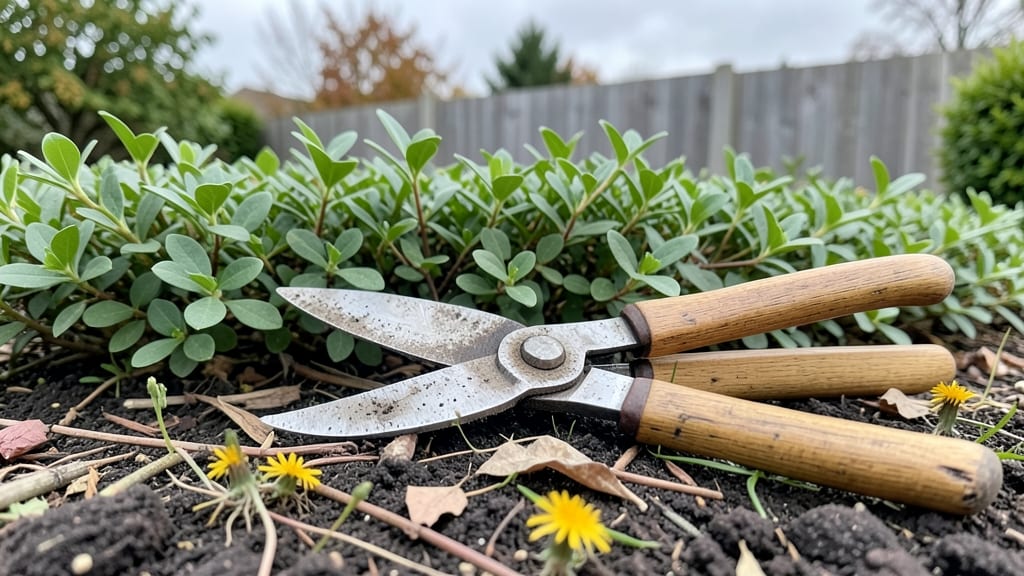
Finding the right pruning shears for shrubs can turn a messy chore into a game-changer for your yard. ✂️ I’ve tried everything from cheap drugstore clippers to high-end bypass shears, and the difference in clean cuts and ease of use is night and day.
The best shears for shrubs balance sharpness, leverage, and comfort—especially when you’re shaping roses or trimming back overgrown boxwoods.
Thick branches need bypass shears with 6- to 8-inch blades, while delicate stems like hydrangeas do better with 4-inch anvil shears for precision. Look for stainless steel blades that stay sharp longer and ergonomic handles to reduce hand fatigue during long sessions.
My go-to pair has a locking blade for safety and a non-slip grip, which makes trimming 50 bushes a lot less painful.
With the right shears, you’ll see cleaner cuts that heal faster, fewer jagged edges that invite disease, and shrubs that look neat and intentional instead of hacked. The key is using them at the right time—late winter or early spring for most shrubs—when new growth is just starting.
A sharp blade makes all the difference between a professional finish and a botched job.
Here’s the thing—even the best shears need care. A quick wipe-down after use, occasional oiling of the pivot point, and annual sharpening keep them performing like new. And always prune above a bud or branch to encourage healthy regrowth. Let’s get those shrubs shaped up right.
📚 In This Guide
- What you need
- Instructions
- Tips and common mistakes
- Wrapping up and next steps
What you need
- ● Pruning shears (bypass or anvil type) – Choose bypass shears (recommended for clean cuts) with 4.5" to 6" blades for medium to large shrubs. For small shrubs, 4" blades work well.
- ○ Loppers (optional but helpful) – For thicker branches (3/4" to 1.5" diameter). Look for 8" to 12" blades with a longer handle for leverage.
- ○ Pruning saw (optional) – For branches thicker than 1.5". A curved-tooth saw prevents tearing wood.
- ● Gloves (heavy-duty gardening gloves) – Protect your hands from thorns, sap, or rough branches. Leather or reinforced fabric works best.
- ● Disinfectant (rubbing alcohol or bleach solution) – Clean shears between cuts to prevent disease spread. A 70% isopropyl alcohol wipe is convenient.
- ● Sharpener or honing tool – Keep blades razor-sharp for clean cuts. A file or diamond sharpener works well.
- ● Bucket or bag (for trimmings) – A 5-gallon bucket or heavy-duty trash bag for collecting pruned branches.
- ● Extension pole (for tall shrubs) – Attach shears to a 3- to 6-foot pole to reach high branches safely.
- ● Knee pads or stool – For comfort during long pruning sessions.
- ○ Pruning sealant (optional) – Helps large wounds heal faster (e.g., tree wound dressing).
- ● Notebook & pen – To jot down notes on pruning patterns or shrub care tips.
Step-by-Step guide to pruning shrubs with precision shears
Mastering the right technique transforms pruning from a chore into a way to sculpt stronger, more productive shrubs.
🪴 Step 1: Choose the Right Shears for the Job
Select bypass pruning shears for clean cuts on stems up to ¼ inch thick—their sharp, scissor-like blades create minimal damage. For thicker branches, use loppers (up to 1½ inches thick) or a pruning saw for anything larger. I always check blade sharpness first—dull shears crush stems instead of cutting cleanly, inviting disease.
Hold the shears parallel to the branch and open them fully before positioning. This ensures maximum leverage for clean cuts without bending the handles. Avoid using hedge shears for individual shrubs—they create jagged edges that slow healing and encourage pests.
✂️ Step 2: Time Your Pruning for Optimal Growth
Prune most shrubs late winter or early spring (just before new growth begins) to encourage vigorous spring blooms. For spring-flowering shrubs like lilacs, wait until right after blooming—cutting back too early removes next season's flower buds. Evergreens can be shaped anytime, but avoid heavy pruning in late summer or fall when new growth won't harden off before winter.
Work on dry, sunny days when humidity is low—this prevents fungal spores from landing on fresh cuts. I always prune in the morning when plants are hydrated but dew has dried, reducing stress on the shrub. Never prune when frost is forecasted within 48 hours.
🌿 Step 3: Make Clean Cuts at the Right Angle
Locate the bud just below where you'll cut—this is where new growth will emerge. Angle your cut just above the bud, at a 45-degree slope, to shed water away from the stem. Cut ¼ inch above the bud on upright stems or ⅛ inch above on horizontal branches to prevent water pooling.
Use a smooth, single motion—don't saw back and forth. The blade should glide through cleanly without tearing bark. If you hear resistance, stop and sharpen your shears immediately. For larger branches, make the cut outside the branch collar (the swollen area at the branch's base) to preserve the shrub's natural healing mechanism.
💧 Step 4: Remove Dead, Diseased, or Crowded Growth
Start by removing dead wood—it's gray, brittle, and won't snap when bent. Cut back to live green tissue or the branch collar. Next, look for crossing branches rubbing together (they create wounds) or inward-growing branches that block light from the center. These should be removed at their point of origin.
Thin out overcrowded areas to improve air circulation—aim for open centers where sunlight can reach all parts of the shrub. I never remove more than ⅓ of the shrub's foliage in one season, as this stresses the plant. After pruning, rake up and dispose of all clippings to prevent fungal spread.
⏰ Step 5: Clean and Store Your Shears Properly
After use, wipe blades with rubbing alcohol to remove sap and prevent rust. Store shears in a dry place with blades closed but not locked—this maintains their edge. I keep mine in a tool roll with a silica gel packet to absorb any lingering moisture. Sharpen blades 2-3 times per season using a file or whetstone designed for pruning tools.
Never leave shears outside or in damp areas—they'll corrode quickly. If you notice blades developing a white powdery residue, soak them in vinegar for 10 minutes, then scrub with a wire brush before drying. Proper maintenance ensures your shears stay sharp for 5-10 years, saving you money and making pruning effortless.
Tips & tricks for perfect shrub pruning with precision shears
Precision pruning transforms your shrubs from overgrown messes into sculpted, healthy specimens—here’s how to elevate your technique.
The Tool Factor: Don’t settle for basic hedge shears—they create jagged cuts that invite disease. In Step 1, invest in quality bypass pruning shears for stems up to ¼ inch thick. For thicker branches, switch to loppers (up to 1½ inches) or a pruning saw. I’ve found that maintaining a dedicated tool for each size prevents cross-contamination of sap and pathogens between cuts.
Timing Secret: The 48-hour frost rule in Step 2 is non-negotiable. Pruning when frost is forecasted stresses plants by exposing fresh cuts to freezing temperatures. For spring-flowering shrubs, wait until after blooming to preserve next year’s buds. I’ve ruined two lilac bushes by pruning too early—don’t make my mistake!
Cutting Technique: In Step 3, that 45-degree angle isn’t just aesthetic—it’s about water runoff. Make your cut just above the bud, outside the branch collar, and avoid tearing bark. If you hear resistance, stop immediately and sharpen your blades. I learned this the hard way when a stubborn branch left a ragged edge that took months to heal.
Safety First: Always wear gloves when removing dead wood in Step 4. Diseased branches can harbor spores that cause infections like powdery mildew. After pruning, sanitize your shears with rubbing alcohol (as mentioned in Step 5) to prevent spreading pathogens between plants. I keep a small bottle in my tool belt for quick cleanups.
Pro Tips for Pruning Shears For Shrubs
- Precision pruning transforms your shrubs from overgrown messes into sculpted, healthy specimens—here’s how to elevate your technique.
- The Tool Factor: Don’t settle for basic hedge shears—they create jagged cuts that invite disease.
- Timing Secret: The 48-hour frost rule in Step 2 is non-negotiable.
Frequently asked questions
Got questions about choosing, using, or maintaining pruning shears for shrubs? You’re not alone! Here are some of the most common queries—plus clear, no-nonsense answers to help you prune like a pro.
What’s the best type of pruning shears for shrubs?
For shrubs, bypass pruning shears are the gold standard—they deliver clean cuts without crushing stems. If you’re tackling thicker branches (up to ½ inch), opt for bypass shears with a 6- to 8-inch blade. For delicate shrubs like hydrangeas, anvil shears (budget-friendly) work, but they can bruise stems. Pro tip: Look for stainless steel blades to resist rust and last longer.
When is the best time to prune shrubs?
Timing depends on the shrub! Late winter or early spring (before new growth) is ideal for most shrubs—it promotes healthy blooms and prevents disease. Flowering shrubs like lilacs or azaleas should be pruned right after blooming. Evergreens (e.g., boxwoods) can be pruned lightly in early spring or fall. Never prune in fall if your area gets harsh winters—dormant plants are vulnerable to frost damage.
How do I keep my pruning shears sharp and rust-free?
Sharp shears = clean cuts = happier shrubs! After each use:
- Wipe blades with a damp cloth to remove sap.
- Apply a light coat of mineral oil (not WD-40!) to prevent rust.
- Store shears in a dry place or hang them.
For sharpening, use a file or whetstone (or take them to a sharpening service). Pro tip: Hone blades every 3–4 months—dull shears tear stems, inviting disease.
Can I use hedge trimmers instead of pruning shears?
Hedge trimmers are great for large, flat surfaces (like boxwood hedges), but they’re not a replacement for pruning shears. Trimmers can over-prune, create uneven cuts, and damage shrub structure. Use shears for detailed shaping, deadheading, or thinning—reserve trimmers for bulk work. Exception: If your shrub is overgrown and thick, start with trimmers, then refine with shears.
Why are my shrubs looking sad after pruning?
Sad shrubs usually mean one of three things:
- Over-pruning: Never remove more than ⅓ of the shrub’s foliage in one season.
- Wrong timing: Pruning flower buds in fall/winter (e.g., spring-bloomers) can reduce next year’s blooms.
- Dirty tools: Bacteria/fungi from unsterilized shears can cause dieback. Wipe blades with rubbing alcohol between cuts.
Fix it: Water deeply, avoid fertilizing for 4–6 weeks, and monitor for pests. If branches die, prune them out below the damage to encourage new growth.
Wrapping up and next steps
Choosing the right pruning shears for shrubs is your first step toward achieving that showcase-worthy garden! With the perfect tool in hand, you’ll make cleaner cuts, promote healthier growth, and save time—all while keeping your shrubs looking their best. 🌿✂️
Now that you’re armed with knowledge, grab your shears and get pruning! Start with one shrub at a time, and soon, your outdoor space will be thriving. Happy gardening!