
Pruning
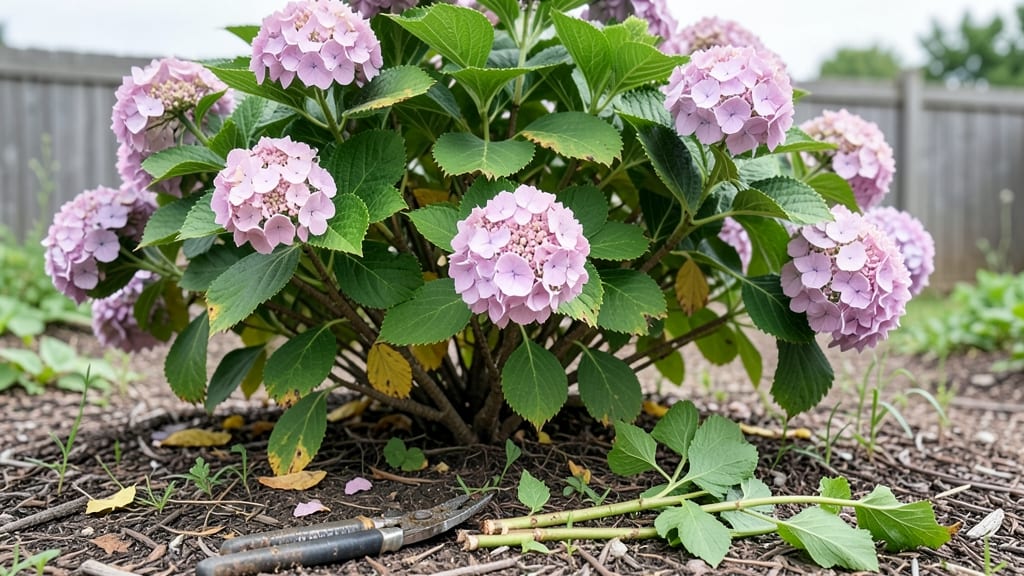
Pruning flowering shrubs at the right time and with the right cuts is the difference between a bush that thrives and one that struggles to bloom.
I’ve spent years perfecting this skill, and the secret lies in understanding whether your shrub flowers on old wood or new growth—because getting that wrong means fewer blooms next season. The right timing and technique keep your plants healthy, vigorous, and packed with flowers year after year.
Most people reach for the wrong tools or prune at the wrong time, which can set back blooming for months. You’ll need sharp bypass pruners, loppers for thicker branches, and a clean cutting surface to avoid tearing bark.
For spring bloomers like lilacs or forsythia, prune right after they finish flowering; for summer bloomers like hydrangeas or butterfly bush, wait until late winter or early spring before buds swell. This timing ensures you never cut off next year’s flowers.
With the right approach, your shrubs will reward you with fuller, more vibrant blooms and a stronger structure. You’ll see new growth emerge within weeks, and the plant will invest energy in flowers instead of damaged branches.
The key is patience—pruning isn’t about drastic changes but about shaping and encouraging growth over time. Let’s get those shrubs looking their best.
This method works for everything from small patio shrubs to large landscape specimens, and it adapts to different climates. Whether you’re dealing with a single hydrangea or a row of flowering hedges, the principles stay the same.
The goal is always the same: healthy, blooming shrubs that bring color to your garden for seasons to come.
📚 In This Guide
- What you need
- Instructions
- Tips and common mistakes
- Wrapping up and next steps
What you need
- ● Bypass pruners: Sharp, high-quality pruners (e.g., Felco or Fiskars) for clean cuts on small stems (2–3" handles for precision).
- ● Loppers: For thicker branches (½"–1" diameter), with long handles (30–36") for leverage.
- ● Pruning saw: A curved-tooth saw (8–10" blade) for stubborn, woody stems (1"–2"+ diameter).
- ● Gloves: Heavy-duty, cut-resistant gloves (e.g., Mechanix or gardening-specific) to protect hands from thorns and sap.
- ● Disinfectant (70% isopropyl alcohol or bleach solution): Clean tools between cuts to prevent disease spread (1 part bleach to 9 parts water).
- ● Hand pruners (for detail work): Smaller, anvil-style pruners for delicate trimming (e.g., deadheading).
- ● Extension pole saw: For high branches (10–12 ft reach) to avoid ladders.
- ○ Pruning sealant: (e.g., Tanglefoot Tree Wound Pruning Seal) for large cuts (optional; debate exists on its effectiveness).
- ● Safety glasses: Protect eyes from debris, especially when sawing.
- ● Bucket or tarp: Collect clippings for composting or disposal.
- ● Research your shrub: Know if it’s spring-bloomer (prune after flowering) or summer-bloomer (prune in late winter/early spring).
- ● Check the weather: Prune on a dry, calm day to avoid spreading disease or damaging the plant.
- ● Safety first: Wear long sleeves/pants and closed-toe shoes to protect from thorns or falling branches.
Step-by-step instructions for pruning flowering shrubs
Here's my go-to method for keeping your flowering shrubs lush and blooming year after year.
Identify the Right Time to Prune
Timing matters more than technique for flowering shrubs. Most bloom on last year's growth, so prune right after they finish flowering—typically in late spring or early summer. For spring-blooming shrubs like lilac or forsythia, wait until after the flowers fade but before new buds form. Summer-bloomers like hydrangea or butterfly bush can handle light pruning throughout the growing season.
I always check the plant's natural cycle first. If you see seed pods forming, that's your cue—pruning then can remove next year's flowers. For example, prune your lilac after those fragrant purple clusters drop, but leave the summer-blooming roses until after their first flush of flowers.
Gather Your Tools and Prepare the Workspace
You'll need sharp, clean pruning shears for small branches and loppers for thicker stems. A disinfectant spray (like rubbing alcohol) keeps tools sterile between cuts, preventing disease spread. Wear gloves—some shrubs have thorns or irritating sap. Lay down a tarp or old sheet to collect debris easily.
I always sharpen my shears before starting. Dull blades tear stems instead of making clean cuts, which slows healing and invites pests. Wipe down tools with disinfectant between each plant to avoid transferring fungal spores. Work on a dry day—wet branches are harder to see and increase the risk of spreading disease.
Remove Dead, Diseased, or Crossing Branches First
Start by cutting out any dead wood—it's brown, brittle, and doesn't bend when you test it. Next, remove branches with disease or pest damage, like holes from borers or blackened spots from fungal infections. Cut these back to healthy tissue, angling the cut slightly upward to encourage water runoff.
Look for branches that rub against each other or grow inward. These "crossing branches" compete for resources and can create entry points for disease. I like to step back every few cuts to visualize the shrub's shape. Removing these first opens up the center, improving airflow and light penetration for the remaining branches.
Shape the Shrub for Airflow and Light
Now focus on thinning out the interior to let light reach the center. Aim to remove no more than 25% of the shrub's foliage in one season—this keeps it healthy without shocking the plant. Cut branches back to an outward-facing bud or side branch to encourage growth in the right direction.
For a natural look, I avoid harsh geometric cuts. Instead, I follow the plant's natural lines, removing branches that spoil the shape. If a branch is too long, cut it back to a point where it still looks balanced. Always make cuts just above a leaf node or bud—this is where new growth will emerge.
Finish with Light Maintenance Cuts
After the main pruning, do a final walkthrough. Trim any suckers (shoots growing from the base or along the stem) and water sprouts (fast-growing, weak stems). These steal energy from the main plant. Cut them back to the ground or to a strong side branch.
I like to finish with a light cleanup. Rake up all debris and dispose of it—don't compost diseased branches. Water the shrub deeply after pruning to help it recover. Avoid heavy fertilizing right after; let the plant focus on healing before pushing new growth. You'll see stronger blooms next season if you follow this routine.
Tips & tricks for pruning flowering shrubs
A few key tricks will help you prune like a pro and keep your flowering shrubs thriving for seasons to come.
The Timing Secret: When in doubt about timing, check for seed pods—these mean next year's flowers are already forming. For spring bloomers like lilac, wait until after those purple clusters completely fade and brown. For summer bloomers like hydrangea, you can do light pruning throughout the growing season, but avoid heavy cuts after mid-summer or you'll sacrifice next year's flowers. I keep a small calendar with bloom times for my shrubs to avoid mistakes.
Tool Preparation Matters: Never skip sharpening your pruning shears before starting. Dull blades crush stems instead of making clean cuts, which creates larger wounds that take longer to heal. I test my shears by making a clean cut through a small branch—if it tears instead of slicing, it's time to sharpen. Also, always disinfect tools between plants to prevent spreading disease. A quick wipe with rubbing alcohol between cuts keeps your workspace sterile.
Visualizing the Shape: Step back every few cuts to visualize the overall shape you're creating. Remove branches that grow inward or cross others first—they're the easiest to spot when you're close up. For a natural look, follow the plant's natural lines rather than making geometric cuts. I imagine the shrub's ideal shape before I start, then work toward that vision by removing only what's necessary.
Post-Pruning Care: After finishing, water deeply to help the plant recover from the stress of pruning. Avoid fertilizing right away—let the plant focus on healing before pushing new growth. I also make a habit of disposing of all pruned debris, especially diseased branches, to prevent problems next season. This simple cleanup step makes a big difference in long-term plant health.
Pro Tips for Prune Flowering Shrubs
- A few key tricks will help you prune like a pro and keep your flowering shrubs thriving for seasons to come.
- The Timing Secret: When in doubt about timing, check for seed pods—these mean next year's flowers are already forming.
- Tool Preparation Matters: Never skip sharpening your pruning shears before starting.
Frequently asked questions
Got questions about pruning flowering shrubs?
You’re not alone! Here are answers to the most common queries to help you prune like a pro—without stressing over mistakes.
When is the best time to prune flowering shrubs?
The ideal timing depends on your shrub’s blooming habit:
- Spring bloomers (e.g., lilacs, forsythia): Prune right after flowering to avoid cutting off next year’s buds.
- Summer/fall bloomers (e.g., hydrangeas, abelia): Prune in late winter or early spring (before new growth starts).
Pro tip: Never prune when buds are forming—this can reduce (or even eliminate) blooms!
Can I prune flowering shrubs in winter?
It depends! Dormant-season pruning (late winter) is safe for summer/fall bloomers but risky for spring bloomers. Winter pruning can also stress tender shrubs in cold climates. If you must prune in winter, wait until after the worst frost and avoid heavy cuts.
How much should I cut back flowering shrubs?
Most flowering shrubs thrive with 1/3 of their oldest growth removed annually. For example:
- Light pruning: Trim dead or crossing branches to improve airflow.
- Moderate pruning: Cut back 1/3 of the oldest stems to rejuvenate growth.
- Avoid drastic cuts (e.g., 50%+ reduction) unless rejuvenating an overgrown shrub—this can shock the plant.
Use sharp tools and make cuts at a 45-degree angle just above a bud or branch collar.
What if I prune at the wrong time and my shrub doesn’t bloom?
Don’t panic! Most shrubs are resilient. If you pruned too late (e.g., after spring blooms formed), they may skip blooming that year but often bounce back. To help:
- Fertilize lightly in early spring with a balanced formula (10-10-10).
- Water deeply after pruning to reduce stress.
- Monitor for pests/diseases—stressed plants attract issues.
Next year, adjust your timing based on the shrub’s blooming cycle.
Are there any flowering shrubs that don’t need pruning?
Some low-maintenance options include:
- Butterfly bush (Buddleia) – Tolerates minimal pruning but benefits from light shaping.
- Dwarf gardenia – Prune only to remove dead wood or encourage bushiness.
- Potentilla – Hardy and forgiving; prune lightly to maintain shape.
Even these shrubs can be pruned—just avoid overdoing it! For most, annual light pruning keeps them healthy and blooming.
Wrapping up and next steps
Pruning flowering shrubs doesn’t have to be intimidating—with the right timing and technique, you’ll encourage vibrant blooms and stronger growth for seasons to come! 🌸 Remember to always use clean tools, follow the plant’s natural growth patterns, and never over-prune.
Now that you’re armed with these tips, grab your shears and give your shrubs the care they deserve.
Ready to take the next step? Start small—pick one shrub and practice your pruning skills. Over time, you’ll build confidence and help your garden thrive! 🌿