
Pruning
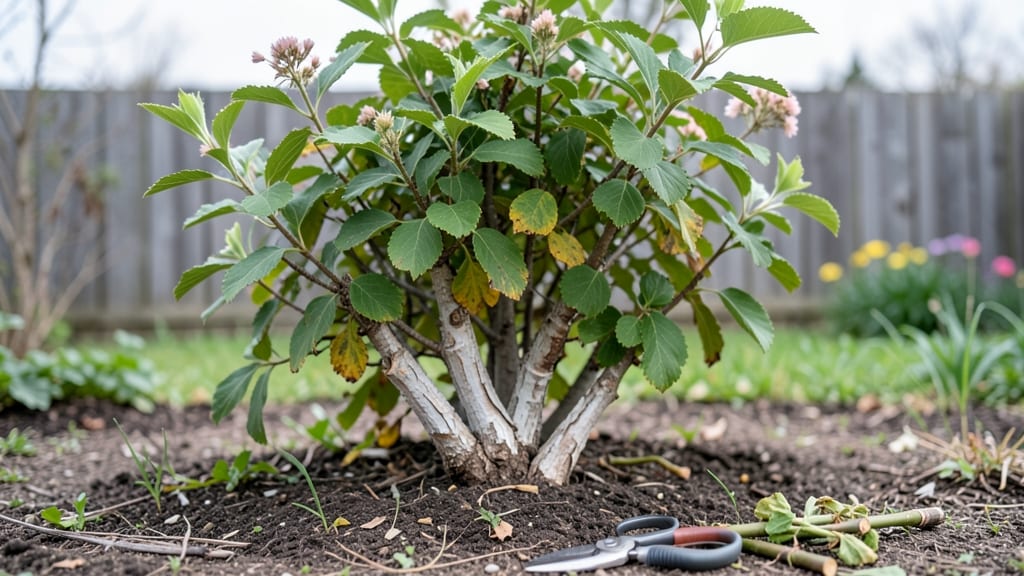
Pruning ninebark shrubs keeps them looking sharp and growing strong—it’s the secret to those vibrant green leaves and lush foliage that makes neighbors stop and stare. 🌿 I’ve been pruning mine for years, and the difference between a well-maintained bush and one that looks like a tangled mess is all about timing and technique.
The right cuts encourage new growth while keeping the shape you want, whether that’s a neat hedge or a loose, natural look.
You’ll need just a few tools: sharp pruners for clean cuts, gloves to protect your hands, and maybe a small saw for thicker branches. The best time to prune is late winter or early spring, right before new growth starts—this gives your ninebark a fresh start for the season.
If you’re dealing with an overgrown bush, rejuvenation pruning in stages over a few years works better than hacking everything back at once.
What you’ll end up with is a ninebark that looks neat and healthy all year, with fewer dead branches and more vibrant foliage. The key is cutting just above a bud or leaf node, and never removing more than a third of the plant in one go.
With the right approach, your shrubs will bounce back faster and stay lush longer—no more struggling with tangled, leggy growth.
This method works for all ninebark varieties, whether you’re shaping a formal hedge or letting it grow wild in a naturalistic garden. Once you master the basics, you’ll see the difference in just a few seasons. Let’s get those pruners ready!
📚 In This Guide
- What you need
- Instructions
- Tips and common mistakes
- Wrapping up and next steps
What you need
- ● Pruning shears (bypass or anvil type) – Choose sharp, high-quality shears (4-6" blades) for clean cuts on smaller stems.
- ● Loppers (for thicker branches) – Opt for bypass loppers (8-10" blades) for stems up to 2" in diameter.
- ● Pruning saw (if needed) – A curved-tooth saw for branches thicker than 2".
- ● Gloves (heavy-duty gardening gloves) – Protect your hands from thorns and rough bark.
- ● Disinfectant (rubbing alcohol or pruning sealant) – Sanitize tools between cuts to prevent disease spread.
- ● Pruning paint or sealant – Apply to large cuts (over ½") to prevent pests/disease entry.
- ● Ladder or step stool – For reaching higher branches safely.
- ● Trash bags or compost bin – To dispose of pruned debris neatly.
- ● Sharpie or marker – For labeling branches if you’re doing structured pruning.
- ● Check the weather—prune on a dry, overcast day (avoid pruning in extreme heat or wet conditions).
- ● Wear long sleeves and pants to protect against thorns and scratches.
- ● Have a clear plan—sketch or mentally map out which branches to remove (dead, crossing, or overcrowded).
Step-by-step instructions for pruning ninebark shrubs
Here’s the method I’ve used for years to keep ninebark shrubs lush, healthy, and perfectly shaped.
✂️ Step 1: Prune in Early Spring for New Growth
Start by removing any dead, diseased, or crossing branches first—these are your top priorities. Use clean, sharp pruners to make smooth cuts just outside the branch collar, where the branch meets the trunk. This prevents unsightly stubs and promotes faster healing.
Next, shape the shrub by cutting back last year’s growth to about 6-12 inches from the ground. Ninebark responds well to hard pruning, so don’t be afraid to trim aggressively. You’ll notice new buds forming along the stems—these will sprout into fresh, vibrant foliage. If your shrub is overgrown, break the pruning into two sessions over a few weeks to avoid shocking the plant.
✂️ Step 2: Light Pruning in Late Spring to Encourage Bloom
Once the new growth appears in late spring, do a lighter cleanup. Remove any weak or spindly stems that didn’t develop properly, as well as any branches growing inward. Cut these back to their point of origin or to a strong outward-growing bud. This keeps the center of the shrub open and airy, reducing the risk of fungal diseases.
Watch for water sprouts—those fast-growing, vertical shoots that pop up in the center. Snip these off at the base, as they drain energy from the rest of the plant. A quick pass with pruners now ensures your ninebark stays full and bushy rather than leggy and sparse.
✂️ Step 3: Minimal Summer Pruning for Shape and Health
Summer is for touch-ups only. Deadhead spent blooms by cutting just above a set of healthy leaves to encourage more flowers. Avoid heavy pruning now—it can stimulate tender new growth that’s vulnerable to late-season frosts or pests. If you notice any branches rubbing together, trim one of them back to prevent damage.
Keep an eye out for any branches that look stressed or diseased. Remove these immediately with sterilized pruners, and dispose of the clippings far from the shrub to prevent reinfection. A little maintenance now saves a lot of work later.
✂️ Step 4: Clean Up in Late Fall or Early Winter
In late fall, remove any dead or dying stems from the previous season. These branches are no longer contributing to the plant’s health and can harbor pests or diseases over winter. Cut them back to the base or to a strong lateral branch. This also makes it easier to see the shrub’s structure for next year’s pruning.
Rake up and dispose of all fallen leaves and debris around the base of the shrub. Ninebark is hardy, but keeping the area clean reduces the risk of fungal issues. If your shrub looks particularly ragged, a light shaping trim in early winter can set you up for a stunning spring display.
Tips & tricks for perfect ninebark shrub pruning
Keeping your ninebark shrubs thriving year-round takes a few key tricks that most gardeners miss.
Timing is Everything: Early spring is the absolute best time for that aggressive pruning—right when you see those new buds starting to swell. I learned this the hard way by pruning too early one year and nearly missed the entire growing season. The 6-12 inch cut back in Step 1 gives your shrub just enough energy to explode with fresh growth without becoming overwhelmed. Trust me on this—your shrub will thank you with vibrant foliage all season.
Tool Prep Prevents Problems: Sterilize your pruners between cuts, especially when dealing with diseased branches. I use a 1:9 ratio of bleach to water solution to wipe down my tools after each cut. This simple step prevents fungal spores from spreading to healthy parts of your shrub. Also, make sure your blades are sharp—dull tools crush stems instead of making clean cuts, which invites infections. A quick test: if you're struggling to cut through a branch, your pruners need sharpening.
Water Sprout Watch: Those vertical water sprouts growing in the center of your shrub are energy vampires. They might look harmless, but they steal nutrients from your shrub's main structure. In Step 2, I make it a habit to do a full circle around the shrub looking for these sneaky little shoots. Snip them at the base—you'll notice a dramatic difference in how full and bushy your ninebark becomes by summer. It's like giving your shrub a spa day where it gets rid of all the bad habits.
Seasonal Checklist: Create a simple seasonal reminder system so you don't miss any pruning windows. I use my phone's calendar with these four alerts: "Early Spring Prune," "Late Spring Bloom Boost," "Summer Touch-Up," and "Fall Cleanup." Each alert includes a quick checklist of what to look for during that season. This prevents me from skipping steps or doing maintenance at the wrong time—like pruning in summer when the plant is most vulnerable.
Pro Tips for Pruning Ninebark Shrubs
- Keeping your ninebark shrubs thriving year-round takes a few key tricks that most gardeners miss.
- Timing is Everything: Early spring is the absolute best time for that aggressive pruning—right when you see those new buds starting to swell.
- Tool Prep Prevents Problems: Sterilize your pruners between cuts, especially when dealing with diseased branches.
Frequently asked questions
Got questions about pruning your Physocarpus (ninebark) shrubs? You’re not alone! Here are answers to the most common concerns—from timing to troubleshooting—to keep your shrubs thriving with minimal stress.
When is the best time to prune ninebark shrubs?
Late winter or early spring (just before new growth starts) is ideal for rejuvenation pruning. For light shaping, prune after flowering (summer) to avoid cutting off next year’s blooms. Avoid heavy pruning in fall—it can stimulate tender growth that won’t survive winter. Pro tip: If you missed the window, a light trim anytime is better than no pruning!
How much can I cut back ninebark without harming it?
Ninebark is hardy and can handle aggressive pruning! For rejuvenation, cut back 1/3 to 1/2 of the oldest stems to the ground in late winter. For routine maintenance, remove no more than 20-30% of the foliage per year to avoid stress. Over-pruning won’t kill it, but it may delay flowering or weaken the plant temporarily.
Why does my ninebark look leggy or sparse after pruning?
Leggy growth often means over-pruning or pruning at the wrong time. If you cut too late in the season (after summer), the shrub may not have time to regenerate before winter. Fix it: Prune in late winter next year and fertilize lightly in spring. For immediate help, trim back only the tips of leggy stems to encourage bushier growth.
Will pruning ninebark affect its flowers or berries?
No—ninebark flowers on new wood, so pruning after blooming (summer) won’t reduce flowers. However, heavy rejuvenation pruning in late winter may delay flowering that year as the plant focuses on regrowth. Berries (if present) form after flowers, so timing matters less unless you’re pruning for fruit production.
What’s the difference between rejuvenation and routine pruning?
| Rejuvenation Pruning | Routine Pruning |
|---|---|
| Done in late winter to revive old, overgrown shrubs. | Done year-round for shaping or cleanup. |
| Cut back 1/3 to 1/2 of the oldest stems to the ground. | Remove dead, crossing, or unruly branches (up to 20-30% of foliage). |
| Encourages new, vigorous growth from the base. | Maintains shape and health without stressing the plant. |
Pro tip: Alternate between rejuvenation and routine pruning every 2–3 years for optimal results!
Wrapping up and next steps
Pruning your ninebark shrubs doesn’t have to be a daunting task—it’s all about timing, technique, and a little patience. 🌿 Whether you’re shaping for the first time or refining your skills, the key takeaway is to prune strategically to encourage vibrant blooms, dense foliage, and long-term health.
With the right tools and a clear plan, you’ll transform your shrubs into stunning year-round stars.
Now that you’re armed with the secrets, grab those pruners and get growing! 🌱 Start by tackling one shrub at a time, and soon, your garden will be the talk of the neighborhood. Ready to see the results? Schedule a pruning session this weekend and watch your ninebarks thrive!