
Pruning
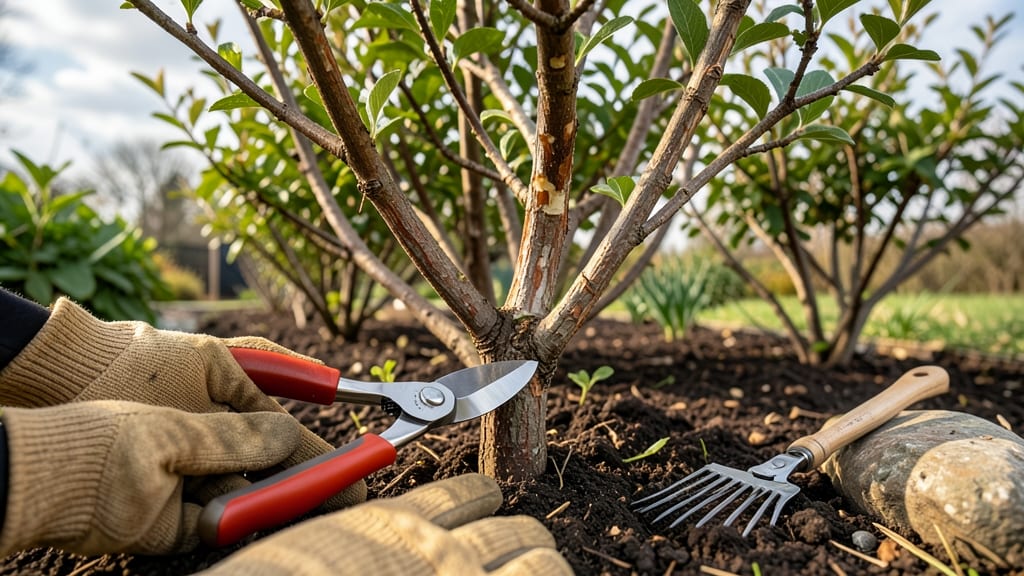
Trimming ninebark shrubs transforms them from wild tangles into the showstopping focal points of your garden. ✂️ I learned the hard way that timing and technique make all the difference—my first attempt left the plant looking like a sad, lopsided cloud.
Now, I prune with purpose, and my ninebarks burst with vibrant foliage and flowers year after year.
The key is working with the plant's natural growth habits. Ninebark thrives with light shaping in late winter or rejuvenation pruning in early spring, but avoid heavy cuts after midsummer.
You'll need sharp bypass pruners, gloves, and a clear vision for your shrub's shape—whether you want a formal hedge or a loose, natural silhouette. Most people over-prune, so less is often more.
After trimming, you'll see fresh red stems peeking through the foliage, a sign of new growth. The plant responds quickly, filling in bare spots and producing more flowers than before. Just avoid cutting into old wood—the ninebark's signature exfoliating bark is its charm, and removing it weakens the plant.
This method works for both young shrubs and mature specimens, adapting to your garden's style. The secret is patience—ninebark rewards careful trimming with decades of lush, low-maintenance beauty. Let's get those shears ready!
📚 In This Guide
- What you need
- Instructions
- Tips and common mistakes
- Wrapping up and next steps
What you need
- ● Pruning shears: Bypass pruners (for clean cuts on smaller stems, 4–6" blades, sharp and rust-resistant).
- ● Loppers: Bypass or anvil type (for thicker branches, 8–12" cutting capacity).
- ● Hand saw: Pruning saw (for stubborn, thick stems, 8–10" curved blade).
- ● Gloves: Heavy-duty gardening gloves (to protect against thorns and rough bark).
- ● Disinfectant: 70% isopropyl alcohol or bleach solution (1 part bleach to 9 parts water) to sterilize tools between cuts.
- ● Rake or broom: Stiff-bristled (for clearing debris post-pruning).
- ○ Pruning sealant (optional but helpful): Tree wound paint (for cuts larger than ½ inch in diameter).
- ● Extension pole: Adjustable (for high branches, 3–6 ft).
- ● Safety glasses: (to shield eyes from debris).
- ● Knee pads: (for comfort if kneeling frequently).
- ● Pruning guide or stakes: (to mark desired shapes before cutting).
- ● Compost bin or bag: (for collecting trimmings).
Step-by-Step guide to trimming ninebark shrubs for year-round health
Here's how I keep my ninebark shrubs looking vibrant and thriving—no matter the season.
✂️ Step 1: Time Your First Cut for Late Winter or Early Spring
Ninebark's best time to trim is just as new growth begins—usually late February through March in most climates. This encourages fresh, healthy stems for the season ahead. I wait until after the worst cold snaps but before buds swell. If you trim too early, you risk damaging dormant buds; too late, and you cut off potential blooms.
Look for the first signs of growth: tiny green tips peeking from the stems. That's your cue. Use sharp, clean pruners to make cuts at a 45-degree angle, about ¼ inch above a leaf node. This prevents water from pooling on the cut and protects against disease.
✂️ Step 2: Shape and Thin Out for Airflow and Light
Ninebark thrives when it gets good airflow and sunlight. Start by removing any dead, diseased, or crossing branches first—these compete with healthy growth. Cut all the way back to the main stem or another strong branch. I like to step back every few cuts to check the shape from a distance.
For a natural look, thin out about ⅓ of the oldest stems each year. These are the thicker, woody branches that no longer produce vibrant foliage. Cut them at the base. This rejuvenates the shrub and encourages new growth from the base. Avoid cutting more than ⅓ of the plant in one season—this can stress the shrub.
☀️ Step 3: Light Pruning Mid-Season to Encourage Fullness
Around late June or early July, give your ninebark a light trim to maintain shape and encourage bushier growth. This is when new growth has already hardened off but before fall dormancy. Remove any leggy stems that stick out too far—they can look untidy and block sunlight from inner branches.
Focus on the outer edges, cutting back just enough to maintain the shape you want. I usually trim about ⅔ of the way back to the previous season's growth. This keeps the plant compact and full. Avoid heavy pruning now—it can stimulate tender new growth that might not survive winter.
✂️ Step 4: Clean Up in Late Fall or Early Winter
After the first hard frost, do a final clean-up trim to remove any dead or damaged branches. This prevents pests and diseases from hiding over winter. Cut back any stems that look brown, brittle, or diseased all the way to the base. I also remove any seed heads if they're still present—they can look messy and attract pests.
Use this time to assess the overall shape of your ninebark. If it's looking too tall or leggy, you can do a more aggressive trim now, but be cautious. Ninebark is resilient, but cutting back too much can leave it vulnerable to winter damage. Aim to keep the height manageable for easier maintenance in the future.
🌿 Step 5: Maintain Year-Round with Minimal Trimming
Ninebark is one of the most low-maintenance shrubs, but a little attention keeps it looking its best. Throughout the year, remove any suckers that pop up at the base—these compete with the main plant for nutrients. Also, keep an eye out for any branches that are rubbing against each other or growing inward. Trim these as soon as you spot them to prevent damage.
I also like to give my ninebark a light dusting with a hose in late summer to remove any spider mites or aphids. A quick spray with water usually does the trick. This keeps the foliage looking fresh and healthy without needing heavy-duty pesticides. With just these simple steps, your ninebark will stay lush and full for years to come.
Tips & tricks for perfect ninebark shrub trimming
These simple strategies will help you keep your ninebark looking its absolute best—without the guesswork.
Seasonal Timing Secret: The late February through March window in Step 1 is your golden opportunity to shape the year's growth. I check my local hardiness zone and wait until the last frost date has passed—this ensures no accidental damage to those delicate buds. For those in colder climates, don't rush: wait until you see those first green tips peeking through. This timing ensures your cuts encourage fresh, vigorous growth rather than stunted stems.
Pruning Angle Technique: That 45-degree angle in Step 1 isn't just for show—it's a disease prevention strategy. When you cut at this angle about ¼ inch above a leaf node, rainwater runs off the cut rather than pooling inside the stem. I like to practice on a few branches first to get comfortable with the angle before tackling the whole shrub. A clean cut also looks more professional and heals better over time.
Visual Shape Check: In Step 2, when thinning out those oldest stems, I've learned to step back every 5-6 cuts to check the overall shape. This prevents over-trimming and helps maintain that natural, full look. Think of it like styling hair—you want to see the big picture before making final adjustments. The goal is to create an open center that allows sunlight to reach all parts of the shrub while maintaining a lush, rounded silhouette.
Mid-Season Maintenance: That light trim in late June or early July (Step 3) is where I focus on leggy stems that stick out too far. These are the branches that look like they're reaching for the sky and can make your ninebark look unkempt. I trim these back to about ⅔ of the way to the previous season's growth, which encourages bushier growth from lower down. This creates that full, manicured look without overstressing the plant.
Pro Tips for Trimming Ninebark Shrubs
- These simple strategies will help you keep your ninebark looking its absolute best—without the guesswork.
- Seasonal Timing Secret: The late February through March window in Step 1 is your golden opportunity to shape the year...
- Pruning Angle Technique: That 45-degree angle in Step 1 isn't just for show—it's a disease prevention strategy. When ...
Frequently asked questions
Got questions about trimming your ninebark shrubs like a pro?
You’re not alone! Here are answers to the most common queries—from timing to technique—so you can keep your shrubs thriving all year round.
When is the best time to trim ninebark shrubs?
Trim ninebark twice a year for optimal results: late winter/early spring (before buds swell) to shape the plant and encourage new growth, and mid-summer (after flowering) to tidy up and remove any leggy stems. Avoid heavy pruning in fall—it can stimulate tender new growth that may not survive winter.
How much can I cut back a ninebark shrub?
Ninebark is highly forgiving—you can safely prune up to one-third of the plant’s height in a single session. For mature shrubs, rejuvenate by cutting back old stems to the ground every few years to encourage fresh, vibrant growth. Just avoid over-pruning in one season to prevent stress.
Should I trim off the flowers after they fade?
Yes! Deadheading (removing spent blooms) in late spring or summer keeps your ninebark looking neat and encourages more flowers. However, if you’re pruning for shape in summer, you can skip this step—the mid-summer trim will handle it. Just avoid cutting into old wood (brown stems), as new growth emerges from the current year’s green stems.
What if my ninebark looks leggy or sparse after trimming?
Leggy growth often means it’s time for a rejuvenation prune—cut back one-third of the oldest stems to the ground in late winter. If the issue persists, check for overcrowding or poor sunlight (ninebark thrives in full sun to part shade). Fertilize lightly in spring if needed, but avoid heavy feeding, which can reduce flowering.
Can I shape a ninebark into a hedge or topiary?
Ninebark’s flexible stems make it great for hedges or topiary with regular trims. For hedges, prune twice a year (spring and summer) to maintain height and density. For topiary, use sharp shears or a hedge trimmer to create clean lines, and prune just after flowering to avoid cutting off next year’s blooms.
Wrapping up and next steps
Trimming your ninebark shrubs doesn’t have to be a daunting task—with the right timing, tools, and techniques, you’ll keep them lush, healthy, and stunning all year long! 🌿 Whether you’re a pruning pro or a beginner, these secrets will help you master the art of shaping your shrubs while promoting vibrant growth.
Now that you’re armed with knowledge, grab those shears and give your ninebark the care it deserves.
Ready to take it further? Plan your next pruning session and watch your ninebark thrive—your garden will thank you! 🌸