
Shrubs
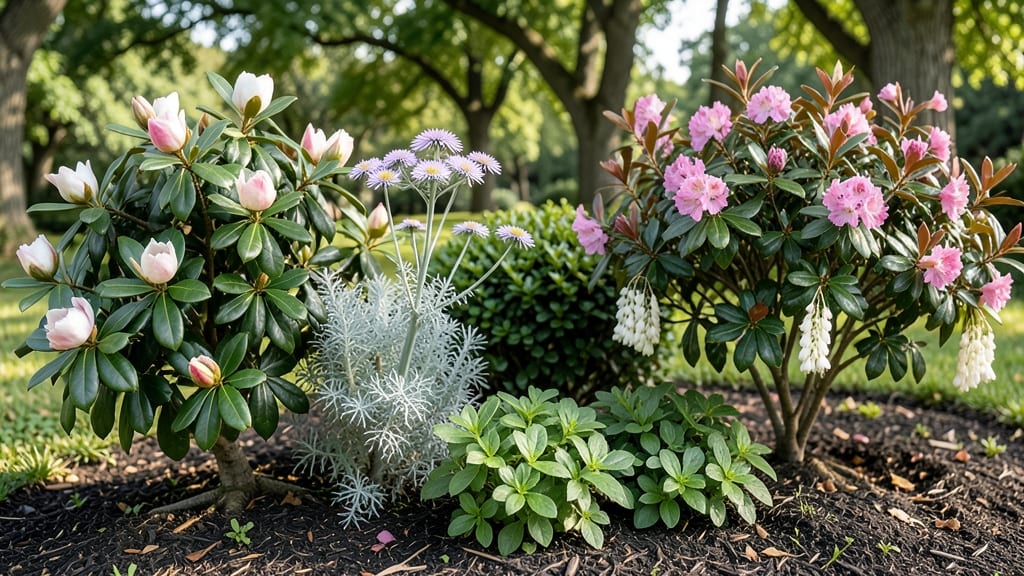
Your garden can burst with color using flowering shrubs all year round—no winter doldrums in sight. 🌿 I’ve designed a fragrant canopy using evergreen and perennial flowering shrubs like camellias, hydrangeas, and abelia that keep blooming (or looking stunning) through every season.
The secret? Layering plants by height, bloom time, and foliage texture so there’s always something captivating to see.
Start with 3-5 core shrubs—like a tall camellia for winter blooms, a mid-height hydrangea for summer, and a low abelia for year-round foliage interest. Add skimmia for winter berries and spring flowers, then fill gaps with perennials like hellebores or ornamental grasses.
This combo ensures continuous color, even when some shrubs are dormant.
You’ll end up with a lush, low-maintenance backdrop that smells amazing—camellias in winter, hydrangeas in summer, and abelia’s fragrant flowers nearly year-round. The best part? These shrubs thrive in partial shade, making them perfect for tricky spots under trees or along north-facing walls.
Works in zones 5-9, though some varieties (like gardenias) need winter protection in colder areas. For a foolproof design, group plants by water needs and prune lightly after blooming. Here’s how to layer them for maximum impact!
📚 In This Guide
- What you need
- Instructions
- Tips and common mistakes
- Wrapping up and next steps
What you need
- ● Flowering shrubs (4–6 varieties): 1–2 Camellia (for winter/spring blooms, Zones 7–10)
- ● 1 Hydrangea (e.g., Oakleaf or Panicle, Zones 3–9)
- ● 1 Abelia (summer/fall flowers, Zones 6–9)
- ● 1 Weigela (spring/summer blooms, Zones 4–8)
- ● 1 Pieris (early spring flowers, Zones 5–9)
- ● 1 Dwarf Gardenia (fragrant summer blooms, Zones 7–10)
- ● Well-draining potting mix or garden soil (50 lbs bag, or amend native soil with compost)
- ● Organic mulch (3–4 inches, pine bark or shredded leaves)
- ● Slow-release fertilizer (10–10–10 or rose & shrub-specific, 5 lbs)
- ● Pruning shears (bypass type, sharp and sanitized)
- ● Garden gloves (heavy-duty, nitrile-coated for thorns)
- ● Trowel or spade (for planting)
- ● Watering can or hose with nozzle (gentle spray setting)
- ● Soil pH test kit (to adjust for acid-loving plants like Camellias)
- ● Epsom salt (1 lb, for magnesium boost in flowering shrubs)
- ● Decorative stakes or trellis (for supportive varieties like Weigela)
- ● Rain gauge or moisture meter (to monitor consistent hydration)
How to design a year-round flowering shrub canopy
Here’s how to layer fragrant, ever-blooming shrubs for continuous color and scent through every season.
🌿 Step 1: Select Shrubs for Seasonal Overlap
Choose four shrubs with staggered bloom times to ensure uninterrupted color. Start with a winter-blooming variety like Daphne odora (fragrant winter flowers) and pair it with early spring bloomers such as Pieris japonica (cascading white flowers). Add a summer standout like Hydrangea paniculata (cone-shaped blooms) and a fall performer like Abelia grandiflora (pink-white flowers into frost). Each should thrive in your hardiness zone—check labels for cold tolerance.
Plant them in clusters of three to create a natural, dense canopy. Space the largest shrub (Hydrangea) at the back, with medium-sized Pieris and Abelia in the middle, and the low-growing Daphne at the front. This ensures every layer contributes to the visual flow without competition for light.
☀️ Step 2: Optimize Sunlight and Soil for Continuous Bloom
Most flowering shrubs demand full sun (6+ hours daily) for robust blooms, but Daphne tolerates partial shade. Amend native soil with 3-4 inches of compost before planting to improve drainage and nutrient retention. Test soil pH—Hydrangeas prefer 5.0-6.0 for blue blooms, while Abelia thrives in 6.0-7.0. Adjust with sulfur or lime as needed.
Mulch heavily with 3 inches of organic mulch (wood chips or pine straw) to retain moisture and regulate soil temperature. Replenish mulch annually in early spring. Avoid overwatering—most shrubs need 1 inch of water weekly, but Daphne dislikes soggy roots. Let the top 2 inches of soil dry between waterings.
💧 Step 3: Feed and Prune for Extended Bloom Cycles
Apply a balanced, slow-release fertilizer (10-10-10) in early spring and again after mid-summer blooms fade. For Hydrangeas, use acid-loving plant food to maintain vibrant blooms. Prune immediately after each shrub’s primary bloom period—cut back Pieris in late spring, Abelia in early fall, and Hydrangea in late winter (before buds swell).
Shape lightly to encourage bushiness, but avoid heavy pruning—it removes next year’s flower buds. For Daphne, prune only to remove dead wood in early spring. Always sterilize shears with rubbing alcohol between cuts to prevent disease spread. Watch for leggy growth—this signals insufficient light or over-fertilizing with nitrogen.
✂️ Step 4: Maintain Year-Round Health and Fragrance
Deadhead spent blooms on Abelia and Hydrangea to redirect energy into new flowers, but leave Pieris and Daphne blooms intact—they’re winter interest. Inspect leaves monthly for pests (aphids on Pieris, spider mites on Hydrangea) and treat with neem oil if needed. Overwatering invites root rot, so monitor soil moisture—especially in winter when rain is scarce.
Rotate shrubs every 3-5 years to refresh the canopy. Dig up the oldest plants, divide clumps, and replant one section while composting the rest. This rejuvenates growth and prevents overcrowding. In late fall, apply a thin layer of compost around the base to protect roots from freeze-thaw cycles.
🌱 Step 5: Layer Fragrance for Sensory Impact
Position Daphne near seating areas or walkways—its winter jasmine scent is strongest in cold weather. Pieris releases a honey-like fragrance in spring, while Abelia emits a light, sweet aroma in summer. Place Hydrangea where blooms can be admired up close; their vanilla-like scent peaks in late summer. Adjust spacing so fragrance carries naturally on breezes.
For added intrigue, interplant with evergreen ground covers (like Vinca minor) to fill gaps and extend the fragrant canopy to the ground. This creates a lush, multi-layered display that stays vibrant and aromatic from December through November.
Tips & tricks for designing a fragrant year-round shrub canopy
Creating a vibrant, fragrant shrub canopy requires strategic planning beyond just planting—here’s how to elevate your design from good to extraordinary.
Seasonal Layering Strategy: When selecting your shrubs, consider not just bloom times but also fragrance intensity. Daphne odora may bloom in winter, but its scent peaks in cooler temperatures—plant it where winter breezes carry its fragrance directly to seating areas. Similarly, Pieris japonica's honey-like aroma is most potent in early spring mornings, so position it near pathways where people walk during that time. This thoughtful placement amplifies the sensory experience beyond just visual appeal.
Soil pH Precision: The pH requirements for your shrubs can't be overlooked. For Hydrangea paniculata, aim for 5.0-6.0 to ensure those signature blue blooms (or use aluminum sulfate if your soil is too alkaline). Test your soil before planting—many garden centers offer affordable test kits. Remember, adjusting pH takes time: if you're lowering pH with sulfur, it may take 2-3 months to reach the desired level. For Abelia grandiflora, maintain 6.0-7.0—this neutral range prevents stress that could reduce flowering.
Pruning Timing Nuances: The instructions mention pruning after each shrub's bloom period, but timing within that window matters. For Pieris japonica, prune as soon as flowers fade in late spring—this prevents seed formation that drains energy. With Hydrangea paniculata, wait until late winter when buds are just beginning to swell but haven't opened yet. And for Abelia grandiflora, a light pruning in early fall (after blooms) encourages new growth that will flower more prolifically next season. Always use clean, sharp shears—dull blades crush stems, inviting disease.
Fragrance Zoning: Think of your canopy as a multi-sensory experience. Position Daphne odora near outdoor seating where its winter jasmine scent can be enjoyed during cold-weather gatherings. Place Pieris japonica along springtime walkways where its honey aroma will greet visitors. For summer evenings, position Abelia grandiflora near patios where its sweet fragrance can be appreciated during dinner hours. This strategic fragrance layering creates a seasonal sensory journey through your garden.
Pro Tips for Flowering Shrubs All Year Round
- Creating a vibrant, fragrant shrub canopy requires strategic planning beyond just planting—here’s how to elevate your...
- Seasonal Layering Strategy: When selecting your shrubs, consider not just bloom times but also fragrance intensity. D...
- Soil pH Precision: The pH requirements for your shrubs can't be overlooked. For Hydrangea paniculata, aim for 5.0-6.0...
Frequently asked questions
Got questions about keeping your garden blooming nonstop?
Here are the answers to the most common queries about flowering shrubs all year round—so you can enjoy that fragrant canopy without the guesswork!
Can I really get flowers year-round in my climate?
While no single shrub blooms every month in every zone, strategic layering of seasonal bloomers (like camellias, abelias, and gardenias) ensures continuous color. Coastal or mild climates (Zones 7-10) have the easiest time, but even colder regions can mix evergreens with late-winter/early-spring bloomers for near-round-the-clock interest.
How do I time plantings for nonstop blooms?
Start with early spring plantings for summer/fall bloomers (e.g., hydrangeas), then add late summer/fall varieties (like winter jasmine) for winter/spring color. Pro tip: Overlap bloom cycles by 4-6 weeks—this "hand-off" ensures no bare patches! Check your shrub’s USDA hardiness zone and first/last frost dates for precision.
What’s the secret to keeping shrubs healthy and blooming?
Three keys: 1) Prune strategically—cut back after flowering (for spring bloomers) or in early spring (for summer bloomers). 2) Feed lightly—use a balanced fertilizer (10-10-10) in early spring and mid-summer. 3) Water deeply but infrequently to encourage strong root growth. Bonus: Mulch to retain moisture and regulate soil temp!
Why did my shrub stop blooming mid-season?
Common culprits:
- Over-fertilizing (too much nitrogen = leafy growth, no flowers).
- Poor pruning (cutting back old wood on spring bloomers or new growth on summer bloomers).
- Stress from drought, pests (like spider mites), or disease (e.g., powdery mildew).
- Age—older shrubs may need rejuvenation pruning.
Diagnose the issue, then adjust care—most shrubs bounce back in 1-2 seasons!
Are there low-maintenance alternatives to high-fuss bloomers?
Yes! Opt for native shrubs (like clethra or spirea) or evergreen hybrids (e.g., dwarf gardenia ‘Kleim’s Hardy’). These thrive with minimal intervention, resist pests, and often self-clean (no messy seed pods!). Pro tip: Pair with drought-tolerant ground covers (like creeping thyme) to reduce weeding.
Can I force a shrub to bloom out of season?
Some shrubs (like camellias or azaleas) can be coaxed with temperature tricks, but it’s tricky! For camellias, move potted plants to a cool, shaded spot (50–60°F) in late summer to trigger winter blooms. Warning: This disrupts natural cycles—best for container-grown specimens or short-term displays.
Wrapping up and next steps
Transforming your garden into a blooming paradise year-round is simpler than you think! By selecting the right everblooming shrubs—like Abelia, Camellia, or Hydrangea—and following smart care tips, you’ll enjoy fragrant, vibrant colors no matter the season. 🌸
Ready to take the next step? Start by sketching your garden layout, then pick your top 3 shrubs based on your climate and sunlight. Plant one this weekend—your future blooms will thank you!