
Shrubs
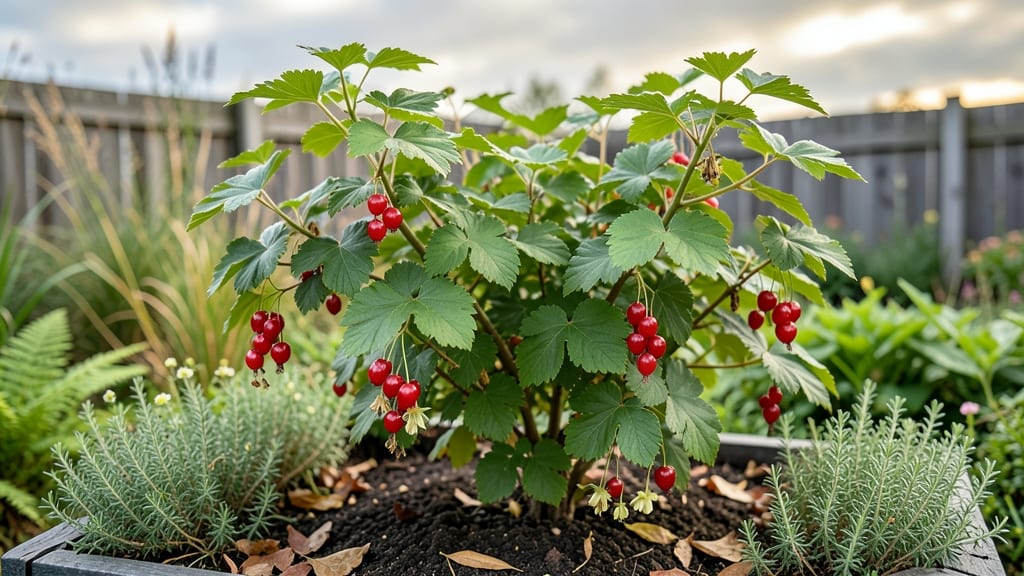
Growing red currant shrubs transforms your garden into a fragrant, fruiting powerhouse—if you master the pruning. 🌿 I’ve watched these shrubs go from tangled messes to productive, fragrant giants in just a few seasons, and the secret lies in understanding when and how to cut.
The right technique keeps branches open for sunlight, boosts fruit production, and extends that intoxicating spring fragrance all year. These shrubs thrive in cool climates (zones 3-7) where they produce tart-sweet berries perfect for jams and desserts.
They’re low-maintenance once established, but beginners often struggle with overcrowded canes or missed pruning windows. My first year, I nearly gave up after a tangled tangle of branches blocked all light—until I learned the three-cut method that keeps them healthy and productive.
By summer, you’ll be harvesting clusters of bright red berries while the foliage stays lush and aromatic. The shrubs also double as living privacy screens, with glossy leaves that turn golden in fall. Even non-fruit varieties bring ornamental value with their delicate flowers and vibrant foliage.
Whether you’re growing for fruit, fragrance, or both, the key is timing: prune in late winter or early spring before new growth starts. Here’s how to get it right from day one.
📚 In This Guide
- What you need
- Instructions
- Tips and common mistakes
- Wrapping up and next steps
What you need
- ● Red currant shrub plants: 3–5 young, disease-resistant varieties (e.g., 'Jonker’s Red' or 'Red Lake') for optimal pollination and yield.
- ● Well-draining soil: Mix of garden soil, compost (2 parts), and perlite/sand (1 part) for aeration.
- ● Organic mulch: 2–3 inches of straw, wood chips, or shredded leaves to retain moisture and suppress weeds.
- ● Fertilizer: Balanced 10-10-10 or organic options like composted manure or worm castings (apply in early spring).
- ● Watering can or hose: With a gentle spray nozzle for deep, even watering.
- ● Pruning tools: Bypass pruners (for clean cuts on stems <½ inch thick).
- ● Loppers (for thicker branches, ¾–2 inches).
- ● Hand saw (for stubborn, woody growth).
- ● Disinfectant: 70% isopropyl alcohol or bleach solution (1 part bleach to 9 parts water) to sterilize tools between cuts.
- ● Gloves: Heavy-duty gardening gloves to protect against thorns and sap.
- ● Trellis or support wires: For training vines if growing a sprawling variety (e.g., 'Red Lake').
- ● Epsom salt: 1 tablespoon per gallon of water (monthly spray for magnesium boost).
- ● Bird netting: To protect ripe berries from hungry birds.
- ● pH test kit: To ensure soil pH is between 6.0–6.5 (ideal for red currants).
- ● Pruning paint/sealant: For large cuts to prevent disease entry.
Step-by-step instructions for planting and pruning red currant shrubs
Here’s how to plant and prune your red currant shrubs for lush, fragrant growth.
🌱 Step 1: Choose the Perfect Planting Spot
Red currants thrive in full sun to partial shade, with at least 6 hours of sunlight daily. I always pick a spot with well-draining soil—currants hate soggy roots. If your soil is heavy clay, amend it with 2-3 inches of compost before planting to improve drainage.
Space your shrubs 4-6 feet apart to allow airflow and prevent disease. The reason for this spacing? Currants grow bushy over time, and cramped plants develop fungal issues faster. Dig a hole twice as wide as the root ball but no deeper—planting too deep suffocates the roots and stunts growth.
💧 Step 2: Plant and Water Deeply
Gently remove the shrub from its container and loosen any tangled roots. Place it in the hole so the top of the root ball sits just below soil level—this ensures stability without burying the stem. Backfill with native soil, pressing lightly to eliminate air pockets.
Water deeply right after planting—about 1-2 gallons per shrub—until the soil is moist 12 inches down. You’ll know it’s right when water drains through the bottom of the hole. Mulch around the base with 2-3 inches of organic mulch (like wood chips) to retain moisture and suppress weeds. Keep the mulch 3 inches away from the stem to prevent rot.
✂️ Step 3: Prune for Shape and Health in Early Spring
Wait until late winter or early spring, just as buds begin to swell, to prune. This timing ensures you don’t accidentally cut off next year’s fruit buds. Start by removing dead, diseased, or crossing branches—these compete for nutrients and invite pests. Cut back to a healthy bud or branch junction using clean, sharp pruners to avoid tearing the bark.
Next, thin out crowded branches to improve airflow. Aim to keep the center of the shrub open—this prevents humidity buildup and fungal diseases like powdery mildew. You’ll see stronger growth and more abundant fruit when you prune this way. Never remove more than one-third of the shrub’s foliage in a single season.
☀️ Step 4: Maintain Through the Growing Season
Water deeply once a week during dry spells, aiming for 1 inch of water per week. Currants are drought-tolerant once established, but consistent moisture keeps the fruit plump and sweet. I always water in the early morning to reduce evaporation and fungal risks.
Fertilize lightly in early spring with a balanced 10-10-10 fertilizer—just ½ pound per 100 square feet—to support new growth. Avoid heavy nitrogen fertilizers, which promote leafy growth at the expense of fruit. Watch for signs of stress like yellowing leaves or sparse fruit—these often mean your shrub needs more sunlight or better drainage.
⏰ Step 5: Light Pruning After Harvest
Once the fruit harvest is done, do a quick cleanup prune to remove any suckers (shoots growing from the base) and weak, unproductive branches. This keeps the shrub focused on next year’s growth. Prune lightly—just enough to tidy up—so you don’t stimulate new shoots that won’t have time to harden off before winter.
In late fall, add a 2-inch layer of mulch around the base to insulate roots. This protects against temperature swings and keeps the soil moist during winter dormancy. Avoid heavy pruning in fall—currants need their foliage to photosynthesize until the ground freezes.
Tips & tricks for perfect red currant shrub care
Took me years of trial and error to figure out these game-changing tricks for keeping your red currant shrubs thriving.
Soil Test First: Before planting, grab a simple soil test kit from your local garden center. Red currants are fussy about pH—aim for 6.0-6.5. If your soil tests too acidic, mix in 1 pound of lime per 100 square feet 2 months before planting. I learned this the hard way after my first batch of currants turned bitter from acidic soil.
Pruning Timing Secret: That late winter/early spring pruning window is critical—wait until you see green buds but before any leaves appear. This ensures you don't accidentally cut off next year's fruit buds. I mark my calendar for February 15th as my target date, but always check the buds first. Pro tip: Prune on a dry day to prevent fungal spores from spreading.
Watering Wisdom: The 1 inch per week guideline works for established shrubs, but new plants need 2 inches during their first growing season. I use a rain gauge to track rainfall and only water when needed. Morning watering is key—it gives leaves time to dry before evening, reducing fungal risks. For the 1-2 gallons per shrub after planting, use a watering can with a long spout to direct water to the roots without disturbing the mulch.
Fertilizer Strategy: That ½ pound of 10-10-10 fertilizer per 100 square feet in early spring is perfect, but here's the trick: split it into two applications. Use half when you see new growth in spring, and save the rest for after harvest. This prevents over-fertilizing which can lead to excessive leafy growth at the expense of fruit production. I also mix in 1 cup of coffee grounds around each plant annually—they add nitrogen and improve soil structure.
Pro Tips for Red Currant Shrub
- Took me years of trial and error to figure out these game-changing tricks for keeping your red currant shrubs thriving.
- Soil Test First: Before planting, grab a simple soil test kit from your local garden center. Red currants are fussy a...
- Pruning Timing Secret: That late winter/early spring pruning window is critical—wait until you see green buds but bef...
Frequently asked questions
Got questions about growing and caring for your red currant shrub?
You’re not alone! Here are some of the most common queries—plus straightforward answers to keep your fragrant beauty thriving.
How often should I prune my red currant shrub for optimal fragrance?
Prune your red currant shrub twice a year: once in late winter (before new growth) to shape and remove dead wood, and again after flowering to encourage bushier, more fragrant foliage. Avoid heavy pruning in fall—it can stimulate tender growth that won’t survive winter. Pro tip: Use sharp pruners to make clean cuts at a 45-degree angle!
Are red currant shrubs cold-hardy? Can they survive harsh winters?
Yes! Most red currant shrubs (like Ribes odoratum) are hardy to USDA Zones 3-8, meaning they can handle freezing temps and snow. For extra protection, mulch the base with 2-3 inches of organic matter (like wood chips) in late fall. If you’re in Zone 9+, provide afternoon shade to prevent heat stress.
Why aren’t my red currant shrubs flowering or smelling as strongly as they should?
Several factors could be at play:
- Insufficient sunlight: Red currants need 6+ hours of sun daily—move to a sunnier spot if growth is leggy or sparse.
- Over-pruning: Heavy cuts can reduce flowering. Stick to 1/3 of the plant max per year.
- Nutrient deficiency: Yellow leaves? Amend soil with compost or use a balanced fertilizer in early spring.
- Age: Young shrubs (under 3 years) may flower lightly. Patience pays off!
Can I eat the berries from my red currant shrub, or are they just ornamental?
While Ribes odoratum (the fragrant red currant) is prized for its scent and foliage, its berries are not edible (they’re tart and astringent). If you want both fragrance and fruit, consider planting Ribes rubrum (red currant) or Ribes nigrum (black currant) nearby—they’re edible and delicious in jams or sauces!
What are some fragrant alternatives to red currant shrubs for my garden?
If red currants aren’t your style, try these scented shrub swaps:
- Philadelphus (Mock Orange) – Highly fragrant white blooms, loves sun.
- Deutzia – Delicate clusters of fragrant flowers in spring.
- Weigela – Trumpet-shaped blooms with a sweet, honey-like scent.
- Pieris japonica (Andromeda) – Evergreen with fragrant spring flowers.
All thrive in similar conditions (partial shade to sun) and offer year-round interest!
Wrapping up and next steps
Growing a red currant shrub is a rewarding journey that fills your garden with fragrant blooms and delicious fruit—while keeping maintenance simple! With the right pruning techniques and care, you’ll enjoy year-round beauty and a bountiful harvest.
Now that you’re armed with the secrets to success, why not take the next step? Start small: prune one section of your shrub this weekend, or share your progress with fellow gardening enthusiasts for extra motivation. Happy growing—your future harvest (and fragrant garden) will thank you! 🌿✨