
Pruning
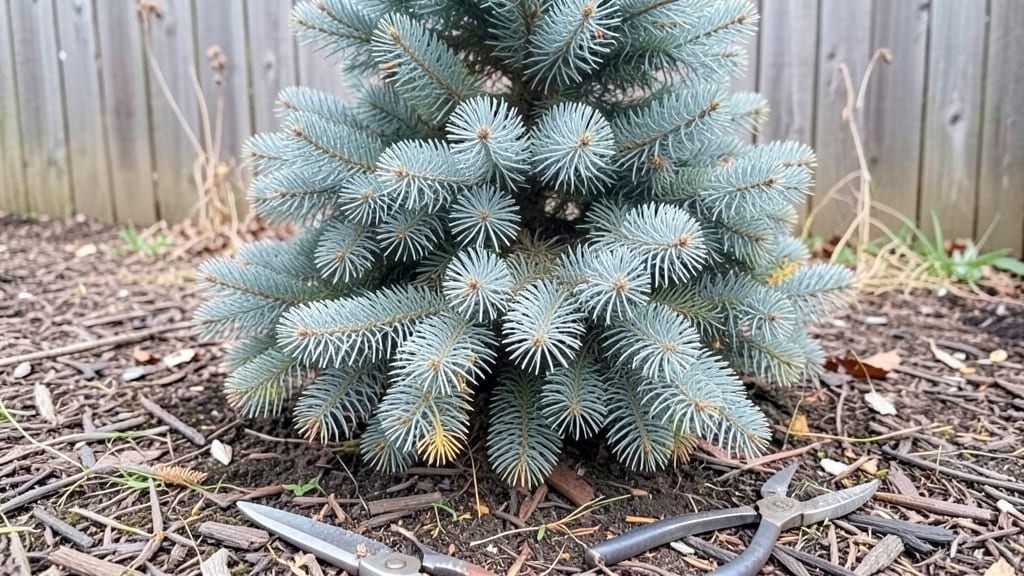
Pruning blue spruce shrubs keeps them looking sharp and healthy for decades—if you do it right. I’ve watched my 20-year-old spruce go from lopsided to perfectly symmetrical just by following a few key rules about when and how to cut.
The difference between a thriving evergreen and one struggling to recover comes down to timing, sharp tools, and knowing which branches to leave alone.
Start with the right equipment: clean, sharp bypass pruners for smaller branches and a handsaw for thicker growth. Sanitation is everything—disinfect your tools with rubbing alcohol between cuts to prevent fungal spread.
Most pruning happens in late winter or early spring, but you can do light shaping anytime the tree isn’t stressed. The goal is to remove only dead, damaged, or crossing branches—never more than 25% of the foliage at once.
What you’ll end up with is a tree that looks fuller, grows stronger, and stays disease-free. Those tiny blue needles will pop against your landscape like a fresh coat of paint, and you’ll avoid the sad, sparse look of over-pruned spruces.
The key is patience—spruces heal slowly, so take your time and admire the progress over seasons.
This method works for all blue spruce varieties, whether you’re dealing with a 6-foot hedge or a 30-foot specimen. The same principles apply to Colorado blue spruces, Concolor blue spruces, and even the dwarf varieties.
Once you master it, you’ll see why pruning isn’t just maintenance—it’s an investment in long-term beauty.
📚 In This Guide
- What you need
- Instructions
- Tips and common mistakes
- Wrapping up and next steps
What you need
- ● Pruning shears – Bypass pruners (sharp, 6-8" blades) for clean cuts on small branches.
- ● Loppers – 8-12" bypass or anvil for thicker branches (up to 1.5" diameter).
- ● Pruning saw – Curved or bow saw for stubborn, woody stems (20-24" blade).
- ○ Extension pole pruner – 10-15 ft telescoping pole for high branches (optional but handy!).
- ● Gloves – Heavy-duty, cut-resistant to protect hands from sharp needles and sap.
- ● Safety goggles – ANSI-rated to shield eyes from debris.
- ● Disinfectant (70% isopropyl alcohol or bleach solution) – Sterilize tools between cuts to prevent disease.
- ● Rubbing alcohol or hand sanitizer – For quick tool and hand cleaning.
- ● Heavy-duty trash bags – 20-30 gallon for debris disposal.
- ● Ladder (if needed) – Sturdy, non-slip, 12-16 ft for taller spruces (follow safety guidelines!).
- ○ Mulch or wood chips (optional) – 2-3 inches to protect roots post-pruning.
- ● Check the weather forecast – Aim for a calm, dry day (avoid wind or rain).
- ● Review your spruce’s growth pattern – Identify dead, crossing, or overcrowded branches before you start.
- ● Have a clear workspace – Remove obstacles and lay down a tarp if working near paved areas.
Instructions for pruning blue spruce shrubs
Here's how I maintain the natural shape and health of my blue spruce shrubs with minimal stress.
Choose the Right Time for Pruning
Blue spruce shrubs respond best to pruning in late winter or early spring, just as new growth begins. This timing ensures you remove dead or damaged branches while avoiding the stress of cutting during active growth periods. If you need to prune for safety reasons—like removing broken limbs—do it anytime, but avoid heavy pruning during summer heat or winter frost.
Look for dormant buds along the branches as your signal that it's time. These small, rounded swellings indicate where new growth will emerge. Pruning at this stage encourages strong, healthy development without disrupting the plant’s natural cycle. Avoid pruning in fall, as it can leave the shrub vulnerable to winter damage.
Gather Your Tools and Safety Gear
You’ll need sharp, clean pruning shears for smaller branches and loppers for thicker stems up to 3/4 inch in diameter. For branches larger than that, use a pruning saw to make clean cuts without tearing the bark. Always sterilize your tools with rubbing alcohol before and after pruning to prevent the spread of disease.
Wear gloves to protect your hands from sap and sharp branches, and safety glasses to shield your eyes from debris. Blue spruce needles can be prickly, so long sleeves and pants are a good idea too. Keep a bucket or tarp nearby to collect clippings and fallen needles, making cleanup easier.
Remove Dead, Diseased, or Damaged Branches First
Start by inspecting the shrub for dead branches—these will be dry, brittle, and lack needles. Snap a small section of the branch; if it snaps with a hollow sound and crumbles, it’s dead. Cut these branches back to the main trunk or a healthy lateral branch, making your cut just outside the branch collar where it meets the trunk.
Next, look for branches with signs of disease, like fungal growth, discoloration, or unusual spots on the needles. Remove these immediately, cutting back to healthy tissue. If a branch is damaged—perhaps from a storm or heavy snow—trim it back to the point where the branch is still strong and healthy. Never leave stubs; always cut cleanly to promote healing.
Shape the Shrub Gradually for a Natural Look
Blue spruce shrubs have a natural, conical shape, so avoid over-pruning to maintain their beauty. Use your shears to trim back overgrown branches by no more than 1/3 of their length in a single season. Focus on the outer edges to encourage denser growth and a fuller appearance.
Make your cuts just above a bud or lateral branch, angled slightly away from the bud to prevent water from pooling. Avoid cutting into the old wood—the shrub won’t regenerate from there. Step back frequently to check your progress; the goal is to enhance the shrub’s natural form, not drastically alter it.
Clean Up and Monitor for Recovery
After pruning, dispose of the clippings in a compost bin or trash—never leave them on the ground, as they can harbor pests or diseases. Rake up any fallen needles and debris to keep the base of the shrub clean. Water the shrub deeply if the weather has been dry, helping it recover from the pruning stress.
Monitor the shrub over the next few weeks for signs of stress, like yellowing needles or wilting. If you see these signs, reduce watering slightly—blue spruce shrubs are drought-tolerant and often recover quickly. With proper care, your shrub will bounce back stronger, ready for years of healthy growth.
Tips & tricks for pruning blue spruce shrubs
A few key insights will help you prune with confidence and keep your blue spruce thriving year after year.
Timing is Everything: In Step 1, when you're choosing the right time, remember that late winter or early spring is ideal because the shrub is just waking up from dormancy. I've learned the hard way that pruning in summer heat can stress the plant, causing it to wilt or even die back. If you must prune outside this window, focus only on removing dead or damaged branches rather than shaping.
The Technique That Changed Everything: When you're making cuts in Step 4, always cut just above a bud or lateral branch, angled slightly away from it. This simple technique ensures new growth emerges in the right direction. I used to make cuts right at the branch collar, which left ugly stubs and sometimes caused the plant to heal poorly. The angled cut also prevents water from pooling at the cut site, reducing the risk of disease.
Tool Maintenance Matters: Before you begin, take 5 minutes to sterilize your pruning shears, loppers, and saw with rubbing alcohol as mentioned in Step 2. I've seen many gardeners skip this step, only to accidentally spread fungal diseases between plants. Clean tools also make sharper cuts, which heal faster and look more professional. Store your tools in a dry place to prevent rust, and sharpen them annually for clean cuts.
Monitoring for Recovery: After pruning, keep an eye out for signs of stress like yellowing needles or wilting mentioned in Step 5. I've noticed that blue spruce shrubs often show these signs after heavy pruning, but they usually recover within a few weeks if you reduce watering slightly. The key is patience—don't panic if you see temporary stress. With proper care, your shrub will bounce back stronger than ever.
Pro Tips for Pruning Blue Spruce Shrubs
- A few key insights will help you prune with confidence and keep your blue spruce thriving year after year.
- Timing is Everything: In Step 1, when you're choosing the right time, remember that late winter or early spring is ideal because the shrub is just waking up from dormancy.
- The Technique That Changed Everything: When you're making cuts in Step 4, always cut just above a bud or lateral branch, angled slightly away from it.
Frequently asked questions
Got questions about keeping your Picea pungens (blue spruce) looking its best? Here are answers to the most common ones—so you can prune with confidence!
When is the best time to prune blue spruce shrubs?
The ideal time is late winter or early spring (just before new growth starts), but you can also prune lightly in summer to shape. Avoid heavy pruning in fall—it stresses the tree before winter. Pro tip: If you’re correcting shape, do it gradually over 2–3 years!
How much can I trim off without harming the tree?
Never remove more than 25–30% of the foliage in one season. Blue spruces are resilient, but over-pruning can weaken growth or invite pests. Focus on thinning out dense areas rather than shearing heavily. If your tree looks sparse, it may need fertilization or better soil drainage first!
What should I do if my blue spruce has brown or dead branches after pruning?
Brown tips or branches are normal if pruned correctly, but if large sections die back, it could signal over-pruning, disease (like needle cast), or pests. Trim dead wood back to healthy green tissue, and check for spider mites or bagworms. If needed, apply neem oil or insecticidal soap.
Can I shape my blue spruce like a topiary, or is it better left natural?
Blue spruces can be shaped into topiaries, but they thrive best with natural, airy growth. If you want formal shapes, use light annual pruning and avoid shearing—it can make foliage dense and prone to pests. For a wild, whimsical look, let it grow freely and prune only to remove deadwood!
How often should I prune a mature blue spruce?
Mature trees need minimal pruning—just 1–2 light sessions per year (spring and summer) to remove dead branches or improve airflow. Young trees (under 10 years) benefit from annual shaping to establish strong structure. Always prune on a dry, calm day to reduce stress!
What’s the worst mistake people make when pruning blue spruce?
The biggest no-no? Shearing too aggressively or pruning old growth (the "candle" branches at the tips). This can kill the tree’s growth points. Instead, focus on selective thinning and never prune more than ⅓ of a branch at once. Patience is key—blue spruces grow slowly!
Wrapping up and next steps
Pruning your blue spruce shrubs doesn’t have to be intimidating—just a few strategic cuts can keep them thriving year-round! 🌲 Whether you’re shaping for aesthetics or promoting health, the key is patience and precision.
Now that you’re armed with the right tools, techniques, and timing, there’s no better moment to roll up your sleeves and give your shrubs the care they deserve.
Ready to take action? Pick a calm, dry day and start with just one section—your blue spruce will thank you with lush, vibrant growth! 🌿