
Shrubs
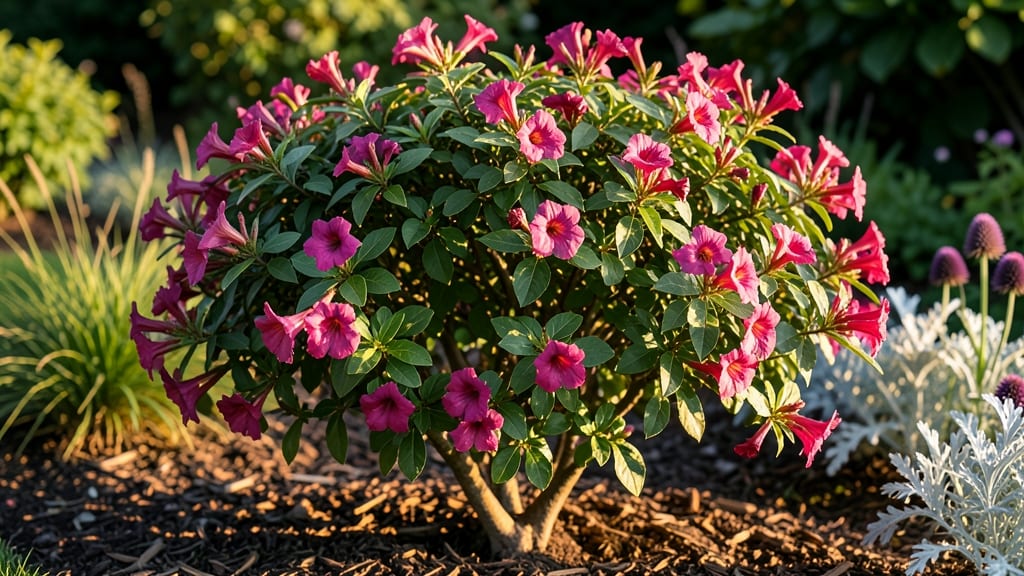
Pennsylvania’s flowering shrubs don’t just survive winter—they thrive, turning your yard into a four-season show. 🌿 From fragrant viburnums to bold butterfly bushes, these cold-hardy plants (zones 5–7) give you privacy, pollinators, and color from spring through fall.
I’ve tested the best varieties over years of Pennsylvania gardening, and these are the ones that never disappoint. The key is matching shrubs to your space: serviceberries for edible spring blooms and fall color, azaleas for early spring drama, or butterfly bush for summer-long pollinator action.
Most need full sun to partial shade and well-draining soil—no fancy amendments required. Pair them with native perennials like coneflowers or black-eyed Susans for a low-maintenance, wildlife-friendly landscape. What you’ll end up with is a yard that stays lush even when neighbors’ plants are struggling.
The fragrance of viburnum in spring, the hum of bees around spirea, and the fiery fall foliage of smoke bush make every season worth the wait. These shrubs also resist deer and pests better than many non-natives.
Works for hedges, borders, or mixed borders—just pick your favorite blooms and let them do the rest. Here’s how to choose the perfect mix for your Pennsylvania plot.
📚 In This Guide
- What you need
- Instructions
- Tips and common mistakes
- Wrapping up and next steps
What you need
- ● Flowering shrubs: Choose 3–5 cold-hardy Pennsylvania varieties (e.g., Viburnum dentatum, Weigela florida, or Spiraea japonica). Buy 1–3 plants per type for full coverage.
- ● High-quality potting soil: 2–3 cubic yards (or 50–75 bags) of well-draining, organic soil mix (e.g., Miracle-Gro Garden Soil or Espoma Garden Soil).
- ● Compost or mulch: 1–2 bags of shredded bark or compost (e.g., Black Gold Garden Compost) for nutrient boost.
- ● Slow-release fertilizer: 10–20 lbs of 10-10-10 or 5-10-5 granular fertilizer (e.g., Osmocote Smart-Release).
- ● Garden shovel or spade: 1 medium-sized (e.g., Fiskars Steel Digging Shovel).
- ● Pruning shears: 1 pair of sharp, bypass pruners (e.g., Felco Classic).
- ● Wheelbarrow or garden cart: 1 for hauling soil/mulch.
- ● Garden hose or watering can: With a spray nozzle for gentle watering.
- ● Measuring tape: 1 for spacing plants 3–6 feet apart (depending on variety).
- ○ Gloves & knee pads: Optional but highly recommended!
- ● Sunlight assessment: Identify full-sun (6+ hrs), partial-shade (3–6 hrs), or full-shade (3 hrs or less) areas.
- ● Soil test: Check pH (ideal: 6.0–7.0) and amend if needed (e.g., lime for acidic soil).
- ● Local climate check: Confirm USDA Zone 4–7 hardiness for your shrubs.
- ● Water source: Ensure easy access for deep watering (1–2 inches per week).
Step-by-step guide to planting cold-hardy flowering shrubs in Pennsylvania
Here's how to select and establish shrubs that thrive in PA's climate while providing year-round beauty.
🌱 Step 1: Choose Shrubs Perfect for Pennsylvania's Climate Zones
Pennsylvania spans USDA zones 4-7, so select shrubs with proven cold hardiness and seasonal interest. For zone 4-5 (northern PA), prioritize serviceberry (Amelanchier laevis) and smooth hydrangea (Hydrangea arborescens)—both handle winters down to -25°F and bloom reliably. In zone 6-7 (southeastern PA), panicle hydrangea (Hydrangea paniculata) and butterfly bush (Buddleia davidii) deliver bold summer flowers followed by winter structure.
Check each shrub's mature height (most need 6-10 feet for privacy) and spacing needs—butterfly bush spreads 8-10 feet, while serviceberry stays compact at 6-8 feet. I always verify a shrub's sun requirements (most flowering varieties need full sun to partial shade) before purchasing, as PA's variable light conditions can stress plants.
🪴 Step 2: Prepare Planting Sites for Drainage and Soil Health
Flowering shrubs thrive in well-draining soil—critical in PA's clay-heavy regions. Amend native soil with 3-4 inches of compost and 10% perlite to improve aeration. For heavy clay, I dig a 12-inch-deep planting hole twice as wide as the root ball, then fill the bottom with 1 inch of coarse sand before adding amended soil. This prevents root suffocation during PA's wet springs.
Test soil pH—hydrangeas prefer 5.5-6.5 (add sulfur if needed), while serviceberry tolerates 6.0-7.0. Plant in early spring (April) or fall (October) to avoid transplant shock during PA's extreme summer heat or winter freeze-thaw cycles. Water the hole thoroughly before placing the shrub to eliminate air pockets.
☀️ Step 3: Plant and Mulch for Winter Protection
Position the shrub so the top of the root ball sits 1 inch above ground level—settling soil can bury stems over time. Spread roots outward gently (never force them) and backfill with amended soil, tamping lightly every 2 inches. Water deeply to eliminate air gaps, then apply 3 inches of mulch (wood chips or shredded bark) to retain moisture and regulate soil temperature.
Stake only if needed—butterfly bush often requires support in PA's windy zones, but serviceberry usually stabilizes on its own. Prune only to remove damaged branches; flowering shrubs set buds the previous season, so avoid heavy cuts. After planting, water twice weekly for the first month, then taper to once weekly once established—PA's summer droughts can stress new plants.
✂️ Step 4: Prune for Seasonal Interest and Disease Prevention
Prune panicle hydrangeas in late winter (February) to shape and encourage blooms, while smooth hydrangeas bloom on old wood—prune immediately after flowering. Remove dead or crossing branches annually to improve airflow, reducing fungal risks like powdery mildew common in PA's humid summers. I always sterilize pruners with rubbing alcohol between cuts to prevent pathogen spread.
Fertilize lightly in early spring with 10-10-10 granular fertilizer (follow package rates)—flowering shrubs need minimal feeding. Over-fertilizing leads to weak stems and fewer blooms. Monitor for Japanese beetles (target rose of Sharon) or aphids (common on butterfly bush) and treat with neem oil if populations grow. PA's variable climate means pests fluctuate yearly—watch for early signs.
⏰ Step 5: Plan for Year-Round Structure and Wildlife Benefits
Combine shrubs with winter interest—serviceberry offers red berries and exfoliating bark, while winterberry holly (Ilex verticillata) provides bright red berries that persist until spring. Space shrubs 6-10 feet apart for privacy screens, but leave 3-4 feet between rows for airflow. Add native ground covers like foamflower (Tiarella cordifolia) to suppress weeds and retain moisture.
PA's wildlife thrives on flowering shrubs—butterfly bush attracts monarchs, while serviceberry feeds songbirds. I always include one native shrub per 500 sq ft to support local ecosystems. Mulch annually in late fall to protect roots from freeze-thaw cycles, and avoid heavy pruning in late summer—new growth won't harden off before winter.
Tips & tricks for perfect Pennsylvania flowering shrubs
These proven strategies will help your cold-hardy shrubs thrive and deliver stunning privacy year after year.
Climate Zone Matching: Pennsylvania's diverse zones (4-7) demand precision in selection. For northern PA's -25°F winters, serviceberry and smooth hydrangea are non-negotiable—their winter hardiness and reliable blooms make them standout performers. In warmer southeastern zones, panicle hydrangea's late-season blooms and butterfly bush's wildlife magnet appeal justify their slightly less extreme cold tolerance. I always verify a shrub's mature height (6-10 feet) and spread (butterfly bush's 8-10 feet vs. serviceberry's compact 6-8 feet) to match your space requirements.
Soil Preparation Strategy: PA's clay-heavy soils need aggressive amendment—start with 3-4 inches of compost mixed into the top 12 inches of soil, then add 10% perlite for that critical aeration. For problem areas, create a 1-inch sand layer at the bottom of your planting hole before backfilling. This two-step approach prevents root suffocation during PA's notoriously wet springs. I test soil pH before planting; hydrangeas demand 5.5-6.5 while serviceberry tolerates 6.0-7.0—this small adjustment prevents future nutrient deficiencies.
Planting Depth Precision: Position the root ball so its top sits exactly 1 inch above ground level—settling soil can bury stems over time, leading to rot. When backfilling, tamp soil every 2 inches to eliminate air pockets, then water deeply. The 3-inch mulch layer should extend to the drip line, not the trunk, to prevent moisture buildup that invites disease. This method creates ideal conditions for root establishment during PA's fluctuating temperatures.
Pruning Timing: The difference between abundant blooms and sparse flowers often comes down to timing. Prune panicle hydrangeas in late winter (February) to encourage new growth, while smooth hydrangeas bloom on old wood—prune immediately after flowering. Always sterilize pruners with rubbing alcohol between cuts to prevent fungal spread, especially important in PA's humid summers. I remove only dead or crossing branches annually, never more than 25% of the plant, to maintain its natural structure and seasonal interest.
Pro Tips for Pennsylvania Flowering Shrubs
- These proven strategies will help your cold-hardy shrubs thrive and deliver stunning privacy year after year.
- Climate Zone Matching: Pennsylvania's diverse zones (4-7) demand precision in selection. For northern PA's -25°F wint...
- Soil Preparation Strategy: PA's clay-heavy soils need aggressive amendment—start with 3-4 inches of compost mixed int...
Frequently asked questions
Got questions about choosing, planting, or maintaining flowering shrubs in Pennsylvania’s climate? You’re in the right place! Here are answers to the most common queries—from timing to troubleshooting—so you can create a stunning, low-maintenance privacy screen with confidence.
What are the cold-hardiest flowering shrubs for Pennsylvania winters?
Pennsylvania’s zones (4–7) favor Viburnum, Weigela, Spirea, and Butterfly Bush (Buddleia). Look for varieties labeled "Zone 4/5" or "cold-hardy," like Viburnum dentatum (Arrowwood) or Weigela florida ‘Wine & Roses.’ These thrive with minimal winter protection.
When is the best time to plant flowering shrubs in PA?
Plant in early spring (April–May) or fall (September–October) for best root establishment. Avoid extreme heat or frost. Fall planting gives roots time to settle before winter, while spring lets them grow into summer. Pro tip: Water deeply after planting and mulch to retain moisture!
How do I keep my flowering shrubs healthy in Pennsylvania’s humidity?
Pennsylvania’s humidity can invite pests (like spider mites) and fungal diseases. Prevent issues by:
- Spacing shrubs for airflow (3–6 feet apart).
- Watering at the base (not overhead) to avoid wet foliage.
- Pruning in late winter/early spring to improve circulation.
- Choosing disease-resistant varieties (e.g., Hydrangea paniculata ‘Limelight’).
Can I use flowering shrubs for fast-growing privacy screens?
Most flowering shrubs grow 1–2 feet per year, so pair them with faster options like Bamboo (Fargesia) or Evergreens (Thuja) for quicker height. For pure flowering screens, opt for Privet (Ligustrum) or Forsythia—they bloom early and grow vigorously!
Why aren’t my flowering shrubs blooming this year?
Common culprits:
- Over-fertilizing with nitrogen (promotes leaves, not flowers). Use a low-nitrogen, high-phosphorus fertilizer in early spring.
- Pruning at the wrong time (after blooms fade for spring-flowering shrubs like Weigela).
- Insufficient sunlight (most need 6+ hours/day).
- Stress from drought or pests.
Try deadheading spent blooms to encourage reblooming!
Are there deer-resistant flowering shrubs for PA?
Deer often avoid Butterfly Bush (Buddleia), Abelia, and Daphne. For extra protection, plant Spirea or Viburnum—their tough leaves deter browsing. Bonus: Add Allium or Lavender nearby as natural repellents!
Wrapping up and next steps
Pennsylvania’s diverse climate calls for resilient, cold-hardy flowering shrubs that bring beauty and privacy year-round—whether you’re a seasoned gardener or just starting out! 🌿 From fragrant Lilacs to vibrant Butterfly Bushes, these shrubs thrive in PA’s zones, offering low-maintenance charm and seasonal interest.
The key? Choosing the right variety for your soil, sunlight, and design goals—plus a little seasonal care to keep them flourishing.
Ready to transform your landscape? Start small: pick one shrub to test in a sunny or shady spot, then expand your garden oasis over time. With the right plants, your privacy screen will be blooming—and buzzing with pollinators—before you know it! 🌸