
Planting
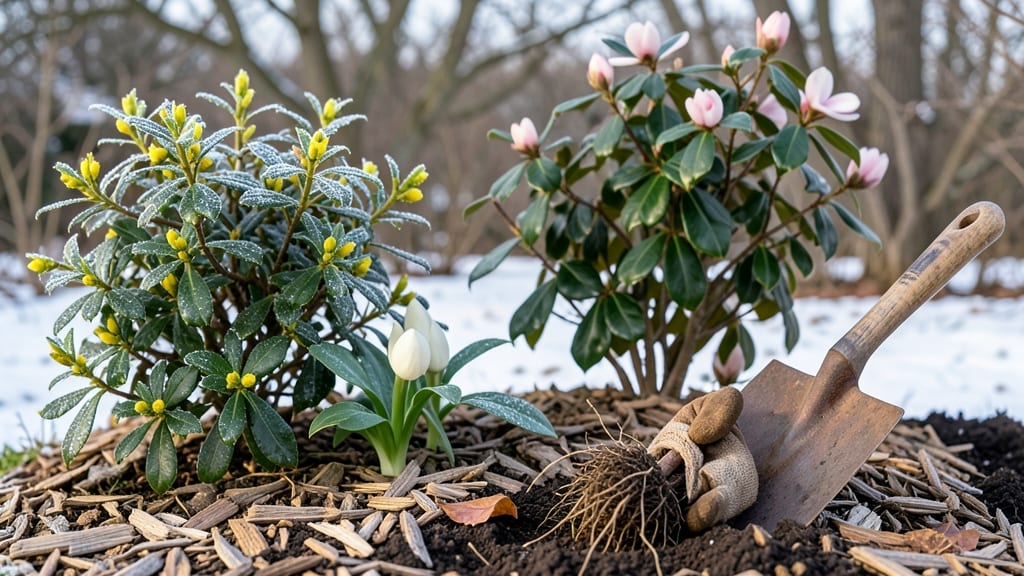
Planting shrubs in winter gives you a head start on next season's beauty—cold-hardy varieties thrive when others struggle. 🌿 I’ve planted winter shrubs for years, and the ones that survive (and even thrive!) in frost are game-changers for year-round interest.
The key? Choosing the right species and giving them a little extra care during dormancy.
Evergreens like inkberry holly and dwarf Alberta spruce hold their needles through snow, while deciduous options like winterberry and serviceberry offer striking bark and berries when everything else is bare.
These shrubs establish roots before spring competition, so they bloom bigger and stronger sooner. Just add a thick layer of mulch after planting to protect tender roots.
You’ll end up with a landscape that stays vibrant even in January—glossy foliage, bright berries, or striking bark where others fade. The secret is soil prep: loosen the ground, add compost, and water deeply before the first hard freeze. These shrubs reward patience with decades of low-maintenance beauty.
Works for Zone 3 through Zone 7, though Mediterranean climates can extend the list to drought-tolerant types like manzanita. Whether you’re filling a bare spot or adding structure, winter planting means fewer summer surprises. Let’s dig in!
📚 In This Guide
- What you need
- Instructions
- Tips and common mistakes
- Wrapping up and next steps
What you need
- ● Cold-hardy shrub plants: Choose from boxwood, holly, inkberry, or winterberry (3–5 plants, depending on desired coverage). Opt for bare-root or container-grown varieties for winter planting.
- ● Garden gloves: A pair of durable, waterproof gloves (e.g., Wolverine or Fellex) to protect your hands from thorns and cold soil.
- ● Hand trowel or spade: A stainless-steel or heavy-duty trowel (6–8" blade) for digging holes.
- ● Shovel: A round-point shovel (for breaking up compacted soil).
- ● Pruning shears: Bypass pruners (for trimming dead foliage post-planting).
- ● Mulch: 3–4 inches of organic mulch (e.g., pine straw, shredded bark, or wood chips) to insulate roots.
- ● Compost or slow-release fertilizer: Balanced 10-10-10 or organic options (1–2 cups per plant).
- ● Watering can or hose with nozzle: A spray nozzle for gentle watering (avoid heavy streams in winter).
- ● Soil test kit: To check pH and nutrient levels (ideal range: 5.5–7.0 for most shrubs).
- ● Root stimulator: Mycorrhizal fungi or seaweed extract to boost root growth.
- ● Plant supports: Stakes or cages for tall shrubs (e.g., winterberry) to prevent wind damage.
- ● Winter protection cloth: Frost cloth (for newly planted tender varieties in extreme cold).
- ● Knee pad: For comfort during long planting sessions.
How to plant cold-hardy shrubs in winter for year-round impact
Winter planting works beautifully for shrubs—here’s how to choose and establish frost-resistant varieties that thrive in cold climates.
🌿 Step 1: Select Shrubs Rated for Your Hardiness Zone
Choose shrubs labeled for your USDA hardiness zone—look for varieties like inkberry holly, winterberry, or serviceberry, all rated for zones 3-8. These handle freezing temperatures and snow without transplant shock. Check the plant tag for cold tolerance ratings; anything below zone 5 is risky unless you have microclimate protection.
Bare-root shrubs are ideal for winter planting because their dormant state reduces stress. If buying potted plants, select those with well-developed root systems—you’ll see dense, fibrous roots when you gently loosen the soil. Avoid container-grown shrubs with circling roots; these struggle to adapt in cold soil.
🪴 Step 2: Prepare the Planting Site Before Frost
Dig the planting hole twice as wide as the root ball but no deeper—this prevents soil settling that buries the shrub too deeply. Amend the native soil with 2-3 inches of compost mixed into the bottom and sides of the hole. Cold soil compacts easily, so loose, nutrient-rich soil helps roots establish faster.
Water the hole thoroughly 24 hours before planting to settle the soil. If your ground is frozen, use a shovel or ice pick to break up the top 6 inches of soil—this creates space for roots to spread without smothering. Mulch the area with 3-4 inches of shredded bark after planting to insulate roots from temperature swings.
☀️ Step 3: Plant and Water for Winter Establishment
Place the shrub in the hole so the top of the root ball sits level with the surrounding soil—never bury the stem. Backfill with native soil mixed with compost, tamping gently to remove air pockets. Water deeply until the soil 12 inches down is moist, but avoid soggy conditions that cause rot.
Stake only if the shrub is tall or top-heavy—use soft ties to avoid girdling stems. Once planted, apply a 2-inch layer of mulch over the root zone, keeping it 6 inches away from the stem to prevent moisture buildup. This mulch layer acts like a blanket, protecting roots from freeze-thaw cycles.
⏰ Step 4: Monitor and Protect Through Freeze-Thaw Cycles
Check the planting site every 10-14 days for signs of heaving—when soil expands and contracts, it can push plants out of the ground. If you see the shrub shifting, gently press it back into place and water lightly to settle the soil. Avoid fertilizing until spring, as cold soil slows nutrient uptake.
If a hard freeze (below 15°F) is forecast, drape burlap or frost cloth loosely over the shrub to shield it from windburn. Remove it during the day if temperatures rise above 32°F to prevent overheating. Most cold-hardy shrubs bounce back with minimal protection, but young plants benefit from this extra care.
🌱 Step 5: Prune and Feed in Early Spring
Wait until late winter or early spring (when buds swell but before new growth) to prune. Remove any dead, damaged, or crossing branches, cutting back to a healthy bud or lateral branch. Avoid heavy pruning in winter—it stresses dormant plants and invites disease.
Apply a balanced, slow-release fertilizer (10-10-10) in early spring once the ground thaws. Water deeply after fertilizing to help nutrients penetrate the soil. By mid-summer, your shrubs should show vigorous new growth, proving they’ve established roots despite the cold.
Tips & tricks for planting cold-hardy shrubs in winter
Winter planting isn't just possible—it's a smart move for shrubs that need time to establish roots before summer heat arrives. Here's how to set yourself up for success without common pitfalls.
Cold Tolerance Check: When selecting shrubs, focus on varieties labeled for your specific USDA hardiness zone. I always double-check the tag for cold tolerance ratings—anything below zone 5 needs extra protection unless you have a sheltered microclimate. For example, inkberry holly thrives in zone 3, while winterberry prefers zone 4. This attention to detail prevents winter die-off that can happen with marginally hardy plants.
Root System Inspection: For bare-root shrubs, inspect the roots before purchasing—look for dense, fibrous roots that spread outward from the base. If buying potted plants, gently loosen the soil to check for well-developed roots. I've learned the hard way that container-grown shrubs with circling roots struggle to adapt in cold soil. This inspection step saves you from planting plants that won't establish properly in winter conditions.
Soil Preparation Strategy: The 24-hour watering requirement before planting is crucial—it helps settle the soil and prevents air pockets that can trap cold air around roots. If your ground is frozen, break up the top 6 inches with a shovel or ice pick to create space for root spread. I've found that adding 2-3 inches of compost to the planting hole creates the ideal loose, nutrient-rich environment that cold soil tends to compact. This preparation makes all the difference in winter establishment.
Mulching Technique: Apply that 2-inch layer of mulch immediately after planting, keeping it 6 inches away from the stem to prevent moisture buildup. I've seen many gardeners make the mistake of piling mulch directly against the stem, which can cause rot. The mulch acts like a thermal blanket, protecting roots from freeze-thaw cycles that can heave plants out of the ground. This simple technique has helped my winter-planted shrubs survive even the harshest winters.
Pro Tips for Shrubs You Can Plant In Winter
- Winter planting isn't just possible—it's a smart move for shrubs that need time to establish roots before summer heat...
- Cold Tolerance Check: When selecting shrubs, focus on varieties labeled for your specific USDA hardiness zone. I alwa...
- Root System Inspection: For bare-root shrubs, inspect the roots before purchasing—look for dense, fibrous roots that ...
Frequently asked questions
Got questions about winter shrub planting?
Here are the answers to the most common ones—so you can plant with confidence, even when it’s chilly outside!
Can I plant shrubs in winter if the ground is frozen?
Nope! Wait until the soil is workable—typically when temperatures hover around 40°F (4°C) and the ground isn’t rock-hard. Frozen soil can damage roots or prevent proper planting depth. Test with a trowel: if it slides in easily, you’re good to go!
How long does it take for winter-planted shrubs to establish?
Most cold-hardy shrubs take 1–2 years to fully establish, but they’ll start growing roots immediately in winter. Focus on mulching (2–3 inches) to protect them from freeze-thaw cycles. Patience pays off—you’ll see new growth by spring!
What’s the best mulch for winter-planted shrubs?
Use organic mulch like shredded bark, straw, or wood chips (2–4 inches thick). Avoid fresh wood chips, which can draw moisture away. Mulch insulates roots, retains warmth, and suppresses weeds—just keep it away from the stem to prevent rot.
Will winter-planted shrubs survive heavy snow or ice?
Yes, but lightweight snow is better than packed ice. Gently brush off accumulation to prevent stem breakage. For icy regions, choose flexible, sturdy shrubs like winterberry or inkberry. If branches bend under snow, tie them loosely with twine for support.
What if my winter-planted shrub looks dead in spring?
Don’t panic! Many shrubs (like dwarf lilacs or potentilla) stay dormant until late spring. Check for green buds or new shoots—if they’re alive, water deeply and wait. If no signs appear, it may need replanting.
Still unsure? Drop your question below—we’re happy to help you green-thumb it!
Wrapping up and next steps
Winter planting might seem tricky, but cold-hardy shrubs prove that beauty thrives even in chilly seasons! 🌿❄️ From evergreens like Boxwood to flowering favorites such as Winter Daphnes, these resilient plants add structure, color, and life to your landscape—no matter the frost.
Whether you’re a beginner or a seasoned gardener, now’s the perfect time to expand your garden’s charm with low-maintenance, frost-resistant options.
Ready to take the next step? Start by choosing 1-2 shrubs that match your climate and design goals, then grab your gloves and get planting! Your future garden will thank you—one winter-hardy shrub at a time. 🌱