
Diseases
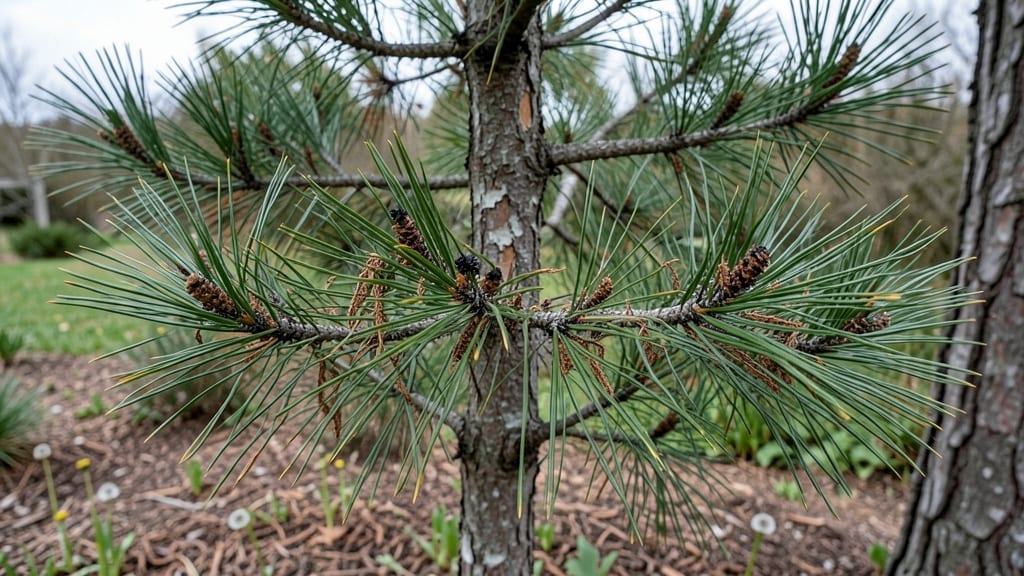
Pine shrub diseases can turn your evergreen beauty into a sad, brown mess if you don’t catch them early. 🌲 I’ve seen needle blight, rust, and canker turn healthy pines into a gardener’s nightmare—and I’m here to help you spot and stop them before they spread.
The key is knowing what to look for, from tiny orange spots to oozing cankers, so you can act fast.
Most of these fungal problems start with stress—too much shade, poor drainage, or overwatering. I learned the hard way when my windbreak pines developed rust after years of wet winters. The good news?
Proper spacing, pruning to improve airflow, and watering at the base (not overhead) can cut your risk by half. Even my black thumb can keep pines thriving with these simple habits.
Once you identify the issue, organic fixes like copper fungicide or neem oil often work wonders. For severe cases, targeted pruning removes infected branches before the disease spreads further. The goal?
Restore that rich green color and keep your pines looking sharp for years. We’ll walk through each problem step by step so you can tackle it with confidence.
This works for all pine varieties, whether you’ve got dwarf Japanese pines in containers or towering ponderosas in your yard. The same principles apply—just adjust the scale. Let’s get those pines back to their best and keep them that way.
Root Causes Behind Pine Shrub Ailments
Pine shrubs, with their rugged resilience, can still fall prey to diseases that disrupt their health and beauty. Understanding why these issues arise is the first step toward prevention and effective treatment.
Below, we break down the key factors that trigger pine shrub diseases, focusing on the most common culprits and their scientific roots.
Fungi are the primary culprits behind most pine shrub diseases, thriving in moist, shaded environments where airflow is restricted. These microscopic organisms release spores that infect plants through wounds, leaves, or roots. Some of the most aggressive fungal diseases affecting pines include:
- Brown Spot Needle Blight: Caused by Scirrhia acicola, this fungus spreads rapidly in warm, humid conditions. It targets needles, causing them to turn brown and drop prematurely. The fungus overwinters in infected needles, ready to reinfect the shrub when conditions are favorable.
- Dothistroma Needle Blight: The pathogen Dothistroma septosporum thrives in coastal regions with mild winters and high rainfall. It produces dark, elongated lesions on needles, eventually killing them. The fungus survives in infected plant debris, making it persistent in gardens.
- Root Rot (Armillaria or Phytophthora): These soil-borne fungi attack the roots, cutting off the shrub’s nutrient and water supply. Armillaria (honey fungus) spreads through root grafts, while Phytophthora thrives in waterlogged soils, creating ideal conditions for infection.
💡 Pro Tip: Fungal spores often hitchhike on tools, wind, or even splashing water. Always sterilize pruners with a 10% bleach solution (1 part bleach to 9 parts water) after trimming infected branches to prevent cross-contamination.
Pine shrubs are hardy, but extreme or inconsistent environmental conditions can weaken their defenses, making them vulnerable to disease. Key stressors include:
| Factor | How It Weakens Pines | Disease Risk |
|---|---|---|
| 🌧️ Excess Moisture | Soggy soil or prolonged leaf wetness creates ideal conditions for fungal spores to germinate and infect. Poor drainage or overhead watering exacerbates the problem. | Root rot, needle blights, and powdery mildew. |
| ☀️🔥 Heat and Drought | Drought stress reduces the shrub’s ability to fight off pathogens. Heatwaves can also scorch needles, creating entry points for infections. | Brown spot blight, tip blight, and increased susceptibility to secondary infections. |
| 🌳 Poor Air Circulation | Dense planting or overcrowded shrubs trap humidity, preventing foliage from drying quickly after rain or watering. | Fungal diseases like needle cast and powdery mildew. |
| ❄️ Cold or Freezing Temperatures | Sudden temperature drops can damage cell membranes, making pines more susceptible to frost cracks and fungal invasions. | Winter desiccation and increased risk of Armillaria root rot. |
🌡️ Pro Tip: Monitor soil moisture with a moisture meter—pines prefer well-draining soil with a pH of 4.5–6.0. Mulch with pine needles or bark to improve soil structure and reduce moisture extremes.
Insects and physical injuries create openings that pathogens exploit. Common pests and damage sources include:
- Sawfly Larvae: These caterpillar-like pests chew on pine needles, creating wounds that invite fungal infections like Lophodermium needle cast.
- Adelgids and Aphids: These sap-sucking insects weaken pines by draining nutrients, making them more susceptible to secondary fungal or bacterial diseases.
- Mechanical Damage: Poor pruning techniques (e.g., cutting too close to the trunk or using dirty tools) can introduce bacteria or fungi directly into the plant.
- Hail or Wind Damage: Physical trauma from storms creates entry points for pathogens, especially in young or stressed shrubs.
✨ Pro Tip: Inspect your pines regularly for signs of pest activity (e.g., sticky residue from aphids or sawfly frass). Use horticultural oil or insecticidal soap to treat infestations early, and always prune during dry weather to minimize stress.
Even the hardiest pines suffer when basic care is neglected. Common mistakes that pave the way for disease include:
- Over-Fertilizing: Excess nitrogen promotes lush, soft growth that’s more susceptible to fungal infections. Pines prefer lean, acidic soil.
- Improper Watering: Overhead irrigation (especially at night) keeps foliage wet, encouraging fungal spores to germinate. Drip irrigation is ideal.
- Ignoring Soil Health: Compacted or alkaline soil restricts root growth, weakening the shrub’s immune response. Amend soil with sulfur or organic matter to maintain acidity.
- Planting in Low-Lying Areas: Pines in depressions or near downspouts are prone to waterlogging, a primary trigger for root rot.
🎯 Pro Tip: Conduct a soil test every 2–3 years to monitor pH and nutrient levels. Adjust with elemental sulfur (to lower pH) or peat moss (to improve drainage) as needed.
Fixing Fungal Foes in Pine Shrubs
Pine shrubs are tough, but fungal diseases can turn their needles brown, stunt growth, or even kill them if left unchecked. The good news? Most issues are treatable with the right approach.
Below, we’ll match common fungal problems to practical, step-by-step fixes—plus prevention tips to keep your pines thriving long-term.
Cause: Cronartium or Coleosporium fungi create orange pustules on needles (rust). Fix: ✅ 🔪 Prune Infected Branches – Cut off and dispose of (don’t compost!) branches with rust pustules in early spring before spores spread. Sterilize pruners with 70% rubbing alcohol between cuts.
✅ 🌡️ Fungicide Spray Schedule – Apply a copper-based fungicide (like copper sulfate) or neem oil every 2–3 weeks from late winter to early summer. For severe cases, use propiconazole (follow label rates).
✅ 🌳 Improve Airflow – Thin dense foliage to reduce humidity, which fungi love. Space shrubs 3–5 feet apart if replanting.
💡 Prevention Pro Tip: Plant rust-resistant pine varieties like Pinus sylvestris (Scots pine) or Pinus strobus (white pine) if rust is rampant in your area.
Cause: Lophodermium or Sirococcus fungi cause purple-brown needles that drop prematurely. Fix: ✅ 🍳 Clean Up Debris – Remove and burn or bag fallen needles and twigs (fungi overwinter here). Rake up leaf litter around the base.
✅ 👨🍳 Targeted Fungicide Treatment – Spray with myclobutanil or chlorothalonil twice: once in early spring (before new growth) and again 6 weeks later. Water the soil before spraying to help absorption.
✅ 💦 Adjust Watering Habits – Water deeply but infrequently (1–2 inches per week) to avoid soggy soil. Morning watering prevents evening moisture buildup.
🌡️ 🔥 Heat Therapy (For Severe Cases): If blight persists, try solarization—cover the soil with clear plastic for 4–6 weeks in summer to kill fungal spores.
Cause: Fusarium or Leptographium fungi create sunken, oozing cankers on branches. Fix: ⏰ ⚔️ Act Fast—Prune Early – Cut out all infected branches (at least 6 inches below the canker) in dry weather. Seal cuts with pruning paint (optional but helpful).
✅ 🧴 Apply Fungicidal Paste – Mix copper fungicide with pruning sealant and apply to cuts. Reapply every 2–3 months until new growth appears.
✅ 🌿 Strengthen the Shrub – Fertilize with a balanced, slow-release fertilizer (10-10-10) in early spring to boost immunity. Avoid overwatering—drainage is key.
💡 ✨ Prevention Hack: Plant pines in well-draining soil and avoid wounding branches (e.g., from lawnmowers). If cankers reappear, consider removing the shrub to prevent spread.
Cause: Dothistroma septosporum creates red bands on needles, which turn gray and drop. Fix: 🔥 🍳 Burn or Bag Infected Needles – Collect and destroy fallen needles immediately. Avoid mulching them.
🍳 👨🍳 Fungicide Rotation – Alternate between propiconazole and tebuconazole every 2 weeks from late spring to early fall. Start at the first sign of red bands.
💦 🌡️ Water Wisely – Deep water once weekly (avoid overhead sprinklers). Morning watering reduces humidity at night.
🌳 🌿 Thinning Trick: If the shrub is overcrowded, prune to improve airflow—fungi thrive in damp, shaded areas.
Even after treating diseases, proactive care stops recurrence: - 🌡️ Soil Test First – Ensure pH is 5.0–6.5 (pines prefer acidic soil).
Amend with sulfur if needed. - 🍄 Mulch Right – Use 3–4 inches of pine bark mulch, keeping it 6 inches away from the trunk. - 🐞 Pest Patrol – Watch for pine beetles or aphids, which weaken shrubs and invite fungi. - 🌱 Resistant Varieties – If a disease is persistent in your area, swap for disease-resistant pines like Pinus mugo (mugo pine) or Pinus nigra (Austrian pine).
🎯 Final Reminder: Catching fungal issues early makes treatment easier and more effective. Once a pine shrub is severely infected, prevention is your best tool—so stay vigilant!
Frequently asked questions
What are the first signs my pine shrub has a fungal disease?
Watch for discolored needles (brown, purple, or orange spots), premature needle drop, or unusual growths like orange pustules on branches. Check the undersides of needles too—some fungi like rust show up there first. If you see sunken, oozing areas on branches, that’s a sign of canker disease.
Can I use home remedies like baking soda or vinegar to treat pine shrub diseases?
While baking soda (1 teaspoon per quart of water + a drop of dish soap) can help with powdery mildew, it won’t stop serious fungal infections like needle blight or rust. For those, use copper fungicide or neem oil instead. Vinegar is too harsh—it can damage needles and make the problem worse.
How do I know if my pine shrub needs to be removed because of disease?
Remove the shrub if more than 50% of branches are infected, especially with canker disease or root rot. Look for wilted needles, oozing wounds, or mushrooms growing at the base—these are red flags. If the disease keeps returning despite treatments, it’s safer to replace it with a resistant variety.
Why does my pine shrub get diseases every year, even after treatment?
Fungal spores often linger in fallen needles, soil, or tools, reinfecting your shrub. Poor airflow, overwatering, or stress from drought also weaken defenses. Try pruning for airflow, sterilizing tools, and watering at the base (not overhead) to break the cycle.
Are there pine varieties that naturally resist diseases?
Yes! Mugo pine and Austrian pine are tougher against rust and blight. For coastal areas, Scots pine handles Dothistroma needle blight better. Always check local nursery recommendations—some regions have specific disease pressures.