
Picking
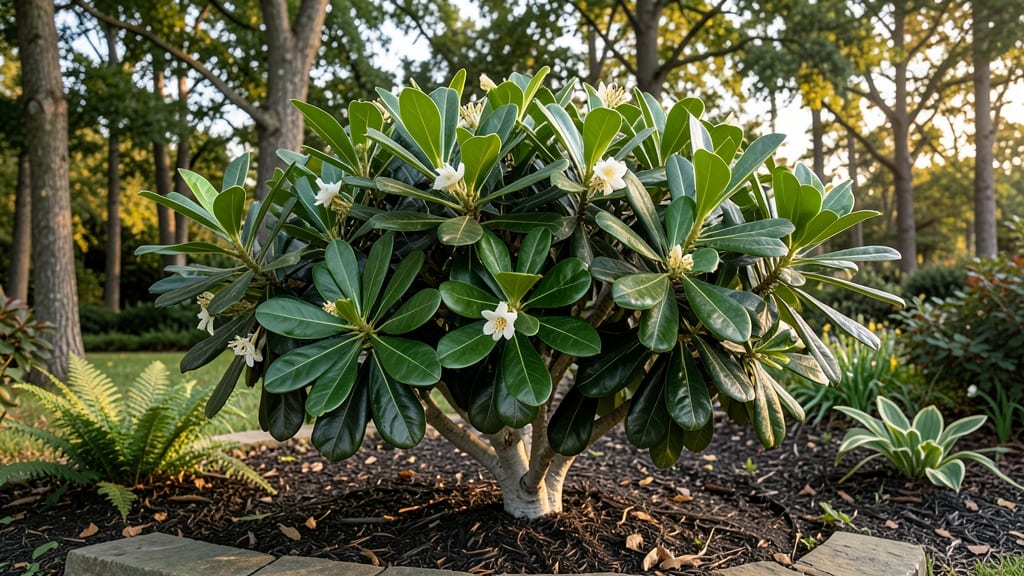
Michelia figo transforms your garden into a fragrant paradise with its banana-scented blooms. 🌿 I fell for this shrub after seeing it in a friend’s yard—its glossy leaves and intoxicating fragrance made me want one immediately.
The key to success lies in mimicking its natural tropical habitat while keeping it manageable in temperate climates.
This shrub thrives in partial shade, rich soil, and consistent moisture—think of it as a high-maintenance diva that rewards patience. Plant it in well-draining soil with a touch of organic matter, and keep it sheltered from harsh winds.
Once established, it becomes drought-tolerant but still appreciates regular watering during dry spells.
Pruning in late winter or early spring keeps it compact and encourages fresh growth. The real magic happens when those creamy-white, banana-scented flowers burst open, filling the air with a sweet, tropical aroma. With the right care, your Michelia figo will bloom year-round in mild climates.
Perfect for hedges, specimen plantings, or even container growing in smaller spaces. The only challenge is resisting the urge to pinch every bloom—trust the process, and your garden will thank you with a fragrant canopy that lasts for decades.
📚 In This Guide
- What you need
- Instructions
- Tips and common mistakes
- Wrapping up and next steps
What you need
- ● Michelia figo seeds or saplings: 1-3 (ensure they’re from a reputable nursery for best results).
- ● Well-draining potting mix: 5-10 gallons (blend of peat moss, perlite, and compost for optimal aeration).
- ● Pot or garden space: Container: 12-18" diameter (for pots) with drainage holes.
- ● Garden bed: Full-sun to partial shade spot (6+ hours of light daily).
- ● Watering can or hose: With a gentle spray nozzle for hydration.
- ● Fertilizer: Balanced 10-10-10 or acidic fertilizer (e.g., 8-3-9) for tropical plants.
- ● Pruning shears: Sharp, sterilized pair for shaping and maintenance.
- ● Humidity tray or pebble tray: Helps maintain tropical moisture levels.
- ● Mulch (pine bark or leaves): 2-3 inches to retain soil moisture.
- ● pH test kit: To monitor soil acidity (ideal range: 5.5-6.5).
- ● Support stake or trellis: For young shrubs (if needed for structure).
- ● Slow-release fertilizer tablets: Convenient for long-term nutrition.
Step-by-Step instructions for cultivating Michelia figo (banana shrub)
Here’s how to coax this fragrant evergreen into a thriving, blooming centerpiece with minimal fuss.
🌱 Step 1: Choose the Perfect Planting Site
Michelia figo thrives in partial shade to dappled sunlight—think 4-6 hours of morning sun with afternoon shade protection. Full sun scorches its glossy leaves, while deep shade stunts flowering. I always plant mine near a south-facing wall or under high-canopy trees where roots stay cool but leaves get filtered light.
This shrub’s roots despise soggy soil, so avoid low spots where water pools. Amend native soil with 3-4 inches of organic matter (like compost or leaf mold) to improve drainage. Test your spot by digging a 1-foot-deep hole—if water sits above the 6-inch mark after 30 minutes, raise the planting area with a mound of amended soil.
☀️ Step 2: Plant with Precision for Long-Term Health
Dig a hole twice as wide as the root ball but only as deep as the container’s base—planting too deep suffocates roots. Gently loosen the root ball’s edges with your fingers to encourage outward growth. Place the shrub so the top of the root ball sits 1 inch above ground level—this prevents waterlogging during heavy rains.
Backfill with native soil mixed with 1 part compost, tamping lightly every 2 inches to eliminate air pockets. Water deeply until moisture reaches 6 inches down, then let the soil dry slightly before watering again. Mulch with 2-3 inches of wood chips, keeping mulch 6 inches away from the trunk to prevent rot.
💧 Step 3: Water Strategically for Fragrant Blooms
Young plants need deep watering every 5-7 days, while established shrubs tolerate drought-like conditions once rooted. The key is consistent moisture—never let the soil dry completely, but avoid soggy roots. You’ll know it’s time to water when the top 2 inches of soil feel dry to touch.
Water at the base in the morning to reduce fungal risks. Michelia figo’s glossy leaves signal its needs: dull, curling leaves mean underwatering; yellowing leaves signal overwatering. I use a soaker hose for established plants to deliver water slowly without disturbing the soil surface.
✂️ Step 4: Prune for Shape and Seasonal Renewal
Prune right after flowering (late winter/early spring) to shape the shrub and encourage dense growth. Remove dead or crossing branches first, then trim back any leggy growth to ½ its length. Never cut into old wood—Michelia figo blooms on new growth, so pruning too late in the season sacrifices next year’s flowers.
For a lush canopy, I lightly pinch back new growth tips in early summer to promote bushier branching. Use clean, sharp pruners and make cuts at a 45-degree angle just above a leaf node. After pruning, apply a balanced fertilizer (10-10-10) to support regrowth.
🌿 Step 5: Protect and Maintain for Year-Round Perfume
Michelia figo’s banana-scented blooms appear in late winter, so avoid heavy pruning during this time. In cold climates, protect young plants with burlap wraps if temperatures dip below 15°F. Established shrubs handle USDA Zone 8-11 without issues, but their roots appreciate mulch protection in winter.
Watch for scale insects on new growth—wipe leaves with neem oil if you spot sticky residue. I also fertilize twice a year: once in early spring with slow-release granules and again after flowering with acid-loving plant food. This keeps the foliage vibrant and blooms abundant.
Tips & tricks for cultivating thriving Michelia figo
A few strategic moves will turn your banana shrub into a fragrant, blooming powerhouse with minimal effort.
Soil Test Before Planting: The 30-minute water test in Step 1 is non-negotiable—waterlogged roots are the #1 killer of Michelia figo. If your soil drains poorly, create a raised bed with a 2:1 ratio of native soil to compost. I've seen plants in heavy clay thrive when planted on a 6-inch mound of amended soil, while those in low spots with poor drainage struggle even with perfect sunlight.
Morning Sun Matters: Those critical 4-6 hours of morning sun in Step 1 aren't just about light—they're about temperature. Early sunlight warms the leaves gently, while afternoon shade prevents the intense heat that causes leaf scorch. If you're planting in a hot climate, consider a 50% shade cloth during peak afternoon hours until the plant establishes its root system for about 3 months.
Pruning Precision: When you're trimming back leggy growth to half its length in Step 4, focus on creating an open center rather than just reducing size. This improves airflow and light penetration to the inner branches, which is where many of those banana-scented blooms will appear. I always make my cuts just above a leaf node at a 45-degree angle—this promotes faster healing and prevents water from pooling on the cut surface.
Winter Protection Strategy: The 15°F threshold in Step 5 is your guide, but don't wait until the last minute. Young plants need protection when temperatures approach 20°F, not just at 15°F. I wrap mine in burlap and surround them with a thick layer of straw mulch (4-6 inches) when cold snaps are forecasted. This creates an insulating blanket that can protect roots down to about 10°F for short periods.
Pro Tips for Banana Shrub Michelia Figo
- A few strategic moves will turn your banana shrub into a fragrant, blooming powerhouse with minimal effort.
- Soil Test Before Planting: The 30-minute water test in Step 1 is non-negotiable—waterlogged roots are the #1 killer o...
- Morning Sun Matters: Those critical 4-6 hours of morning sun in Step 1 aren't just about light—they're about temperat...
Frequently asked questions
Got questions about growing and caring for your Michelia figo (banana shrub)?
Here are some of the most common ones—and their answers—to help you master this fragrant beauty!
How fast does the banana shrub grow, and how big will it get?
The Michelia figo grows at a moderate pace, adding about 12–24 inches per year under ideal conditions. Mature plants typically reach 10–20 feet tall and 8–15 feet wide, making them perfect for hedges, screens, or standalone specimen plants. Patience is key—full size may take 5–10 years!
When is the best time to plant or transplant a banana shrub?
Plant your Michelia figo in early spring or fall when temperatures are mild (avoid extreme heat or frost). This gives roots time to establish before summer stress. If transplanting an established plant, do it in late winter before new growth starts. Water deeply after planting and mulch to retain moisture.
Why aren’t my banana shrub leaves turning green, and what can I fix?
Yellowing or pale leaves often signal nutrient deficiency (commonly iron or nitrogen) or overwatering. Test your soil’s pH—Michelia figo thrives in acidic to slightly acidic soil (pH 5.0–6.5). Apply a balanced fertilizer in spring, and ensure well-draining soil. If roots are soggy, reduce watering and improve drainage.
Are banana shrubs prone to pests, and how do I protect them?
While generally pest-resistant, Michelia figo may attract aphids, scale, or spider mites in dry conditions. Preventive care includes regular watering, pruning for airflow, and neem oil sprays if pests appear. Avoid heavy chemical treatments—they can harm the plant’s delicate blooms. Ladybugs and lacewings are natural allies!
Can I grow a banana shrub in a container, or is it better in the ground?
Yes! Michelia figo can thrive in large containers (20+ gallons) with well-draining soil and regular feeding. Choose a wide, shallow pot to accommodate its spreading roots. Move containers indoors or to a sheltered spot if temperatures drop below 20°F (-7°C). Just ensure it gets bright, indirect light—direct sun can scorch leaves.
Wrapping up and next steps
The Banana Shrub (Michelia figo) is a fragrant gem that rewards patience with stunning blooms and year-round beauty—perfect for gardeners eager to elevate their outdoor space! 🌿 With the right care, this tropical treasure thrives as a statement plant, offering sweet, banana-like blossoms that perfume the air and attract pollinators.
Whether you’re a beginner or a seasoned green thumb, its adaptability makes it a must-have for containers, borders, or even as a striking focal point.
Ready to transform your garden?
Start by selecting a healthy plant, prepping your soil, and following the care tips shared here. Next, share your progress! Snap photos of your Banana Shrub’s growth, blooms, or even its fragrant flowers, and tag us—we’d love to see your fragrant canopy in action! 🌸