
Shrubs
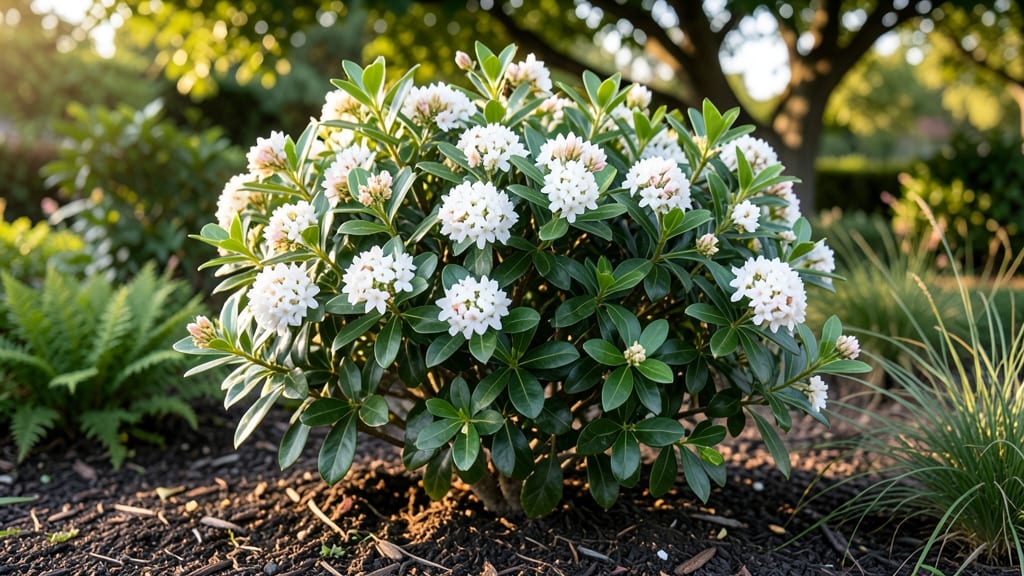
Your backyard could smell like a Moroccan garden by summer. 🌿 Arabian jasmine isn’t just a shrub—it’s a fragrant privacy screen that transforms any space into a tranquil retreat. Unlike common jasmine, this variety thrives in heat and drought, making it perfect for sunny climates.
The secret to its rapid growth lies in well-draining soil and morning sun. Plant in early spring, space them 3-4 feet apart, and watch them fill in within 3 years. Regular pruning after flowering keeps them compact and encourages more blooms.
By mid-summer, you’ll be harvesting pounds of fragrant blossoms for teas, perfumes, or simply to enjoy their intoxicating scent. The glossy leaves add lush greenery year-round, even in drought conditions. Works beautifully as a hedge, trellis climber, or standalone specimen. Here’s how to make it thrive in your garden!
📚 In This Guide
- What you need
- Instructions
- Tips and common mistakes
- Wrapping up and next steps
What you need
- ● Arabian jasmine plants: 3–5 young shrubs (6–12 inches tall) for a lush, layered look. Pro tip: Choose Trachelospermum jasminoides (star jasmine) or Jasminum sambac (Arabian jasmine) for the best fragrance!
- ● Well-draining potting mix: 10–15 gallons (for containers) or amend garden soil with compost (50%) + perlite/sand (30%) + peat moss (20%).
- ● Organic fertilizer: Balanced 10-10-10 NPK or slow-release rose/flower fertilizer (1–2 lbs per plant).
- ● Pruning shears: Sharp, bypass-style (4–6 inch blades) for clean cuts.
- ● Garden gloves: Heavy-duty to protect against thorns (especially for Jasminum sambac).
- ● Mulch: 2–3 inches of wood chips or pine straw to retain moisture and suppress weeds.
- ○ Drip irrigation or soaker hose: For consistent watering (optional but highly recommended for young plants).
- ● Sunlight access: Full sun (6+ hours/day) or partial shade (morning sun + afternoon shade in hot climates).
- ● pH-tested soil: Ideal range: 6.0–7.0. Adjust with lime (to raise pH) or sulfur (to lower) if needed.
- ○ Support structure (optional): Trellis or fence for climbing varieties (e.g., Jasminum sambac).
- ○ Epsom salt (optional): 1 tbsp/month for magnesium boost (great for yellowing leaves).
- ○ Neem oil (optional): For pest control (aphids, spider mites).
Step-by-Step instructions for planting and cultivating Arabian jasmine
Here's how to establish a fragrant, lush privacy screen that thrives for decades.
🌱 Step 1: Select and Prepare the Planting Site
Arabian jasmine (Jasminum sambac) thrives in full sun to partial shade with at least 6 hours of direct sunlight daily. Choose a location with well-draining soil—this plant despises soggy roots. If your soil is heavy clay, amend it with 3-4 inches of compost mixed into the top 12 inches of soil before planting.
Test your site's moisture level by digging a 6-inch hole—if water pools after 30 minutes, improve drainage by adding 1-2 inches of coarse sand or gravel to the bottom of the planting area. The ideal soil pH for Arabian jasmine is 6.0-7.0, so test your soil and adjust with lime if needed. I always plant in early spring after the last frost date, giving roots 8-10 weeks to establish before summer heat arrives.
🪴 Step 2: Plant with Proper Spacing and Depth
Dig a hole twice as wide as the root ball but only as deep as the container's base. Gently remove the plant from its container and loosen any circling roots with your fingers—this encourages outward growth. Place the plant in the hole so the top of the root ball sits level with the surrounding soil (never bury the stem deeper than it was in the container).
For a privacy screen, space plants 4-6 feet apart in rows 5-6 feet apart. This spacing allows for natural air circulation and reduces disease risk. Backfill the hole with native soil, pressing lightly to eliminate air pockets. Water deeply to settle the soil around the roots, then add a 2-inch layer of mulch (keeping it 3 inches away from the stem) to retain moisture and suppress weeds. You'll know the roots are happy when new growth appears within 4-6 weeks.
☀️ Step 3: Establish Watering and Fertilizing Routines
Water newly planted Arabian jasmine deeply twice weekly for the first month, ensuring the soil stays evenly moist but not waterlogged. After that, reduce to once weekly during dry periods, checking moisture by sticking your finger 2 inches into the soil—if it feels dry, water thoroughly. This plant is drought-tolerant once established, but young shrubs need consistent moisture to develop strong roots.
Fertilize in early spring with a balanced 10-10-10 granular fertilizer, applying ½ cup per plant. Repeat in late spring and again in early summer. I avoid high-nitrogen fertilizers, which promote leafy growth at the expense of flowers. Instead, I use a low-nitrogen, high-phosphorus fertilizer (like 5-10-10) to encourage blooming. Prune spent flowers regularly to stimulate continuous blooming throughout the growing season.
✂️ Step 4: Prune for Shape and Health
Prune Arabian jasmine immediately after flowering to maintain shape and encourage bushier growth. Remove dead, diseased, or crossing branches first, cutting back to the nearest healthy bud. Then, trim 1/3 of the oldest wood to stimulate new growth. Use clean, sharp pruners and make cuts at a 45-degree angle just above an outward-facing bud.
For a privacy screen, I shape the shrubs annually in late winter or early spring before new growth begins. Aim for a rounded, tapered silhouette—this allows sunlight to reach the lower branches, promoting even growth. Avoid heavy pruning in fall, as new growth won’t harden off before winter. You’ll see vibrant new shoots within 2-3 weeks of pruning, signaling the plant is responding well.
🌿 Step 5: Protect and Maintain for Long-Term Growth
Arabian jasmine is relatively pest- and disease-resistant, but watch for aphids or spider mites on new growth. Treat infestations early with neem oil or a soapy water spray. In colder climates, protect young plants with burlap wraps or mulch during winter to prevent frost damage. This plant is hardy to USDA Zone 9, so if you live in colder areas, grow it in containers and overwinter indoors.
To maintain your fragrant privacy screen, monitor soil moisture during droughts and fertilize twice yearly (spring and summer). Prune lightly after each flowering cycle to keep the shrubs dense and flowering profusely. With proper care, your Arabian jasmine will reach 6-10 feet tall and wide within 3 years, creating a lush, fragrant barrier that blooms continuously from spring through fall.
Tips & tricks for thriving Arabian jasmine privacy screens
Here's what nobody tells you about cultivating these fragrant shrubs—lessons I learned after watching my first batch struggle.
Soil Preparation Secret: The 3-4 inches of compost in Step 1 isn't just about nutrients—it's about creating an airy, crumbly texture that mimics the plant's native tropical habitat. I learned this the hard way after planting in unamended heavy soil, where roots suffocated and new growth yellowed. For clay-heavy areas, mix in 1-2 inches of coarse sand at the bottom of the planting hole to prevent waterlogging, which is the #1 killer of young jasmine roots.
Planting Depth Caution: When placing your plant in Step 2, resist the urge to bury it deeper than its container level—this is a common mistake that leads to stem rot. The top of the root ball should sit flush with the surrounding soil. I've seen gardeners bury stems too deep, and within weeks, the plant showed signs of stress. Also, those 4-6 feet spacing recommendations? Stick to them religiously—crowding invites fungal diseases that jasmine shrubs hate.
Watering Wisdom: The twice-weekly watering in Step 3 is non-negotiable for the first month, but here's the trick: water deeply until you see moisture emerge from the drainage holes in your pot (if container-grown) or until the soil is 6 inches deep. I use a moisture meter to verify—if it reads dry at 2 inches, you're not watering enough. Once established, let the soil dry slightly between waterings to prevent root rot, especially in humid climates.
Pruning Precision: That 45-degree angle cut in Step 4 isn't just aesthetic—it creates a larger surface for water to evaporate, reducing disease risk. When shaping your privacy screen, focus on removing branches that cross or grow inward; these compete for sunlight and weaken the plant. I prune immediately after flowering to maintain shape and encourage bushier growth, but I always sterilize my pruners with rubbing alcohol between cuts to prevent bacterial spread.
Pro Tips for Arabian Jasmine Shrub
- Here's what nobody tells you about cultivating these fragrant shrubs—lessons I learned after watching my first batch struggle.
- Soil Preparation Secret: The 3-4 inches of compost in Step 1 isn't just about nutrients—it's about creating an airy, crumbly texture that mimics the plant's native tropical habitat.
- Planting Depth Caution: When placing your plant in Step 2, resist the urge to bury it deeper than its container level—this is a common mistake that leads to stem rot.
Frequently asked questions
Got questions about growing your Arabian jasmine shrub? You’re not alone—this fragrant beauty is full of surprises! Here are some of the most common queries, answered in a flash.
How fast does Arabian jasmine grow, and when will I get privacy?
The Arabian jasmine shrub grows at a moderate pace—expect 12–24 inches per year under ideal conditions. With consistent care, you can achieve a 6–8-foot-tall privacy screen in 3–5 years. For faster results, prune regularly to encourage bushier growth and plant multiple shrubs in a row.
Is Arabian jasmine cold-hardy? Can it survive winter?
This shrub thrives in USDA Zones 8–11, meaning it’s not frost-tolerant. In colder climates, plant it in containers** and bring it indoors before temperatures drop below 20°F (-6°C). If left outdoors, mulch heavily and protect it with burlap or frost cloth for best results.
How do I keep my Arabian jasmine shrub fragrant year-round?
Fragrance fades when the shrub is stressed. To keep it perfume-packed, ensure it gets full sun (6+ hours/day), well-draining soil, and regular watering (but no soggy roots!). Prune lightly after flowering to encourage new blooms—just avoid heavy cuts in late fall or winter.
Why aren’t my Arabian jasmine leaves staying green? Are pests the issue?
Yellowing or dropping leaves often signal overwatering, underwatering, or pest problems. Check for aphids, spider mites, or scale insects on the undersides of leaves. Treat with neem oil or insecticidal soap. If soil is the issue, adjust watering: keep it consistently moist but not waterlogged.
Can I grow Arabian jasmine in a pot? What’s the best container size?
Potted Arabian jasmine loves containers at least 18–24 inches deep and wide with drainage holes. Use a light, fast-draining potting mix and repot every 2–3 years to refresh nutrients. Place it in a sunny spot (like a patio or balcony) and water when the top inch of soil feels dry.
What’s a good alternative if I live in a colder climate?
If your zone is too chilly for Arabian jasmine, try these fragrant, cold-hardy shrubs:
- Gardenia (Zones 8–10, but some varieties tolerate Zone 7 with protection)
- Mock Orange (Philadelphus) (Zones 4–8, highly fragrant)
- Dwarf Lilac (Syringa meyeri) (Zones 3–8, compact and sweet-smelling)
- Abelia (Zones 6–9, blooms spring to fall)
Wrapping up and next steps
Growing an Arabian jasmine shrub is a rewarding journey that brings fragrant beauty and natural privacy to your space in just three years!
With the right soil, sunlight, and care, you’ll enjoy its intoxicating blooms and lush foliage for decades. Don’t wait—plant one today and transform your outdoor area into a serene sanctuary!
Ready to take the next step? Start by selecting your spot, gathering supplies, and following the planting tips outlined above. Happy gardening—your future fragrant haven awaits! 🌿✨