
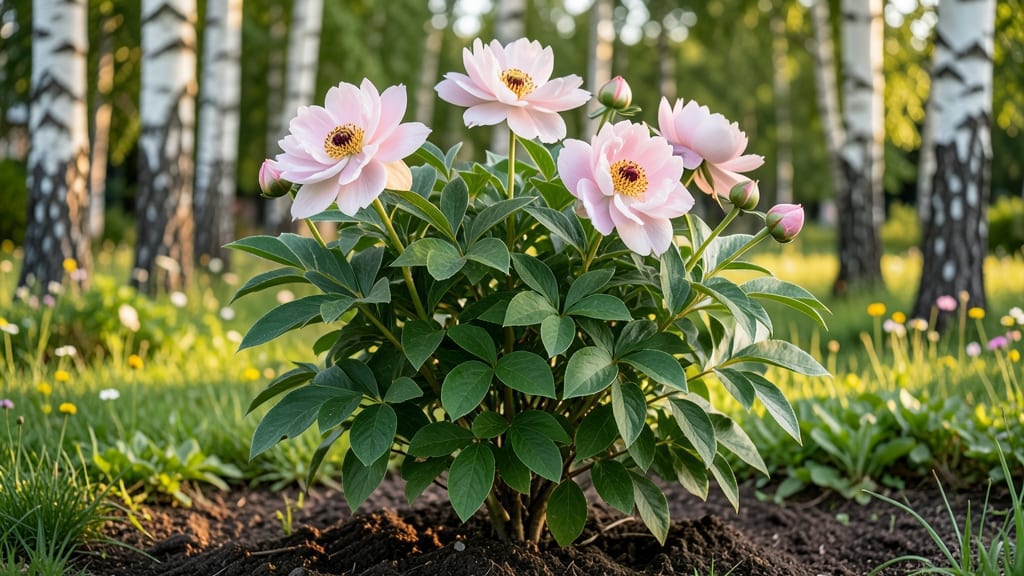
Peony Shrub Size: Variety-Specific Heights and Spacing Guide

Mower

Peony Shrub Size: Variety-Specific Heights and Spacing Guide

Peonies grow into shrubs with mature sizes ranging from 1 to 4 feet, depending on the variety—so choosing the right type for your space is the first step to a show-stopping garden.

If you’re dreaming of lush, fragrant peonies but struggling to plan your garden layout, knowing the exact peony shrub size for each variety is the key to a stunning, well-spaced display—without overcrowding or wasted space.

From compact dwarf varieties that fit snugly in containers to towering standard types that command attention, the right spacing ensures better airflow, fewer diseases, and more abundant blooms every spring.

Below, I break down everything you need to know—from variety-specific dimensions to spacing tips and how to pick the perfect peony for your garden’s size and style.

Dwarf
1-2 ft
Container friendly
Semi-Dwarf
2-3 ft
Most popular
Standard
3-4 ft
Full orchard size

Peony shrub size by variety: height, spread, and mature dimensions

Peonies are one of the most beloved perennials in gardens, but their size varies dramatically between herbaceous, intersectional, and tree peony types.

Understanding these differences is crucial for planning your garden layout—whether you're working with a small container garden or a sprawling landscape. Herbaceous peonies typically die back to the ground each winter, while tree peonies retain their woody stems year-round, affecting both their growth patterns and spacing needs.

For example, a dwarf herbaceous peony like 'Bowl of Beauty' might reach just 18 inches tall, making it perfect for borders or even large containers.

On the other hand, a giant tree peony like 'Sarah Bernhardt' can tower over 5 feet tall and spread 4 feet wide, demanding a prominent spot in your garden design.

Knowing these mature dimensions helps you avoid overcrowding, which can lead to poor airflow, increased disease risk, and fewer blooms.

Here’s the key: Spacing peonies correctly ensures they receive adequate sunlight and nutrients while preventing competition for resources. A general rule is to plant herbaceous peonies 3–4 feet apart and tree peonies 4–6 feet apart, but the exact spacing depends on the variety. Below, I’ve broken down the most popular types by size category, including their height, spread, and ideal spacing for a thriving garden.

Variety Type Height (ft) Spread (ft) Mature Size Notes Ideal Spacing (ft)
Dwarf Herbaceous 1–2 1–2 Compact, great for containers or small gardens 2–3
Standard Herbaceous 2–3 2–3 Classic garden peony, robust blooms 3–4
Giant Herbaceous 3–4 3–4 Large, dramatic blooms; needs support 4–5
Dwarf Tree Peony 2–3 2–3 Woody stems, long-lived; great for hedges 3–4
Standard Tree Peony 4–5 3–4 Bold, fragrant blooms; slow-growing 5–6
Giant Tree Peony 5–7 4–6

How to space peony shrubs for maximum blooms and airflow

Proper peony shrub spacing isn’t just about aesthetics—it’s a science that directly impacts your plants’ health, bloom production, and longevity. When peonies are crowded, they compete for sunlight, nutrients, and airflow, leading to weaker stems, fewer flowers, and increased susceptibility to fungal diseases like botrytis blight.

The good news? With the right spacing, you can create a thriving peony garden that bursts with color year after year.

Most gardeners make the mistake of planting peonies too closely, thinking they’ll fill in over time. But peonies are slow to establish, and overcrowding can actually stunt their growth. The key is to plan for their mature size from day one.

For example, a standard herbaceous peony can reach 3–4 feet tall and wide, while tree peonies may grow even larger. By spacing them correctly, you’ll ensure each plant gets the 6+ hours of sunlight it craves and the circulation it needs to stay disease-free.

⚠️ Common Mistake: Planting Peonies Too Close

Peonies planted closer than 2 feet risk:

  • Stunted growth from nutrient competition
  • Fungal diseases due to poor airflow
  • Weaker stems that flop under heavy blooms
Fix it: Dig up and replant mature peonies with at least 3 feet of space between each shrub.

For dwarf peony varieties (like ‘Sarah Bernhardt’ or ‘Bowl of Beauty’), aim for 2–3 feet of spacing. These compact beauties stay under 2 feet tall and thrive in tight spots, making them perfect for containers or small gardens.

Meanwhile, standard herbaceous peonies (such as ‘Kodak Carousel’ or ‘Coral Charm’) need 3–4 feet of space to reach their full potential. If you’re planting tree peonies, give them even more room—4–6 feet—since they can grow 5+ feet tall and wide.

Another pro tip: Space peonies in odd-numbered groups (like 3 or 5) to create natural focal points in your garden. This not only looks stunning but also improves airflow around the center plants.

For example, plant three peonies in a triangle formation with 4 feet between each for a dramatic, low-maintenance display. Just be sure to avoid planting them near large trees or shrubs, which can cast too much shade and compete for moisture.

When planning your layout, consider the direction of sunlight. In the Northern Hemisphere, face peonies toward the south to maximize morning sun and gentle afternoon shade. If you’re in a hot climate, a bit of afternoon shade can prevent the blooms from scorching.

And remember: Peonies are long-lived perennials, so get the spacing right now to avoid costly (and messy) transplanting later.

Finally, don’t forget to mulch around your peonies after planting. A 3-inch layer of organic mulch (like shredded bark or straw) helps retain moisture, suppress weeds, and regulate soil temperature—all of which contribute to healthier, more vigorous plants.

Just keep the mulch 6 inches away from the crown to prevent rot. With the right spacing and care, your peonies will reward you with bold, fragrant blooms for decades to come.

★★★★★4.8(15 reviews)
Categories Mower