
Shrubs
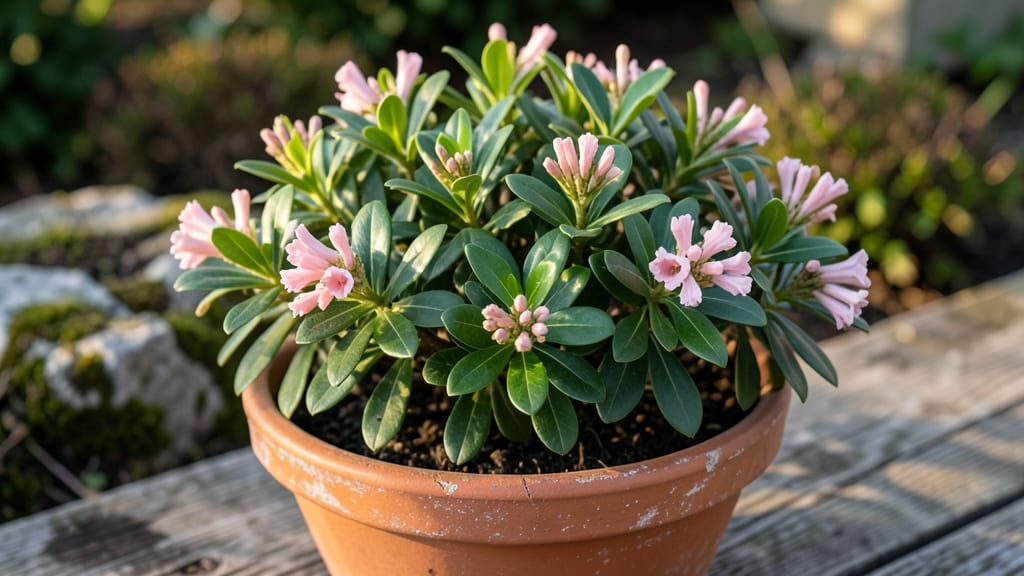
The care of a daphne shrub rewards you with fragrant blooms that smell like spring in every season—if you prune them right. ✨ I’ve learned the hard way that cutting at the wrong time or too aggressively turns these delicate beauties into leggy shadows of their former selves.
The secret? Timing, precision, and knowing exactly where to snip for that year-round perfume show. Most gardeners mess up by pruning after flowering, but daphne blooms on last year’s growth, so you’ll sacrifice next season’s flowers.
Instead, prune right after blooms fade—usually late spring—using sharp shears to clean up dead wood while preserving next year’s buds. A light trim keeps the shrub compact without stressing it.
You’ll end up with dense, glossy foliage and clusters of fragrant flowers from late winter through spring, even in cold climates. The key is patience: daphne grows slowly, so avoid heavy pruning unless reviving an overgrown shrub. A little care goes a long way with these finicky but rewarding plants.
Works for zones 5-8, though some varieties handle colder winters with mulch protection. Here’s how to keep yours thriving through every season—without the guesswork.
📚 In This Guide
- What you need
- Instructions
- Tips and common mistakes
- Wrapping up and next steps
What you need
- ● Daphne shrub: Choose a cold-hardy variety like Daphne odora or Daphne mezereum (check USDA zones 5-8 for best results).
- ● Well-draining soil: Mix 1 part peat moss or coconut coir with 2 parts garden soil and 1 part perlite or coarse sand (5+ gallons per plant).
- ● Organic mulch: 2–3 inches of pine bark, cedar chips, or shredded leaves to retain moisture and regulate temperature.
- ● Slow-release fertilizer: 10-10-10 or 5-10-10 NPK (1 tbsp per plant, applied in early spring).
- ● Pruning shears: Bypass pruners (sharp, clean, and sterilized with rubbing alcohol to prevent disease).
- ● Gloves: Heavy-duty gardening gloves (daphne leaves can irritate skin!).
- ● Hand pruners: Bypass or anvil pruners (for smaller stems).
- ● Loppers: For thicker branches (up to 1.5 inches)—look for ratcheting or bypass loppers for precision.
- ● Disinfectant spray: 70% isopropyl alcohol or hydrogen peroxide (3%) to clean tools between cuts.
- ● Rake or cultivator: For clearing debris around the base (6–8 inches wide).
- ● Soil pH test kit: Daphne prefers acidic to neutral soil (pH 6.0–7.0)—adjust with sulfur or lime if needed.
- ● Plant support: Small stakes or cages if your daphne grows tall or leggy (especially Daphne genkwa).
- ● Watering can with rose attachment: For gentle, deep watering (avoid overhead sprinklers).
- ● Compost or worm castings: 1 cup per plant in spring for extra nutrients.
Step-by-step guide for pruning daphne shrubs
Here's the method I rely on to keep your daphne thriving and blooming reliably each year.
✂️ Step 1: Prune Immediately After Flowering
Daphne shrubs bloom on last year's growth, so timing is everything. Wait until 4-6 weeks after flowering—when the fragrant blooms have completely faded and new leaf growth appears. This ensures you don't accidentally cut off next year's flower buds.
Use sharp, clean pruning shears to make cuts just above a leaf node or outward-facing bud. I like to shape the shrub while I work, removing any dead, crossing, or weak branches first. Daphne responds well to light shaping, so don't be afraid to give it a gentle trim to encourage a fuller form.
Here's the thing—daphne blooms on old wood, so avoid heavy pruning. You're aiming for a 10-20% reduction in overall size, not a dramatic overhaul. Think of it as giving your shrub a light haircut rather than a buzz cut.
🌿 Step 2: Thin Out Overcrowded Branches
Look for branches that are rubbing against each other or growing inward—they'll compete for sunlight and weaken the shrub. Remove these at the base with a single clean cut. I always start at the center and work my way outward, which helps improve airflow and reduces disease risk.
You'll notice some branches are thinner than others. These are often the ones that produce the most flowers, so be selective. Leave the healthier, thicker stems unless they're clearly dead or diseased. Daphne responds well to thinning, so don't hesitate to remove up to 25% of the oldest wood if it's looking leggy.
Real talk: if you see any branches with brown, mushy stems or blackened leaves, cut those out immediately. Daphne is susceptible to fungal issues, and removing affected branches early prevents the problem from spreading.
☀️ Step 3: Maintain Year-Round with Light Trims
After the initial post-bloom pruning, give your daphne a quick check every 4-6 weeks to remove any new dead growth or branches that look weak. I like to do this on a dry day when the shrub is dormant—usually in late fall or early winter.
In late winter or early spring, before new growth begins, you can lightly shape the shrub again. This is when I do any final tidying up, removing any branches that didn't bloom well the previous year. Daphne grows slowly, so a little maintenance goes a long way in keeping it looking its best.
Don't skip this step—even a light trim encourages denser growth and more flowers. I always finish by giving the shrub a good drink of water to help it recover from any pruning stress.
⏰ Step 4: Avoid Pruning at the Wrong Time
Never prune daphne in late summer or early fall—this is when the shrub is preparing for winter dormancy. Cutting back too late can stimulate new growth that won't have time to harden off before cold weather arrives.
If you accidentally prune at the wrong time, don't panic. Daphne is forgiving, but you'll likely see fewer blooms the following year. To recover, focus on giving your shrub extra care—watering deeply, mulching well, and avoiding heavy feeding until spring.
I know it seems weird, but pruning daphne is more about patience than aggression. The key is to work with the shrub's natural growth cycle rather than forcing it into a shape it doesn't like. With time, you'll develop a feel for when and how much to trim.
Tips & tricks for perfect daphne shrub care
Working with daphne shrubs reveals their secrets when you pay attention to these subtle details.
Timing is Everything: The 4-6 week window after flowering is critical—mark your calendar when those fragrant blooms appear. I always set a reminder to check for new leaf growth, as this signals it's safe to prune. If you're unsure, wait an extra week rather than cutting too early. Daphne's flower buds form on old wood, so patience here means more blooms next year.
Tool Prep Matters: Before you start, sterilize your pruning shears with rubbing alcohol to prevent spreading disease. I also sharpen my blades monthly, which makes clean cuts that heal faster. Ragged cuts invite infection, so take the time to get this right—your shrub will thank you with healthier growth. For larger branches, I use loppers with a bypass blade for precision.
Visual Cues for Pruning: When thinning branches in Step 2, look for the classic "V" shape where branches grow inward. These compete for sunlight and should be removed first. For the 10-20% reduction target, imagine trimming just the outer leaves of a haircut—you're shaping, not transforming. The goal is to maintain that lush, rounded shape while improving airflow through the center.
Recovery Care: After any significant pruning, give your daphne a deep watering to help it recover. I always apply a 2-3 inch layer of mulch around the base (but not touching the stems) to retain moisture and regulate soil temperature. This is especially important if you're doing heavier pruning than the recommended 25% of oldest wood—think of it as giving your shrub a cozy blanket while it recovers.
Pro Tips for Daphne Shrub Care
- Working with daphne shrubs reveals their secrets when you pay attention to these subtle details.
- Timing is Everything: The 4-6 week window after flowering is critical—mark your calendar when those fragrant blooms appear.
- Tool Prep Matters: Before you start, sterilize your pruning shears with rubbing alcohol to prevent spreading disease.
Frequently asked questions
Got questions about keeping your Daphne shrub thriving? You’re not alone! Here are answers to the most common concerns—from pruning puzzles to winter worries—so you can enjoy that intoxicating fragrance all year round.
When is the best time to prune my Daphne shrub?
Prune your Daphne immediately after flowering (late spring to early summer). Avoid heavy pruning in fall or winter, as these shrubs bloom on old wood. A light trim to shape or remove dead branches in late winter (just before buds swell) is fine, but skip major cuts—Daphne hates aggressive pruning!
How cold-hardy are Daphne shrubs, and do they need winter protection?
Most Daphne varieties tolerate USDA Zones 5-8, but tender types (like Daphne odora) may need winter protection in colder climates. Mulch the base with 3–4 inches of organic mulch (like shredded bark) and wrap young shrubs in burlap if temps drop below 10°F. Avoid heavy snow buildup—gently brush it off to prevent branch breakage.
Why isn’t my Daphne shrub blooming?
Non-blooming Daphne shrubs often suffer from over-pruning, poor light, or nutrient deficiencies. Ensure it gets full sun to partial shade (6+ hours of light) and prune only after flowering. Feed with acidic, slow-release fertilizer in early spring. If it’s been years since blooms, it may need rejuvenation pruning—cut back ⅓ of the oldest stems to encourage new growth.
What pests or diseases should I watch for in Daphne shrubs?
Daphne shrubs are generally pest-resistant, but keep an eye out for aphids (sap-sucking insects) or scale. Treat with neem oil or insecticidal soap if spotted. Fungal issues like powdery mildew can occur in humid conditions—improve airflow, avoid overhead watering, and apply fungicide if needed.
Can I grow Daphne shrubs in containers, and what’s the best soil mix?
Yes! Daphne thrives in containers with well-draining, acidic soil (pH 5.0–6.5). Use a mix of peat moss, perlite, and pine bark for aeration. Ensure the pot has drainage holes and choose a terracotta or fabric container to prevent root rot. Water only when the top inch of soil is dry—Daphne hates soggy roots!
Wrapping up and next steps
Caring for your daphne shrub doesn’t have to be complicated—just follow the cold-hardy pruning tips and seasonal adjustments we’ve shared! With a little patience and love, you’ll enjoy year-round fragrance and lush growth. 🌿✨
Ready to take the next step? Mark your calendar for your next pruning session and watch your daphne thrive! Need a refresher? Bookmark this guide and revisit it whenever you need it.