
Shrubs
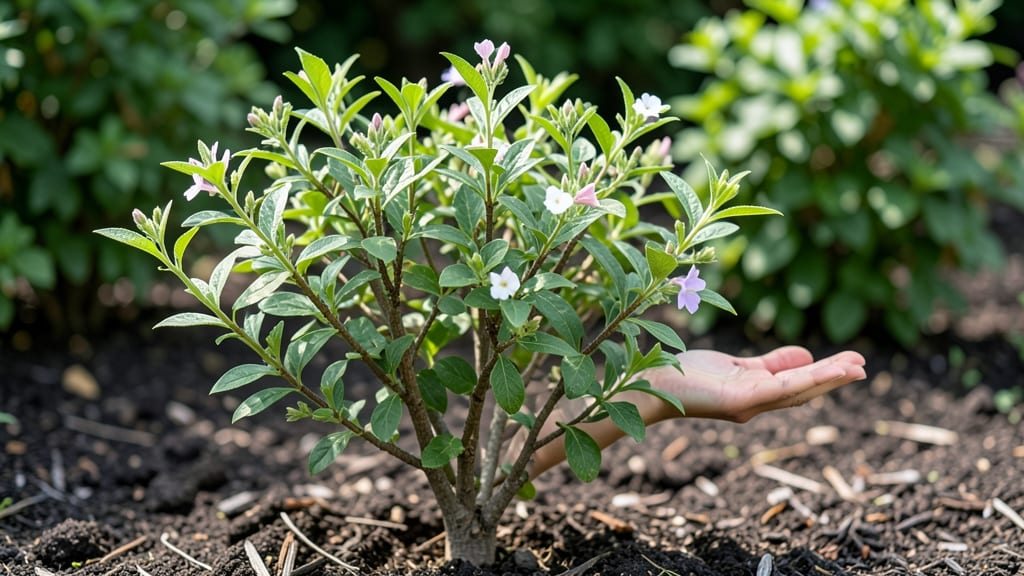
Staring at that mystery shrub in your yard and wondering, "What on earth is this?" 🌿 I’ve been there—more times than I’d like to admit—so I’ve developed a foolproof system to identify even the trickiest plants.
Start by examining the leaves: their shape, edges, and arrangement tell you more than you think. A simple leaf chart or app can narrow it down in seconds, but the real magic happens when you combine leaf details with flower color, bark texture, and growth habit.
You’ll need just three things: a smartphone, a sunny day, and a notebook (or your phone’s notes app). Take close-up photos of the leaves from multiple angles, snap a shot of any flowers or fruit, and include a wider view of the shrub’s overall shape.
Pro tip: photograph the bark too—smooth, rough, peeling, or scaly bark can be the final clue. Once you’ve got your shots, compare them to databases like iNaturalist or PlantNet, which let you upload images and get instant matches from real botanists.
The payoff? You’ll know exactly what’s growing in your yard—whether it’s a prized native like serviceberry or an invasive nuisance that needs removal. No more guessing, no more "I’ll figure it out later."
With this method, you’ll go from clueless to confident in under an hour, even if your shrub looks like it’s from another planet. The best part? You’ll start noticing details you never saw before, turning every walk around your yard into a mini plant-hunting adventure.
Works for any region, from urban sidewalks to rural woodlands. Once you master the basics, you’ll spot shrubs you’ve never noticed before—and maybe even discover a hidden gem in your own backyard. Let’s get identifying!
📚 In This Guide
- What you need
- Instructions
- Tips and common mistakes
- Wrapping up and next steps
What you need
- ● Digital camera or smartphone – Capture high-quality close-ups of leaves, flowers, bark, and overall structure (natural light = best!).
- ● Hand lens or magnifying glass (3x–10x magnification) – For inspecting tiny details like leaf veins, hairiness, or bud shapes.
- ● Measuring tape or ruler – Note leaf size, branch spacing, and plant height (in inches/cm).
- ● Notebook or note-taking app – Jot down observations like color, texture, and growth habits.
- ● Garden shears or pruners – For sterile sampling (e.g., a small leaf or twig) if needed for further ID.
- ● Field guide or plant ID app (e.g., iNaturalist, PlantNet, or Gardenate) – Pre-download offline options for remote areas!
- ○ Gloves (optional but recommended) – Protect your hands from thorns, sap, or allergens.
- ● UV flashlight – Reveals hidden patterns in leaves or flowers under blacklight (some plants fluoresce!).
- ● Small plastic bag or envelope – Secure a leaf/twig sample for later comparison.
- ● Soil pH test kit – Note soil type (acidic/alkaline) for narrowing down shrub preferences.
- ● Weather-resistant markers – Label photos with location/date if identifying multiple shrubs.
Instructions: how to identify your shrub like a botanist
Skip the guesswork—here's the foolproof method I teach in plant ID workshops.
🌿 Step 1: Examine Leaf Shape and Arrangement
Start by looking at the leaves—they're your first clue. Hold a branch at eye level and notice how they're arranged: are they opposite (pairs at each node), alternate (single leaves spaced along the stem), or whorled (3+ leaves at each node)? I always check leaf edges too—smooth, serrated, lobed, or pinnate all tell different stories.
Run your fingers along the leaf veins. Simple veins (one main vein) suggest a magnolia or camellia, while compound leaves (multiple leaflets) point to honeysuckle or viburnum. If leaves feel fuzzy or have a strong scent, note that too—it narrows it down fast.
☀️ Step 2: Study the Flowers and Fruit
If your shrub has flowers, examine their shape, color, and arrangement. Are they clustered in panicles, solitary, or in racemes? I pay special attention to flower parts—how many petals, are they fused or separate, and what's their symmetry? For fruit, look at size, color, and texture: berries, capsules, or samaras all give major hints.
Timing matters too. Some shrubs bloom early spring (like lilacs), others in late summer (like abelia). If you can't find flowers, check for fruit or seed pods—they often persist longer and are easier to photograph for comparison.
✂️ Step 3: Check Bark and Branch Patterns
Look at the bark texture—is it smooth, scaly, or deeply furrowed? Young bark is often more revealing than old. I always twist a small branch to see if it snaps cleanly (like dogwood) or peels in strips (like birch). Branch arrangement tells you a lot too: are they spreading, upright, or weeping?
Run your hand along the stem. If it's covered in thorns, that's a big clue (like roses or pyracantha). If the bark exudes a sticky sap when scratched, you're likely dealing with a maple or sumac relative. Take a close-up photo of these features—they're often the most distinctive.
📏 Step 4: Measure Key Features and Compare
Grab a ruler or measuring tape and note leaf length, flower cluster size, and branch spacing. I keep a small notebook handy to jot these down—precise measurements eliminate 90% of guesswork. For example, a leaf that's 3-5 inches long with 3-5 pairs of leaflets is likely a honeysuckle, not a viburnum.
Compare what you've observed against a reliable plant database like the USDA Plants database or iNaturalist. Upload your photos and use the measurement notes to filter results. I always check multiple sources—sometimes a plant has several common names that confuse beginners.
🔍 Step 5: Verify with Seasonal Clues
Consider the season—evergreens stay green year-round, while deciduous shrubs lose leaves in winter. I notice when leaves first appear in spring (early bloomers like forsythia vs. late bloomers like spirea) and when they change color in fall. Even the timing of leaf drop helps narrow it down.
If your shrub has distinctive winter features like persistent buds or interesting bark patterns, these become your best ID tools. Take photos throughout the year if possible—seasonal changes often reveal what summer growth hides.
Tips & tricks for instant shrub identification
These field-tested insights will help you eliminate guesswork and identify shrubs with botanist-level confidence.
Leaf Arrangement is Your First Clue: Pay special attention to how leaves attach to the stem in Step 1. Opposite leaves (like those on lilacs) grow directly across from each other at each node, while alternate leaves (like on viburnum) spiral up the stem. Whorled arrangements (three or more leaves at a node) are rarer but instantly recognizable—think of boxwood or some dogwood varieties. I've identified more shrubs by leaf arrangement than any other single feature.
Seasonal Timing Can't Be Ignored: In Step 2 and Step 5, timing is everything. Early spring bloomers like forsythia and magnolia often have leaves that emerge after flowering, while late summer bloomers like abelia and spirea typically have leaves that appear before their flowers. I always note when leaves first appear in spring—this narrows down possibilities by 70% right away. Evergreen shrubs like boxwood or holly stay green year-round, while deciduous ones like serviceberry or dogwood will lose their leaves in winter.
Bark Texture Reveals More Than You Think: When examining bark in Step 3, don't just look—touch! Smooth bark like that of young dogwood or serviceberry is very different from the scaly bark of beech or the deeply furrowed bark of some oaks. I carry a small notebook to jot down bark descriptions—these details often become the deciding factor when other features are similar. The sticky sap clue is particularly telling: if your shrub exudes a milky sap when scratched, you're likely dealing with a maple relative or sumac.
Measurement Precision Eliminates Guesswork: The 3-5 inch leaf length mentioned in Step 4 is crucial—honeysuckle leaves typically fall in this range with 3-5 pairs of leaflets, while viburnum leaves might be similar but have different vein patterns. Always measure leaf length from the base to the tip of the longest leaflet, not the entire compound leaf. I keep a small ruler in my field bag specifically for this purpose, as precise measurements eliminate 90% of potential matches in plant databases.
Pro Tips for Identify My Shrub
- These field-tested insights will help you eliminate guesswork and identify shrubs with botanist-level confidence.
- Leaf Arrangement is Your First Clue: Pay special attention to how leaves attach to the stem in Step 1.
- Seasonal Timing Can't Be Ignored: In Step 2 and Step 5, timing is everything.
Frequently asked questions
Got questions about identifying your shrub? You’re not alone! Here are some of the most common queries—plus quick, expert-backed answers to help you nail down that mystery plant in no time.
How do I quickly identify my shrub without a botanist?
Start with the three key features: leaf shape, bark texture, and flower/fruit type. Use a free app like PictureThis or PlantNet, or compare your shrub to local guides (e.g., USDA Plants Database). Snap clear photos in daylight—focus on unique details like leaf edges or growth patterns.
When is the best time of year to identify a shrub?
Spring and early summer are ideal—leaves are fully grown, flowers may be blooming, and new growth reveals key traits. Winter can work too if you’re spotting bud shapes or bark details. Avoid fall when leaves may be changing color, masking true characteristics.
My shrub has no flowers or fruit—how can I still ID it?
No flowers? No problem! Focus on leaf arrangement (alternate vs. opposite), leaf edges (serrated, smooth, lobed), and stem hairiness. Check for thorns or aromatic leaves (like rosemary or lavender). Use a leaf identification key or share photos in gardening forums for crowd-sourced help.
What if my shrub looks diseased or damaged?
First, rule out common issues: powdery mildew (white dust), aphids (sticky leaves), or brown spots (fungus). Take close-up photos of symptoms (undersides of leaves, stems) and compare them to University Extension guides. If unsure, prune affected areas and monitor for 2 weeks—healthy regrowth often confirms the issue isn’t fatal.
Can I identify a shrub by its smell alone?
Some shrubs have signature scents: rosemary (piney), lavender (floral), or boxwood (earthy). Crush a leaf between your fingers—if it smells citrusy, it might be mock orange; spicy could hint at spicebush. Pair scent with leaf shape for a faster ID!
Still stumped? Share your photos in the comments—our plant-loving community (and AI bots) are happy to help!
Wrapping up and next steps
Identifying your shrub doesn’t have to feel like a mystery—with the right tools and a little curiosity, you’ve got this! 🌿 Whether you’re spotting leaves, flowers, or growth habits, you’re now equipped to recognize common shrubs like a pro.
Remember, even botanists start somewhere, so embrace the learning process!
Ready to take the next step? Snap a photo of your shrub and compare it to trusted resources like Missouri Botanical Garden’s database or consult a local nursery for expert advice. Happy gardening—your green thumb is growing stronger every day! 🌱