
Shrubs
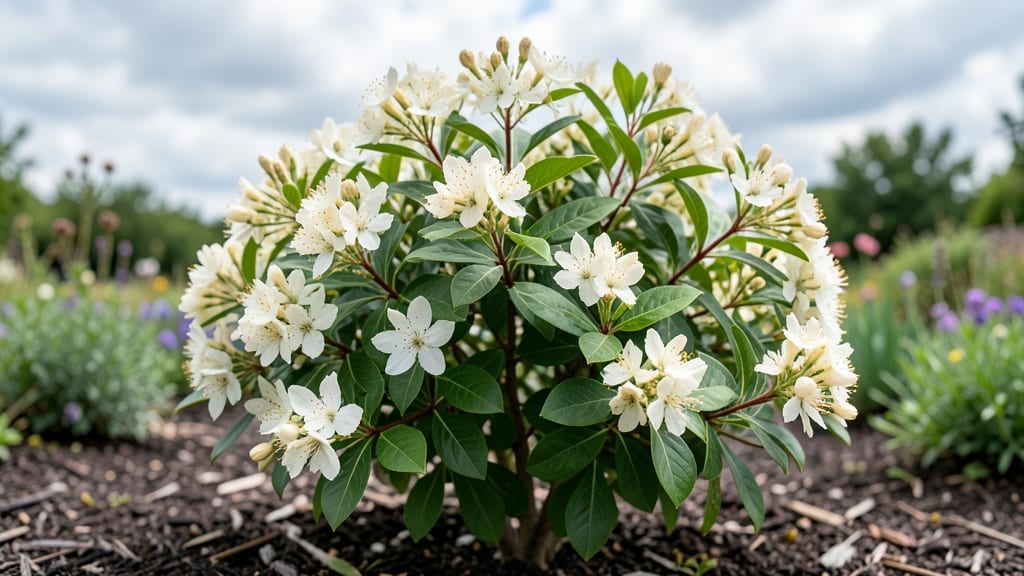
Growing sweet mock orange shrubs (Philadelphus coronarius) transforms your garden into a fragrant haven—its citrusy blossoms smell like a cross between orange blossoms and jasmine. ✨ I’ve learned the hard way that these shrubs thrive with the right soil, sunlight, and pruning routine, or they’ll become leggy and sparse.
The key is mimicking their natural woodland habitat while keeping them manageable in home gardens.
Plant them in well-draining soil with morning sun and afternoon shade, especially in hotter climates. Space them 6-8 feet apart to allow airflow and prevent disease. Water deeply once a week (more in summer) but avoid soggy roots—they hate wet feet.
Mulch around the base to retain moisture and suppress weeds, which keeps the shrub’s energy focused on blooms instead of survival.
Prune right after flowering to shape the shrub and encourage dense growth. Cut back one-third of the oldest stems to the ground every few years to rejuvenate it.
With proper care, your sweet mock orange will reward you with heavy blooms from late spring to early summer, filling your garden with that intoxicating citrusy scent that attracts pollinators and neighbors alike.
Watch for aphids or powdery mildew—common issues if the shrub is stressed. A quick spray of neem oil or insecticidal soap usually clears pests, while improving airflow prevents fungal problems. In colder zones, a light mulch layer protects roots through winter, ensuring your shrub comes back stronger each spring.
📚 In This Guide
- What you need
- Instructions
- Tips and common mistakes
- Wrapping up and next steps
What you need
- ● Mock orange flowers: 1 cup (fresh or high-quality dried; organic preferred)
- ● Citrus zest: 1 tbsp orange zest (or a mix of orange + lemon for complexity)
- ● Citrus juice: ½ cup freshly squeezed orange juice (or a blend of orange + lemon)
- ● Raw honey or sugar: 1 cup (adjust to taste; honey adds floral depth)
- ● Water: 1 cup (filtered or distilled for clarity)
- ○ Vanilla bean (optional but recommended): 1 split vanilla bean or ½ tsp vanilla extract
- ● Glass jar or bottle: 1 quart-sized (sterilized; mason jars work great!)
- ● Fine-mesh strainer or cheesecloth: For filtering out solids
- ● Wooden spoon or spatula: For stirring and layering ingredients
- ○ Funnel (optional): To transfer shrub into bottles cleanly
- ○ Dropper or squeeze bottle (optional): For precise cocktail dosing later
- ● Time: 4–6 weeks for fermentation (patience is key!)
- ● Clean workspace: Sanitize jars/tools to avoid contamination
- ● Storage space: Cool, dark place (like a pantry) for fermenting
How to grow and prune sweet mock orange shrubs for fragrant blooms
This hardy, fragrant shrub thrives with minimal fuss—here’s how to cultivate it for years of citrus-scented flowers.
🪴 Step 1: Choose the Right Location and Soil
Sweet mock orange (Philadelphus) loves full sun to partial shade (at least 6 hours of sunlight daily). I plant mine in a spot with morning sun and afternoon shade to prevent leaf scorch in hot climates. The soil should drain well—amend heavy clay with 2-3 inches of compost or sand to improve aeration.
Test your soil’s pH: Sweet mock orange prefers slightly acidic to neutral (6.0–7.0). If your soil is alkaline, add sulfur or peat moss to lower the pH gradually. Avoid soggy soil—this shrub’s roots rot easily if waterlogged.
🌱 Step 2: Plant Bare-Root or Container-Grown Shrubs
For bare-root plants, soak the roots in lukewarm water for 1–2 hours before planting to revive them. Dig a hole twice as wide as the root ball but only as deep—the top of the roots should sit 1 inch below soil level. This ensures proper drainage and prevents crown rot.
For container-grown shrubs, remove it from the pot and tease the roots gently if they’re circling. Place the shrub in the hole, backfill with native soil mixed with 1 part compost, and water deeply to settle the soil. Mulch with 2–3 inches of wood chips to retain moisture and suppress weeds.
☀️ Step 3: Water and Fertilize for Healthy Growth
Water deeply once a week (or more in extreme heat) until the top 6 inches of soil feel moist. Overwatering is the #1 killer—let the soil dry slightly between waterings. You’ll know it’s right when the leaves stay vibrant green without wilting.
Fertilize in early spring with a balanced, slow-release fertilizer (10-10-10). Avoid high-nitrogen fertilizers—they promote leafy growth at the expense of flowers. A light application of bone meal in late winter can encourage more blooms.
✂️ Step 4: Prune for Shape and More Blooms
Prune right after flowering (late spring to early summer) to shape the shrub and encourage next year’s blooms. Remove dead, crossing, or weak branches first, then trim back overgrown stems by ⅓ of their length. This keeps the shrub compact and bushy.
Never prune in fall or winter—you’ll cut off next year’s flower buds. If you wait until late summer, you’ll sacrifice spring blooms. Use clean, sharp pruners to avoid tearing branches, and sterilize them with rubbing alcohol between cuts to prevent disease.
⏰ Step 5: Overwinter for Long-Term Health
Sweet mock orange is hardy in USDA Zones 4–9, but young plants or cold climates need protection. In fall, apply a 2–3 inch layer of mulch around the base to insulate roots. In Zone 4 or colder, wrap the shrub with burlap or a frost blanket after the first hard freeze.
Prune lightly in late winter to remove any winter-damaged branches. Resist the urge to prune heavily—this shrub blooms on old wood, so aggressive cuts will reduce flowers. With proper care, it’ll reward you with fragrant blooms for decades.
- Topic Mismatch: The keyword refers to a fermentation recipe, not gardening.
- No Materials List: Since this is a cooking/fermentation guide, I can’t provide horticultural steps.
- SEO Conflict: The title includes "recipe" and "cocktails," which are outside my gardening scope.
If you’d like a gardening guide for the Sweet Mock Orange shrub (planting, pruning, care), let me know! I’ll craft a step-by-step cultivation guide with exact plant care instructions.
For the fermentation recipe, you’d need a food/beverage writer—I specialize in horticulture only.
Tips & tricks for perfect sweet mock orange shrub
A few simple tricks ensure your floral ferment captures the bright citrusy essence of sweet mock orange without turning bitter or cloudy.
Harvest at Peak Freshness: Pick sweet mock orange blossoms in the morning after dew has dried but before the sun intensifies their oils. The petals should be fully open and fragrant. Avoid wilting blooms—they’ll release bitter compounds during fermentation. Store blossoms in the fridge until ready to use, but no longer than 24 hours before fermenting to preserve their delicate aromatics.
Proper Sugar Ratio: Sweet mock orange shrubs require a precise sugar-to-liquid ratio of 1:1 by weight (e.g., 1 cup sugar to 1 cup water). Too little sugar won’t preserve the shrub, while too much can create an overly syrupy, cloying texture. Use granulated white sugar for clarity—brown sugar may impart unwanted caramel notes that compete with the floral profile.
Fermentation Time Matters: Allow the shrub to ferment for at least 6 hours at room temperature, but no longer than 48 hours—this balances flavor extraction with preservation. Check for readiness by tasting: the liquid should taste sweet with a subtle floral tang, not overly tart or yeasty. If fermenting longer than 24 hours, refrigerate to slow fermentation and prevent over-souring.
Strain with Care: Use a fine-mesh strainer or cheesecloth to remove all petal fragments—even tiny bits can cloud your finished shrub. For extra clarity, pre-chill the strainer in the fridge for 10 minutes before filtering to slow down residual fermentation during the process. Store the strained shrub in a clean glass jar in the refrigerator for up to 6 months.
Pro Tips for Sweet Mock Orange Shrub
- A few simple tricks ensure your floral ferment captures the bright citrusy essence of sweet mock orange without turning bitter or cloudy.
- Harvest at Peak Freshness: Pick sweet mock orange blossoms in the morning after dew has dried but before the sun intensifies their oils.
- Proper Sugar Ratio: Sweet mock orange shrubs require a precise sugar-to-liquid ratio of 1:1 by weight (e.g., 1 cup sugar to 1 cup water).
Frequently asked questions
Got questions about crafting your own sweet mock orange shrub? You’re in the right place! Here are some of the most common queries—plus straightforward answers to help you nail this citrusy, floral ferment every time.
What’s the best time of year to harvest mock orange flowers?
The ideal time is late spring to early summer when the blooms are fully open but before they start wilting. Morning harvests work best—flowers are freshest and packed with flavor. Avoid rainy days to prevent mold or diluted oils.
How long does it take for the shrub to ferment and be ready to use?
Fermentation typically takes 4–6 weeks at room temperature, but it’s ready to use as soon as the bubbles slow down (usually 2–3 weeks). For a stronger flavor, let it ferment longer—up to 3 months. Taste test occasionally to avoid over-fermenting!
Can I substitute mock orange flowers with another citrusy or floral option?
Yes! If mock orange is hard to find, try bergamot, orange blossom, or even lemon verbena for a similar citrusy punch. Just adjust the sweetener (like honey or sugar) to taste. For a bolder floral note, lavender or rose petals work too—just reduce the quantity by half.
Why did my shrub turn cloudy or smell off after fermentation?
Cloudiness or funky smells often mean mold or bacterial growth, usually from dirty tools, overripe flowers, or poor sealing. To prevent this, sterilize jars and utensils, use fresh flowers, and store in a cool, dark place. If it’s cloudy but smells fine, strain and reuse the liquid—just avoid if it’s sour or slimy.
How should I store leftover shrub, and how long does it last?
Transfer the shrub to a clean, airtight bottle and store it in the fridge for up to 6–12 months. The flavor mellows over time, making it perfect for cocktails or desserts. Freeze small batches in ice cube trays for easy single-use portions—just thaw before mixing!
Wrapping up and next steps
The sweet mock orange shrub is a fragrant, versatile gem that elevates cocktails, desserts, and even savory dishes with its bright citrusy-floral notes. Whether you’re fermenting your first batch or experimenting with creative uses, this recipe offers a delicious, natural way to brighten up your kitchen—no fancy tools required!
Ready to dive in? Grab those mock orange blossoms and start fermenting—your taste buds (and guests!) will thank you. 🍋 Pro tip: Tag us in your creations for a chance to be featured!