
Pruning
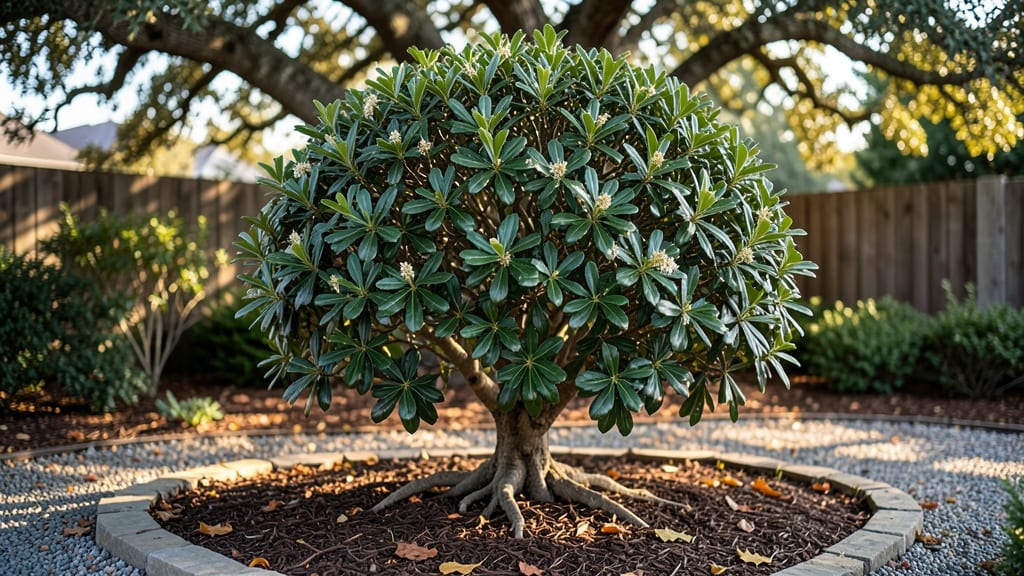
Pruning Myke trees and shrubs depends entirely on their growth phase—trim flowering shrubs lightly after blooms fade, prune deciduous types during late winter dormancy, and target evergreens selectively in early spring—to encourage vigorous new growth while preserving their natural shape.
Timing matters more than you might think with Myke varieties. 🌿 These plants respond best when pruned during their natural rest periods, which minimizes stress and maximizes regrowth.
For example, flowering shrubs need that post-bloom trim to set up next year's flowers, while evergreens benefit from spring cuts to avoid winter dieback. I always recommend using sharp bypass pruners and sterilizing tools between cuts to prevent disease spread—this simple step makes a huge difference in plant health.
Another key factor is understanding your specific Myke variety's growth habits. Some types like Myke 'Green Giant' tolerate heavier pruning, while others such as Myke 'Dwarf Blue' need only minimal shaping. Always remove no more than one-third of the plant's foliage in a single session to avoid shocking the system.
The goal is to shape while maintaining that natural, full appearance these plants are known for.
💡 In This Article
- Understanding Myke Tree and Shrub Growth Cycles for Pruning
- Step-by-Step Pruning Guide for Myke Trees and Shrubs by Season
Understanding Myke tree and shrub growth cycles for pruning
Myke trees and shrubs follow distinct biological growth patterns that dictate the perfect pruning window. During dormancy—typically late winter to early spring for deciduous types—the plant conserves energy, making it far more resilient to pruning.
This is when the cambium layer (the growth tissue just under the bark) is least active, reducing sap flow and minimizing stress. For evergreens like Myke 'Emerald Sentinel', pruning in early spring allows new growth to harden off before summer heat arrives, preventing sunburn on exposed tissue.
The flowering cycle is another critical trigger. Most Myke shrubs bloom on old wood, meaning last year's growth produces this year's flowers. Cutting back too aggressively after blooming removes next year's buds entirely.
A light trim just as flowers fade—typically 4-6 weeks post-bloom—strikes the balance between maintaining shape and preserving floral potential. For example, Myke 'Pink Perfection' should never be pruned before late June to ensure vibrant spring blooms.
Sap flow dynamics explain why timing matters so much. In active growing seasons, sap moves rapidly through the plant's vascular system, which can cause excessive bleeding when pruned. This isn't just messy—it stresses the plant by losing vital nutrients and water.
The ideal pruning window occurs when sap flow slows, usually during those dormant months when the plant's energy reserves are at their peak for recovery. This is why late winter pruning (just before bud break) works so well for deciduous Myke varieties.
Seasonal growth patterns also vary by species. Deciduous Myke trees like 'Autumn Blaze' enter full dormancy when temperatures drop below 40°F, making February the optimal month for structural pruning.
Evergreens, however, continue slow growth year-round, so their pruning should target early spring when new shoots begin forming but haven't yet emerged. This 2-3 week window before active growth ensures the plant can redirect energy to new branches rather than compensating for wounds.
What most gardeners overlook is how pruning affects the plant's hormonal balance. Auxin hormones, which regulate growth, concentrate at branch tips. When you make clean cuts just above a leaf node or bud, you're essentially redirecting this growth signal inward, encouraging denser foliage.
This is why proper pruning techniques—like the 3-bud rule—create fuller plants. For Myke varieties, this means cutting at a 45-degree angle just above an outward-facing bud to maximize new growth direction.
Consider these biological triggers when planning your pruning schedule:
- Dormancy period: Late winter for deciduous types (February-March)
- Post-bloom timing: 4-6 weeks after flowers fade for shrubs
- Evergreen window: Early spring (March-April) before new shoots emerge
- Avoid times: Late summer/fall when plants prepare for winter dormancy