
Pruning
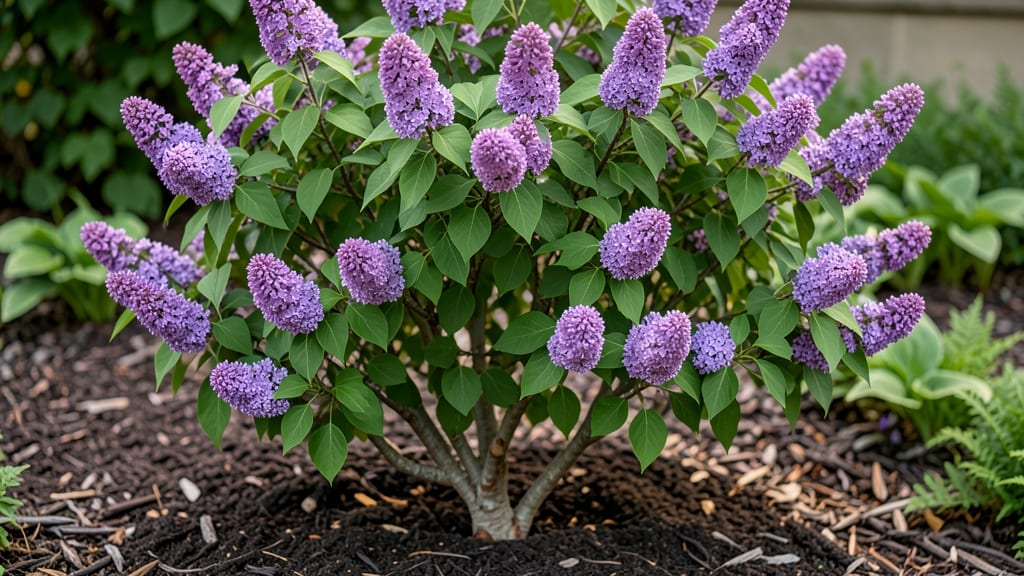
Your lilac tree or shrub’s fragrance starts with a few sharp cuts at the right time. ✂️ I’ve learned the hard way—pruning too late or too aggressively can turn your fragrant beauty into a leggy mess.
The secret lies in seasonal timing: spring for shaping, summer for blooms, and winter for cleanup. Most gardeners overlook summer pruning, but trimming right after flowering keeps lilacs bushy and encourages next year’s blooms. French lilacs need more aggressive cuts, while dwarf varieties thrive with gentle shaping.
Just remember: never cut into old wood—you’ll sacrifice next season’s flowers. By following this schedule, you’ll have vibrant blooms for years, with that classic lilac scent filling your yard. The key is patience—lilacs reward careful pruning with decades of fragrance and beauty.
Works for all varieties, from towering standards to compact shrubs. Let’s get those shears ready!
📚 In This Guide
- What you need
- Instructions
- Tips and common mistakes
- Wrapping up and next steps
What you need
- ● Pruning shears: Bypass pruners (for small stems, 4-6 inches long) – 1 pair (ensure they’re sharp and clean!).
- ● Loppers: For thicker branches (8-12 inches long) – 1 pair (look for bypass or anvil types with a comfortable grip).
- ○ Hand saw: Pruning saw with a curved blade (for branches over 2 inches in diameter) – 1 (optional but handy for stubborn cuts).
- ● Gloves: Heavy-duty gardening gloves (to protect from thorns and sap) – 1 pair (waterproof preferred!).
- ● Disinfectant: 70% isopropyl alcohol or a garden disinfectant spray (to sterilize tools between cuts) – small bottle.
- ● Rag or paper towels: For wiping down tools and branches – a few squares.
- ● Trash bags or compost bin: For pruned debris – 1-2 bags (depending on shrub size).
- ● Pruning sealant: (e.g., tree wound paint) – small tube (only needed if your lilac has large cuts; lilacs typically heal well without it!).
- ● Ladder or step stool: For tall shrubs or trees – 1 (ensure it’s stable and rated for your weight!).
- ● Notebook & pen: To track pruning dates and notes on your lilac’s growth – 1 (great for long-term planning!).
- ● Safety glasses: To shield eyes from debris – 1 pair (especially useful for heavy pruning sessions).
Instructions for pruning lilac trees or shrubs
Pruning lilacs isn't just about shaping—it's about unlocking next year's fragrance and keeping your plant healthy. Here's how to do it right, season by season.
✂️ Step 1: Prune Immediately After Flowering
Wait until 4-6 weeks after your lilac blooms—this is critical. The flowers form on old wood, so cutting too early removes next year's buds. I always mark the blooming date on my calendar so I don't accidentally prune before the buds set. Use sharp, clean pruners to make cuts at a 45-degree angle, about ¼ inch above a leaf bud.
Remove any dead, diseased, or crossing branches first—they compete with healthy growth. I like to step back every few cuts to visualize the shape. Lilacs naturally grow in a vase-like form, so avoid cutting back into the center where old wood accumulates. This step ensures strong new growth while preserving next year's fragrance.
✂️ Step 2: Lightly Shape in Early Summer
About 6-8 weeks after flowering, give your lilac a light shaping. This is when new growth has hardened off but hasn't yet set next year's buds. Focus on removing 10-15% of the oldest stems at the base to encourage younger, more vigorous growth. I always prioritize stems that are 3-4 years old—these are past their prime and crowd out newer wood.
Look for stems that are thinner than a pencil—these are likely dead or dying and should be removed completely. Avoid heavy pruning now; you're just guiding the plant's energy. If you see any suckers at the base, trim them off too—they divert energy from the main structure.
✂️ Step 3: Minimal Winter Pruning
Late winter, just before new growth starts (around February in most climates), is the only other time to prune lilacs. This is purely for shaping and removing any remaining dead wood. Never cut back into old wood—you'll sacrifice next year's flowers. Instead, focus on lightening the center by thinning out congested branches.
I make my cuts just above outward-facing buds to maintain an open, airy structure. Lilacs bloom on old wood, so any heavy cuts now will reduce next spring's display. If your plant is particularly overgrown, space cuts over 2-3 years rather than doing it all at once. This gradual approach keeps stress low and flowers abundant.
🌱 Step 4: Post-Pruning Care
After pruning, give your lilac a balanced fertilizer (10-10-10 ratio) to support new growth. Water deeply at the base, keeping the soil 2-3 inches moist for the first 2 weeks. Avoid overhead watering, which can spread disease through fresh cuts. I always mulch with 2-3 inches of organic mulch to retain moisture and protect roots.
Watch for new growth in 4-6 weeks—this confirms the plant is responding well. If you see yellowing leaves, it's usually a sign of over-pruning or poor drainage. Lilacs are tough once established, but they need consistent care after major cuts. This is when proper technique pays off with lush, fragrant blooms the following spring.
Tips & tricks for perfect lilac tree or shrub pruning
These seasoned strategies will help you prune like a pro and keep your lilacs blooming beautifully for years.
Timing is Everything: The 4-6 week window after flowering is non-negotiable for Step 1. I've ruined blooms by pruning too early—wait until the flowers have completely faded and you can see next year's buds forming. For Step 2, that 6-8 week mark gives new growth just enough time to harden off without setting premature flower buds. Trust your plant's natural cycle rather than guessing dates.
Tool Precision Matters: Using sharp, clean pruners is critical for all cuts. Dull blades crush stems and create jagged wounds that invite disease. I always clean my pruners with rubbing alcohol between cuts, especially when removing diseased branches. For Step 3's winter pruning, make your cuts just above outward-facing buds—this simple technique ensures new growth will develop outward rather than inward, maintaining that open vase shape.
Seasonal Strategy: The key to lilac longevity is understanding their growth cycle. In Step 1, you're preserving next year's flowers by cutting above the buds. Step 2's light shaping redirects energy to younger stems. Step 3's minimal winter work maintains air flow without sacrificing blooms. This seasonal rhythm prevents over-stressing your plant while maximizing fragrance year after year.
Visual Cues for Perfect Cuts: When making your 45-degree angle cuts in Step 1, aim for about ¼ inch above the leaf bud. This creates a natural seal that heals better. For Step 2, look for stems thinner than a pencil—these are dead or dying and should be removed completely. In Step 3, focus on creating an open center by thinning congested branches, which improves air circulation and prevents disease.
Pro Tips for Lilac Tree Or Shrub
- These seasoned strategies will help you prune like a pro and keep your lilacs blooming beautifully for years.
- Timing is Everything: The 4-6 week window after flowering is non-negotiable for Step 1.
- Tool Precision Matters: Using sharp, clean pruners is critical for all cuts.
Frequently asked questions
When is the best time to prune a lilac tree or shrub?
The ideal time to prune lilacs is right after they finish blooming (late spring to early summer). This ensures next year’s flower buds form properly. Avoid pruning in fall or winter, as it removes buds needed for spring blooms. For shaping cuts, early summer works too!
How much can I trim back my lilac without harming it?
You can safely remove up to one-third of the plant’s oldest stems at the base to rejuvenate growth. For shrubs, cut back 1/3 of the oldest branches to encourage new, vigorous growth. Avoid over-pruning—lilacs bloom on old wood, so drastic cuts can reduce flowers.
Can I prune lilacs in fall or winter?
Pruning lilacs in fall or winter is not recommended unless you’re removing dead or diseased wood. Flower buds form in late summer/fall, so cutting then can reduce next year’s blooms. If you must prune, wait until after the first hard frost and limit cuts to dead branches only.
Why aren’t my lilacs blooming after pruning?
Lilacs bloom on old wood, so aggressive pruning (especially in fall/winter) can remove flower buds. If blooms are sparse, check if you’re pruning too late (after mid-summer) or cutting back too many stems. Thin out crowded branches instead of heavy cuts for better airflow and blooms.
Are there dwarf lilac varieties that need less pruning?
Yes! Dwarf varieties like ‘Miss Kim’ or ‘Little Leaf’ grow 3–6 ft tall and require minimal pruning. They bloom on new wood, so light shaping in early summer suffices. These are perfect for small gardens or containers—just avoid heavy cuts to maintain their compact form!
Wrapping up and next steps
Whether you’re a seasoned gardener or just starting your lilac tree or shrub journey, mastering seasonal pruning unlocks a world of fragrant blooms and lush growth. Remember, the key lies in timing—early spring for shaping, post-bloom for rejuvenation, and light maintenance in late summer or winter.
With the right tools and techniques, your lilacs will thrive, filling your garden with that unmistakable, sweet scent year after year! 🌸
Ready to transform your garden? Grab your pruners, mark your calendar for next spring, and give your lilacs the care they deserve. Start small, observe their response, and watch your fragrant oasis flourish! 🌿