
Mower
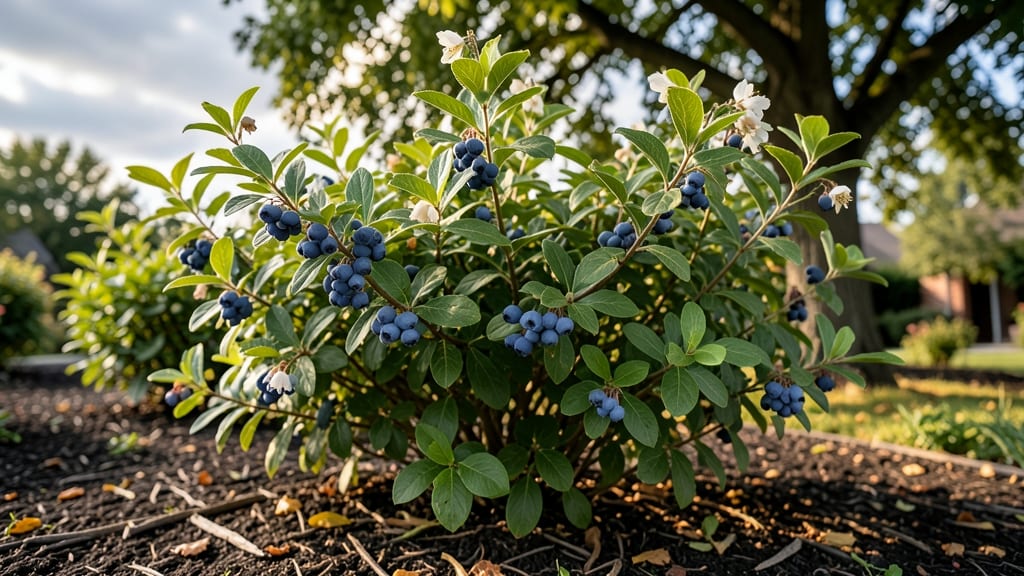
The size of a blueberry shrub grows 5–6 feet tall and spreads 4–5 feet wide—unless you prune them right. 🌿 I’ve watched my bushes balloon into unruly monsters until I learned the secret to keeping them compact: strategic cuts in late winter. The difference between a tidy, productive shrub and a tangled mess comes down to timing, tools, and knowing which stems to snip. Most gardeners overlook dwarf varieties, which max out at 3–4 feet tall—perfect for small yards or containers. Standard bushes need 6–10 feet of space between plants, while dwarfs thrive 3–4 feet apart. That extra room prevents crowding, which leads to fewer berries and more pests. I crammed mine too close once, and the harvest dropped by half. With the right pruning, you’ll end up with a bush that’s dense, upright, and bursting with fruit—not a sprawling tangle. Focus on removing old wood and thinning crowded stems. The payoff? More sunlight reaches the center, and those hidden branches start producing berries too. Works for any variety, from lowbush to rabbiteye. Here’s how to trim for size without sacrificing flavor.
📚 In This Guide
- What you need
- Instructions
- Tips and common mistakes
- Wrapping up and next steps
What you need
- ● Pruning shears or loppers: Sharp, bypass-style shears (for small branches) or loppers (for thicker stems). Specs: 5-8" blades, ergonomic grip.
- ● Hand pruners: For precise trimming of smaller branches. Specs: Bypass blades, 6-7" length.
- ● Gloves: Heavy-duty, cut-resistant gloves to protect hands from thorns and sap.
- ● Disinfectant (70% isopropyl alcohol or bleach solution): 1 part bleach to 9 parts water for sterilizing tools.
- ○ Mulch (optional but recommended): 2-3 inches of pine bark, wood chips, or straw to retain moisture and regulate soil pH.
- ● Mature blueberry shrub: 2-5 years old for optimal pruning (younger shrubs need minimal trimming).
- ● Well-draining, acidic soil (pH 4.5-5.5): Test soil pH before planting or amending.
- ● Sunlight access: Full sun (6+ hours/day) for healthy growth and fruiting.
- ● Watering can or hose: For post-pruning hydration (1-2 inches of water weekly).
- ● Fertilizer: Acid-loving plant fertilizer (e.g., cottonseed meal or peat moss).
- ● Soil pH tester kit: To monitor and adjust acidity as needed.
- ● Stakes or trellis (for dwarf varieties): To support compact growth if desired.
- ○ Pruning paint (optional): For sealing larger cuts (1/4" or wider) to prevent disease.
Precision trimming for compact, fruitful blueberry bushes
Here’s how to keep your blueberries tidy, productive, and easy to harvest—without sacrificing next year’s crop.
✂️ Step 1: Understand the Right Size for Your Variety
Blueberry bushes naturally spread, but most gardeners aim for a 4-6 foot wide and 5-7 foot tall mature size. Southern highbush varieties stay compact (3-5 feet), while rabbiteye types can reach 8-10 feet if unchecked. Measure your bush now—if it’s wider than 6 feet, it’s time to thin.
Look for woody stems (older than 3 years) growing inward toward the center. These are your first targets. Healthy bushes have an open center with sunlight reaching the ground, while overgrown ones look like a solid wall of branches. I always mark stems thicker than a pencil with a flag—those are the ones to prioritize.
✂️ Step 2: Time Your Cuts for Maximum Fruit
Prune right after harvest (late summer) or in early spring before buds swell. Never cut in late winter—you’ll risk frost damage to fresh cuts. For best results, wait until all fruit is picked and the plant has rested. If you’re pruning in spring, do it 2-3 weeks before last frost so wounds heal before new growth starts.
Here’s the key: Never remove more than 25% of the plant in one year. If your bush looks half-dead, spread cuts over two seasons. I like to remove 1-2 oldest stems per year at the base—this keeps the center open and encourages new, fruiting wood from the base.
☀️ Step 3: Thin Stems for Airflow and Sunlight
Start by removing dead, diseased, or crossing branches first—these compete for resources and invite pests. Use sharp pruners to cut just outside the branch collar (the swollen area where the branch meets the stem). If a branch is thicker than your thumb, it’s likely too old and should go.
Next, thin out weak, spindly growth growing toward the center. Aim for 5-7 main stems spaced evenly around the bush. You’ll see new shoots emerging from the base—these are your future fruit producers. Leave 3-4 of the strongest and prune the rest back to the ground. This ensures sunlight reaches the center where most berries form.
✂️ Step 4: Shape for Compact Growth
Step back and visualize your bush as a rounded dome. Cut back any branches growing straight up or outward at sharp angles—these create weak, unproductive wood. Instead, encourage horizontal branches by lightly trimming tips to promote bushier growth. For upright stems, cut back 1/3 of their length to encourage branching.
If your bush is too tall, prune the top 1-2 feet to reduce height. This forces energy into lower branches where fruit forms. For wide bushes, focus on outer branches—cutting these back 1/2 their length keeps the center open. Always make cuts at a 45-degree angle just above a bud or side branch to prevent water from pooling.
🌱 Step 5: Post-Pruning Care for Recovery
After trimming, water deeply to help the plant recover. Spread 2-3 inches of mulch (like wood chips) around the base, keeping it 6 inches away from the trunk to prevent rot. Avoid fresh mulch right after pruning—it can harbor fungi on fresh cuts. Instead, wait 2 weeks and use dried leaves or straw for a safer barrier.
Fertilize lightly with acid-loving plant food (like cottonseed meal) in early spring. You’ll see new growth within 4-6 weeks—this is your sign the bush is healing. Avoid heavy nitrogen now; it encourages leafy growth at the expense of fruit. Instead, focus on balanced fertilizer to support next year’s harvest.
Tips & tricks for perfect blueberry shrub trimming
These simple strategies will help you transform your overgrown blueberry bushes into productive, easy-to-harvest plants without sacrificing next year's crop.
Variety-Specific Approach: Southern highbush varieties only need light trimming to maintain their natural 3-5 foot height, while rabbiteye types may need more aggressive shaping to prevent them from reaching 8-10 feet. I always check my plant's variety first - the right size target makes all the difference in maintaining that perfect 4-6 foot mature width mentioned in Step 1.
Visual Pruning Guide: For Step 3, think of your bush as a window - you want sunlight streaming through the center. When thinning weak growth, imagine you're creating a dome shape. Hold your pruners at a 45-degree angle just above a bud facing outward - this creates a natural growth pattern that opens up the center while encouraging new fruiting wood from the base.
Seasonal Timing Secret: The late summer timing in Step 2 isn't just about avoiding frost - it's also when your bush has finished its fruit production cycle. Pruning then gives the plant time to heal before winter while still allowing new growth to establish before next season's buds form. I've found that pruning at this exact window prevents winter dieback while maximizing next year's fruit potential.
Pro Tips for Blueberry Shrub Size
- These simple strategies will help you transform your overgrown blueberry bushes into productive, easy-to-harvest plants without sacrificing next year's crop.
- Variety-Specific Approach: Southern highbush varieties only need light trimming to maintain their natural 3-5 foot height, while rabbiteye types may need more aggressive shaping to prevent them from reaching 8-10 feet.
- Visual Pruning Guide: For Step 3, think of your bush as a window - you want sunlight streaming through the center.
Frequently asked questions
Got questions about managing your blueberry shrub size? You’re not alone! Here are answers to the most common concerns—from pruning tips to troubleshooting—so you can keep your bushes compact, healthy, and bursting with berries.
How tall do blueberry bushes typically grow if left unpruned?
Blueberry shrubs can reach 6 to 12 feet tall if left unpruned, depending on the variety. Northern highbush types (like ‘Bluecrop’) tend to grow taller (8–12 ft), while southern highbush (like ‘O’Neal’) stay shorter (5–8 ft). Regular pruning keeps them manageable—aim for 4–6 feet for easier harvesting and airflow.
When is the best time to trim blueberry bushes for size control?
The ideal time to prune is late winter or early spring (just before buds swell), but you can also do light trimming after harvest. Avoid pruning in fall—it can stimulate new growth that’s vulnerable to frost. For size control, focus on removing older canes (10+ years) and crossing branches to encourage younger, fruit-bearing wood.
Why are my blueberry bushes growing too large, even with pruning?
Oversized growth often stems from over-fertilizing with nitrogen (which fuels leafy growth over fruit) or lack of pruning. Check your soil pH too—blueberries thrive in acidic soil (4.5–5.5). If the issue persists, thin out 1/3 of the oldest canes annually and avoid heavy pruning in summer, which stresses the plant.
Can I keep blueberry bushes dwarf-sized like container plants?
While blueberries aren’t naturally dwarf shrubs, you can train them to stay compact (3–4 feet) with aggressive pruning and container growing. Use top-heavy varieties like ‘Top Hat’ or ‘Peach Sorbet’, prune heavily each year, and repot every 2–3 years. Containers also let you control root growth—just ensure they’re at least 18–24 inches deep with acidic potting mix.
Does trimming blueberry bushes reduce fruit production?
Not if done correctly! Pruning increases fruit yield by redirecting energy to younger canes (which produce 90% of your berries). Avoid cutting back more than 1/3 of the plant at once, and never remove current season’s growth—this is where next year’s fruit forms. Focus on dead, weak, or overcrowded branches instead.
Wrapping up and next steps
Mastering the blueberry shrub size through precise trimming isn’t just about aesthetics—it’s about unlocking healthier, more productive bushes! 🌱 By following the right techniques, you’ll encourage abundant fruit production while keeping your garden tidy and manageable.
Whether you’re a seasoned gardener or just starting out, a little patience and care go a long way.
Ready to transform your blueberry patch? Grab your pruners and start trimming with confidence—your future harvest will thank you! For extra tips, check out our blueberry care guide to keep those bushes thriving year-round.