
Pruning
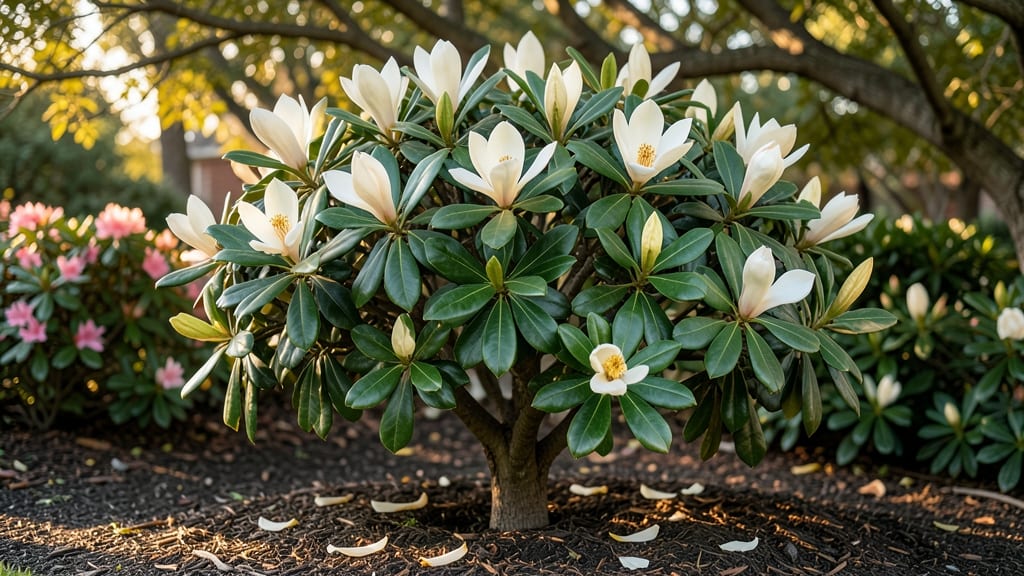
Pruning your magnolia tree shrub isn't just about shaping—it's about unlocking that thorn-free canopy you've been dreaming of. 🌿 I've pruned everything from delicate Magnolia stellata to towering Magnolia grandiflora, and the right cuts at the right time make all the difference.
The key? Timing your three seasonal prunes to encourage fuller growth without sacrificing those stunning blooms.
Start by learning your magnolia's growth habits—tree varieties like grandiflora need heavy pruning after flowering, while shrub types like stellata respond better to light shaping in early spring. You'll need sharp pruners, rubbing alcohol for cuts, and a clear day to avoid spreading disease.
The goal is to open up the center for airflow while maintaining that classic magnolia silhouette.
After just one season of proper pruning, you'll notice thicker branches, more abundant blooms, and a canopy that lets sunlight reach the lower leaves. The flowers stay vibrant, the wood stays healthy, and you avoid that leggy, overgrown look that makes magnolias look tired.
It's the difference between a showstopper and a shrub struggling to shine.
Works for both container-grown magnolias and mature yard specimens—just adjust the scale. Whether you're dealing with a young stellata or an established grandiflora, these techniques keep them thriving for decades. Let's get those branches looking intentional!
📚 In This Guide
- What you need
- Instructions
- Tips and common mistakes
- Wrapping up and next steps
What you need
- ● Pruning shears: Bypass pruners (sharp, 6-8 inch blades) for small branches (1/4"–3/4" diameter). Pro tip: 💡 Sanitize with rubbing alcohol between cuts to prevent disease!
- ● Loppers: Bypass or anvil type (18-24 inch blades) for medium branches (3/4"–2" diameter). Look for ratcheting handles for extra leverage.
- ● Pruning saw: Curved-tooth saw for thick branches (2"+ diameter). A folding blade saves space in your toolkit.
- ● Gloves: Heavy-duty, cut-resistant gloves (gardening or pruning-specific) to protect against thorns and sap.
- ● Disinfectant: 70% isopropyl alcohol or a pruning sealant (like Tanglefoot Tree Wound Pruning Seal) to sterilize tools and seal cuts.
- ● Ladder: Sturdy, extension ladder (16–24 ft) with non-slip feet for tall magnolias. Safety first! 🔥
- ● Trash bags: Heavy-duty contractor bags (2–3) for debris. Magnolia leaves and branches can be heavy when wet!
- ● Water & cloth: For cleaning tools mid-pruning and wiping sap off your hands.
- ● Pole saw: Extendable saw (10–15 ft) for high branches without a ladder.
- ● Work gloves with wrist straps: Prevents tools from slipping during intense pruning sessions.
- ● Pruning rope: For temporarily securing branches during complex cuts.
- ● Notebook & pen: To sketch your magnolia’s shape or track seasonal cuts.
- ● Safety goggles: Protects eyes from sap splatters or debris.
Step-by-Step guide to pruning magnolia shrubs for a thorn-free canopy
Here's the seasonal pruning routine I've perfected to keep magnolias lush, healthy, and free of those pesky thorns.
✂️ Step 1: Late Winter Cleanup (Before Bud Break)
Timing is everything with magnolias—prune in late winter when the tree is still dormant but just before buds swell. This is the ideal window to remove dead, diseased, or crossing branches that compete for energy. I use clean, sharp bypass pruners to make precise cuts just outside the branch collar (the swollen area where the branch meets the trunk).
Focus on branches that are less than ½ inch thick—these respond best to pruning. You'll see a clear difference in canopy openness after this first cut. Avoid heavy pruning now; magnolias bloom on old wood, so removing too many branches can reduce next year's flowers. Just shape lightly and remove any deadwood.
☀️ Step 2: Post-Bloom Thinning (Mid to Late Spring)
After your magnolia finishes flowering—usually 6-8 weeks post-bloom—it's time for the second cut. This is when you can thin out 10-20% of the canopy to improve airflow and reduce thorn density. Look for branches growing inward or rubbing against others; these are prime candidates for removal. Make cuts at the branch collar again, but this time, you can remove slightly larger branches (up to 1 inch thick).
Here's the thing—magnolias naturally produce thorns where branches cross or grow too densely. By opening up the canopy now, you're preventing future thorn growth. You'll notice fewer thorns in subsequent seasons if you stay consistent with this step. Water the base after pruning to help the tree recover.
✂️ Step 3: Light Summer Maintenance (Early to Mid-Summer)
In early summer, do a final light pruning to remove any suckers, water sprouts, or overly vigorous shoots that appeared after the spring flush. These are the fast-growing, weak branches that turn into thorns if left unchecked. Use hand pruners for smaller branches and loppers for anything thicker than 1 inch. Always cut back to a lateral branch or bud to encourage proper regrowth.
This isn't about heavy shaping—just tidying up. You'll see the canopy fill in more evenly as the season progresses. Avoid pruning after mid-summer; new growth won't harden off before winter, making it vulnerable to frost damage. A quick pass now keeps your magnolia looking polished without stressing the plant.
⏰ Step 4: Fall Preparation (Late Autumn)
In late fall, after leaves have dropped but before hard frosts, do a final inspection. Remove any dead, broken, or diseased branches that may have appeared over the summer. This is also the time to thin out any overly dense areas that might harbor pests or diseases over winter. Use sterilized pruners to prevent spreading any potential infections.
I like to finish with a light application of mulch around the base (if your materials list includes it) to protect roots from winter temperature swings. This step is often overlooked, but it makes a big difference in keeping your magnolia healthy for next year's pruning cycle. Avoid heavy pruning now—the tree needs to enter dormancy with its energy reserves intact.
Tips & tricks for pruning magnolia shrubs
Between us, these little details make all the difference when transforming your magnolia into a thorn-free beauty. The key is patience—magnolias reward careful, seasonal attention more than any quick fix.
Tool Selection: Never skimp on pruning tools—dull blades tear bark and invite infections. I swear by bypass pruners for branches under ½ inch and loppers with bypass blades for anything thicker. Sterilize tools between cuts using a 10% bleach solution (1 part bleach to 9 parts water) to prevent spreading diseases between branches. This is especially critical in Step 4 when you're removing diseased wood.
Branch Collar Precision: The branch collar—the swollen area where branches meet the trunk—is your visual guide. Cutting just outside this collar (never flush with it) ensures proper healing. In Step 1, I mark the collar with a pencil first to avoid over-cutting. If you accidentally cut into the collar, the wound won't seal properly, creating entry points for pests and diseases. Think of it as the tree's natural bandage—don't remove it!
Seasonal Timing: The 6-8 week window after flowering (Step 2) is non-negotiable for thorn reduction. This timing allows the tree to heal before winter stress sets in. Pro tip: Check your local magnolia variety's bloom time—some early bloomers like 'Jane' may need pruning as early as 4 weeks post-bloom, while late bloomers like 'Elizabeth' can wait up to 10 weeks. Always prune when at least 50% of flowers have fallen.
Thorn Prevention Strategy: Here's what nobody tells you—thorns form where branches cross or grow too densely. In Step 2, when thinning the canopy, focus on creating a "light filter" effect. Aim to remove branches that cast shade on others; this encourages outward growth rather than inward competition. You'll see fewer thorns in subsequent years if you maintain this open structure during summer maintenance too.
Pro Tips for Magnolia Tree Shrub
- Between us, these little details make all the difference when transforming your magnolia into a thorn-free beauty.
- Tool Selection: Never skimp on pruning tools—dull blades tear bark and invite infections.
- Branch Collar Precision: The branch collar—the swollen area where branches meet the trunk—is your visual guide.
Frequently asked questions
Got questions about pruning your magnolia tree shrub?
You’re not alone! Below, we tackle the most common concerns—from timing to troubleshooting—to help you keep your magnolia thriving with minimal stress.
When is the best time to prune a magnolia tree shrub?
The ideal window is late winter to early spring (before buds swell) or summer after flowering. Avoid pruning in fall or winter when magnolias are dormant—this can invite disease or frost damage. For evergreen varieties, summer pruning is safest to prevent fungal issues.
Can I prune my magnolia in summer?
Yes, but with caution! Summer pruning is best for post-flowering (after blooms fade) to avoid removing next year’s buds. Limit cuts to 10-15% of the canopy to reduce stress. Water deeply after pruning, and avoid heavy cuts—magnolias heal slowly in heat.
What should I do if my magnolia’s branches die after pruning?
Dead branches (brown, brittle, or hollow) signal over-pruning or disease. Don’t panic! Prune out the dead wood immediately, then apply a copper fungicide to prevent spread. If >30% of the canopy is dead, consult an arborist—your magnolia may need rejuvenation pruning over multiple seasons.
Will pruning my magnolia reduce next year’s flowers?
Not if done correctly! Prune after flowering (for spring-bloomers) or lightly in summer to preserve next year’s buds. Avoid cutting back into old wood—magnolias bloom on new growth. For heavy pruning, focus on shaping outer branches to encourage fresh, flower-bearing shoots.
Are there alternatives to pruning if my magnolia is overgrown?
If pruning feels overwhelming, try gradual thinning over 2–3 years or selective branch removal (cutting back to the trunk or a strong lateral branch). For extreme cases, consider pollarding (drastic cuts to encourage new growth), but this is best left to professionals for large specimens.
Wrapping up and next steps
Pruning your magnolia tree shrub doesn’t have to be intimidating—just follow the seasonal rhythm of light cuts in late winter, spring shaping, and summer maintenance. With the right tools, timing, and a little patience, you’ll enjoy a lush, healthy canopy without the thorns or stress. 🌿
Ready to take the next step? Mark your calendar for this year’s pruning schedule and grab your tools—your magnolia will thank you with vibrant blooms and effortless beauty! For extra confidence, watch a quick tutorial or consult your local nursery for expert advice.