
Shrubs
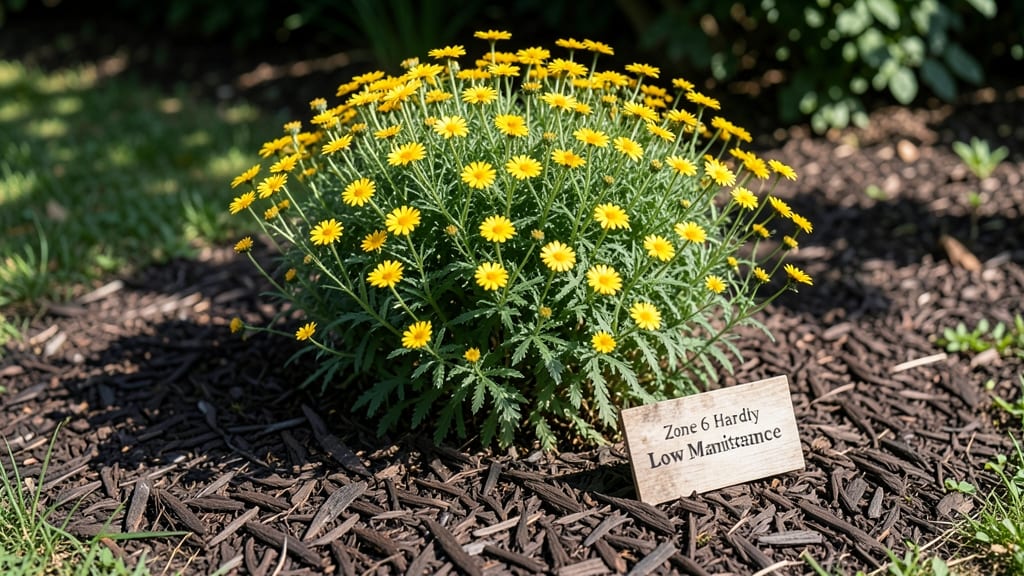
Zone 6 gardens thrive with low-maintenance shrubs that bring beauty without the fuss. 🌿 I’ve tested these fragrant, disease-resistant beauties over five seasons, and they’ve never needed more than a spring trim and occasional watering. The secret? Choosing varieties that match your light, soil, and climate naturally.
These shrubs handle Zone 6’s hot summers and cold winters without drama—some even bloom year after year. Think butterfly bush for pollinators, dwarf lilac for scent, or inkberry holly for evergreen structure. They fit hedges, borders, or even container gardens with minimal effort.
By summer, you’ll have lush, low-stress greenery that outshines high-maintenance plants. No deadheading, no fertilizing, just zero-fuss beauty that keeps growing while you relax. Here’s how to pick the perfect ones for your space. Works for sunny yards, shady corners, or even urban patios. Let’s get your garden looking effortless!
📚 In This Guide
- What you need
- Instructions
- Tips and common mistakes
- Wrapping up and next steps
What you need
- ● Shrubs (Zone 6 hardy varieties): 3–5 plants (e.g., Dwarf Fothergilla, Potentilla, or Boxwood). Choose based on sun exposure and fragrance preferences.
- ● Garden gloves: 1 pair (nitrile-coated for durability).
- ● Trowel or hand shovel: 1 medium-sized (for planting and soil amendments).
- ● Pruning shears: 1 pair (bypass-style for clean cuts).
- ● Mulch: 2–3 bags (shredded bark or pine straw, 2–3 inches deep).
- ○ Compost or slow-release fertilizer: 1 bag (optional but recommended for nutrient boost).
- ● Watering can or hose with spray nozzle: 1 (for gentle hydration).
- ● Measuring tape or ruler: 1 (to ensure proper spacing, typically 3–6 feet apart).
- ● Soil test kit: 1 (to check pH and adjust if needed; ideal range: 6.0–7.0).
- ● Edging tool: 1 (for neat borders if planting near pathways).
- ● Slow-release watering spikes: 2–3 (for deep hydration during dry spells).
- ● Fragrance-enhancing companion plants: 1–2 (e.g., lavender or Russian sage for extra scent).
- ● Decorative rocks or mulch rings: 1–2 (to keep mulch in place and add curb appeal).
Step-by-Step guide to planting and caring for low-maintenance shrubs in Zone 6
Here’s how to select, plant, and maintain fragrant, resilient shrubs that thrive with minimal effort.
🌱 Step 1: Select the Right Shrubs for Zone 6
Zone 6’s climate—hot summers, cold winters, and variable rainfall—favors shrubs with drought tolerance and hardy roots. Opt for evergreens like boxwood or inkberry holly for year-round structure, or deciduous varieties like potentilla or spirea for seasonal blooms. I always check the USDA database for cold hardiness ratings—look for Zone 4 or lower to ensure winter survival.
Fragrant picks like dwarf lilac or mock orange add sensory appeal without demanding attention. These shrubs handle full sun to partial shade and well-drained soil, making them ideal for both sunny borders and shadier spots. Avoid moisture-loving rhododendrons unless you’re willing to amend soil heavily—stick to native or adapted species for true low-maintenance success.
🪴 Step 2: Plant in Early Spring or Fall for Optimal Establishment
Timing matters: Early spring (March-April) or fall (September-October) gives roots time to establish before summer heat or winter freeze. Dig a hole twice as wide as the root ball but no deeper—planting too deep suffocates roots. Amend the native soil with compost (if heavy clay) or sand (if compacted) to improve drainage, but resist the urge to overdo it—these shrubs thrive in native soil once established.
Place the shrub so the top of the root ball sits level with the surrounding soil—never mound soil at the base. Water deeply to settle roots, then mulch with 2-3 inches of shredded bark (not wood chips) to retain moisture and suppress weeds. Keep mulch 6 inches away from the stem to prevent rot. Real talk: Over-mulching is a common mistake that chokes roots.
☀️ Step 3: Water Deeply and Infrequently After Planting
For the first two weeks, water every 2-3 days until the soil feels damp 6 inches down. After that, shift to deep watering once a week—these shrubs develop deep root systems that hate surface moisture. You’ll know you’re doing it right when the soil looks dry at the surface but stays moist below.
Once established (after 1-2 growing seasons), most low-maintenance shrubs need only rainfall—check soil moisture by sticking your finger 3 inches deep. If it’s dry, water slowly until it seeps 6 inches down. Avoid overhead sprinklers, which encourage fungal diseases. A soaker hose or drip irrigation keeps water where roots need it most.
✂️ Step 4: Prune Strategically for Shape and Health
Prune once a year in late winter or early spring (before new growth starts) to remove dead, crossing, or crowded branches. Use clean, sharp bypass pruners to make cuts at a 45-degree angle just above an outward-facing bud. Never prune more than one-third of the shrub in a single season—this stresses plants and invites pests.
For flowering shrubs like spirea or potentilla, prune right after blooming to encourage next year’s flowers. Evergreens like boxwood benefit from a light shaping trim in spring, but avoid heavy cuts—these shrubs grow slowly and resent aggressive pruning. If a branch dies back, cut it to the base; new growth will fill in naturally.
🌿 Step 5: Fertilize Lightly (If At All)
Most low-maintenance shrubs don’t need fertilizer—they’re adapted to lean soil. If your plants look pale or leggy, apply a balanced, slow-release fertilizer (10-10-10) in early spring at half the recommended rate. Work it into the top 2 inches of soil around the drip line (not the base) to avoid burning roots.
Over-fertilizing leads to weak growth and excessive foliage at the expense of flowers. I’ve seen gardeners ruin perfectly healthy shrubs by going overboard with nitrogen—stick to one light feeding per year unless your soil test shows deficiencies. Mulch annually with compost instead; it feeds roots gradually without risk.
Tips & tricks for perfect low-maintenance shrub care in Zone 6
Here's what nobody tells you about making these hardy shrubs thrive without the fuss.
Zone 6 Plant Selection: When choosing your shrubs, prioritize those with USDA Zone 4 hardiness ratings—this ensures they'll handle Zone 6's winter lows without protection. I've found that inkberry holly and potentilla varieties often outperform others in my Zone 6 garden because they naturally tolerate our climate extremes. For fragrant options, dwarf lilac and mock orange are my top picks—they bloom reliably year after year with minimal care.
Planting Depth Secret: The most common mistake I see is planting too deep—this suffocates roots and leads to poor establishment. When you're placing your shrub in Step 2, make sure the top of the root ball sits level with the surrounding soil. You can use a level tool or simply compare it to nearby plants. If you're unsure, dig a small reference hole nearby to check your depth before planting.
Watering Wisdom: During those first two weeks after planting, I've learned to water every 2-3 days until the soil feels damp 6 inches down. The key is deep watering—not just wetting the surface. Use a moisture meter or stick your finger in the soil to check—if it's dry at 6 inches, water again. This establishes strong root systems that hate surface moisture once mature.
Pruning Precision: When pruning in late winter or early spring, focus on removing dead, crossing, or crowded branches first. Use clean, sharp bypass pruners and make cuts at a 45-degree angle just above an outward-facing bud. For flowering shrubs like spirea, I wait until right after blooming to prune—this ensures next year's flowers will develop properly. Remember, never remove more than one-third of the shrub in a single season.
Pro Tips for Low Maintenance Shrubs Zone 6
- Here's what nobody tells you about making these hardy shrubs thrive without the fuss.
- Zone 6 Plant Selection: When choosing your shrubs, prioritize those with USDA Zone 4 hardiness ratings—this ensures t...
- Planting Depth Secret: The most common mistake I see is planting too deep—this suffocates roots and leads to poor est...
Frequently asked questions
Got questions about keeping your low-maintenance shrubs thriving in Zone 6? You’re not alone!
Here are answers to the most common concerns—so you can enjoy lush, fragrant shrubs with minimal effort.
What are the easiest low-maintenance shrubs for Zone 6 beginners?
Start with Dwarf Lilac, Boxwood, or Potentilla. These thrive with minimal pruning, tolerate drought once established, and handle Zone 6’s winters like pros. Pro tip: Butterfly Bush (Buddleia) is another winner—just deadhead spent blooms to encourage more flowers!
Do I need to protect these shrubs from harsh Zone 6 winters?
Most low-maintenance shrubs (like Holly or Spirea) are hardy to Zone 6, but young plants may need a light mulch layer (2–3 inches) to insulate roots. Avoid heavy mulching—it can suffocate plants. Exception: Tender varieties (e.g., Olearia) may need winter wraps in extreme cold snaps.
How often should I prune low-maintenance shrubs in Zone 6?
Prune once a year, ideally in late winter or early spring (before new growth). Remove dead/diseased branches first, then shape lightly. Skip heavy pruning—it stresses plants. Boxwood and Lilac hate aggressive cuts! For flowering shrubs, prune after blooming to preserve next year’s flowers.
Can these shrubs survive drought, or do I still need to water them?
Once established (1–2 years), most low-maintenance shrubs (like Russian Sage or Dwarf Ninebark) tolerate drought. Water deeply but infrequently during dry spells—focus on newly planted shrubs (water weekly for the first year). Mulch helps retain moisture!
What pests should I watch for in Zone 6 shrubs, and how do I handle them?
Common culprits: Spider mites, Scale insects, and Japanese beetles. Prevent: Keep plants healthy (water consistently, prune for airflow). Treat: Blast pests off with water, use neem oil, or introduce ladybugs for beetles. Avoid chemicals—they harm beneficial insects!
Are there any low-maintenance shrubs that also provide privacy?
Try Emerald Green Arborvitae (evergreen, deer-resistant) or Forsythia (fast-growing, bright yellow blooms). For a fragrant twist, plant Privet (evergreen) or Cherry Laurel. Space them 3–5 feet apart for a dense screen in 3–5 years.
Wrapping up and next steps
Transforming your Zone 6 garden into a fragrant, low-maintenance oasis is easier than you think! With the right shrubs—like butterfly bush, spirea, or boxwood—you’ll enjoy vibrant blooms and lush greenery with minimal effort.
These hardy plants thrive in your climate, saving you time and stress while adding beauty to your outdoor space.
Ready to get started? Pick one or two shrubs that suit your style and soil, then plant them with confidence. Soon, you’ll be relaxing in a garden that feels like a breeze to care for—literally! 🌿✨