
Flowers
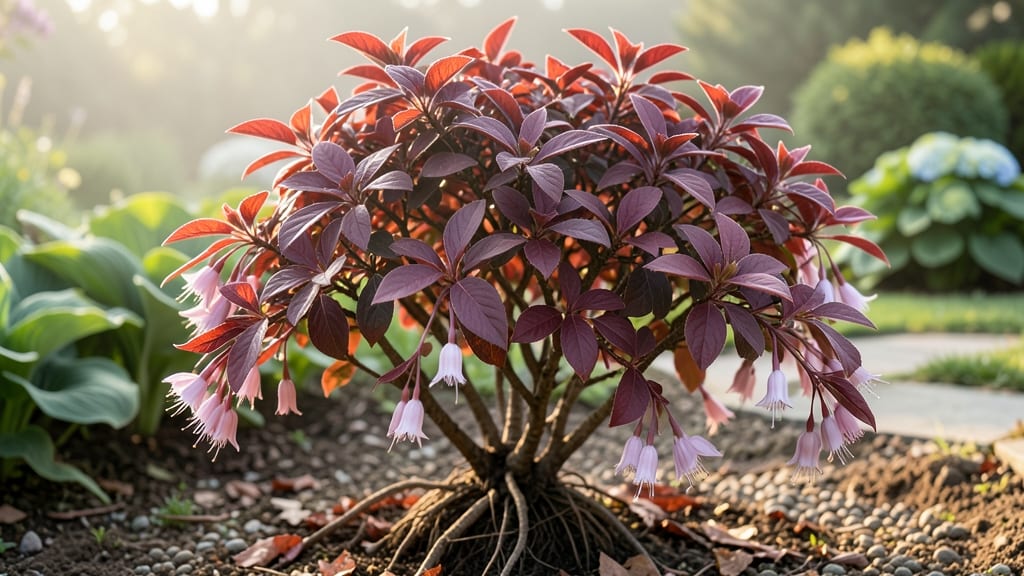
That Ruby Chinese Fringe flower loropetalum shrub is the kind of shrub that makes neighbors stop and ask, "What is that stunning purple plant?" 🌿 I fell for it the first time I saw its deep burgundy leaves and delicate pink blooms—it’s the perfect mix of drama and low-maintenance charm.
This evergreen shrub thrives in heat and humidity, making it ideal for Southern gardens but adaptable enough for other zones too.
The secret to its year-round color lies in the right growing conditions: well-draining soil, partial shade to protect its leaves from harsh afternoon sun, and consistent (but not soggy) watering.
Unlike many shrubs, it’s naturally thornless, so you can enjoy its beauty without worrying about prickly surprises. Once established, it’s surprisingly drought-tolerant, which means less fuss for you.
You’ll love how it blooms in late winter or early spring, often before other shrubs wake up, and its foliage stays vibrant even in cold snaps. Pruning is simple—just shape it after flowering to keep it neat, and you’ll have a shrub that looks polished all season.
The fragrance? A subtle, sweet bonus that adds to its appeal.
Whether you’re planting it as a standalone specimen or lining a pathway, this shrub delivers effortless elegance. Let’s get you growing one that’ll be the talk of your garden!
📚 In This Guide
- What you need
- Instructions
- Tips and common mistakes
- Wrapping up and next steps
What you need
- ● Loropetalum Ruby shrub: 1-3 plants (depending on desired size; mature shrubs reach 6–10 ft tall and wide). Well-draining potting mix or garden soil: 10–20 gallons (for containers) or amended native soil (for in-ground planting). Add compost or peat moss for fertility.
- ● Organic mulch: 2–3 inches (e.g., pine bark or shredded leaves) to retain moisture and suppress weeds.
- ● Slow-release fertilizer: Balanced 10-10-10 or acidic fertilizer (e.g., Miracle-Gro Azalea, Camellia & Rhododendron) for optimal growth.
- ● Pruning shears: Sharp, clean pair (sterilize with rubbing alcohol between cuts).
- ● Gloves: Heavy-duty garden gloves (to protect from thorns, if any, and sharp tools).
- ● Watering can or hose with adjustable nozzle: For gentle hydration (avoid soggy soil!).
- ○ Stakes or support: Optional for young plants in windy areas (3–4 stakes, 3–4 ft tall).
- ● Soil pH test kit: Ensures acidic soil (pH 5.0–6.0); adjust with sulfur if needed.
- ● Epsom salt: 1 tbsp per plant (every 2–3 months) for magnesium boost.
- ● Decorative rocks or edging: To enhance garden beds and protect mulch.
- ● Drip irrigation system: For automated, low-stress watering.
- ● Fungicide (e.g., copper-based): Preemptive measure for fungal diseases in humid climates.
Step-by-Step guide to planting and caring for Loropetalum Ruby Chinese Fringe
Here's how to establish this stunning, low-maintenance shrub for vibrant foliage and delicate blooms all year.
🌱 Step 1: Choose the Perfect Planting Site
Loropetalum Ruby thrives in full sun to partial shade—at least 6 hours of direct light daily—but tolerates morning sun with afternoon shade in hotter climates. The key is well-draining soil—this plant hates soggy roots. If your soil drains poorly, amend with 2-3 inches of organic matter like compost or aged bark.
I always check the site's drainage by digging a 12-inch hole and filling it with water. If it doesn't drain within 2-3 hours, I know I need to improve the soil. The shrub's natural habitat is acidic, so test your soil—aim for a pH between 5.5 and 6.5. If your soil is alkaline, mix in sulfur or peat moss to lower the pH.
🪴 Step 2: Dig and Plant with Proper Spacing
Dig a hole twice as wide as the Loropetalum's root ball but only as deep as the container's base. This prevents burying the stem too deeply, which can cause rot. Gently remove the plant from its container and loosen any circling roots with your fingers—this encourages outward growth.
Place the shrub in the hole so the top of the root ball sits level with the surrounding soil. Backfill with native soil mixed with a handful of slow-release fertilizer (look for one with balanced NPK like 10-10-10). Space plants 6-8 feet apart—they'll grow 6-10 feet wide and tall over time. Water deeply right after planting to settle the soil around the roots.
☀️ Step 3: Water and Mulch for Thriving Growth
Water deeply once a week for the first month after planting, ensuring moisture reaches 12 inches down. You'll know it's enough when water runs out the drainage holes. After establishment, Loropetalum is drought-tolerant—water only when the top 2 inches of soil feel dry. Overwatering is the fastest way to kill this plant.
Apply 2-3 inches of mulch (pine bark or pine straw works best) around the base, keeping it 6 inches away from the stem. This conserves moisture, regulates soil temperature, and mimics the plant's natural acidic environment. Replenish mulch annually—it breaks down quickly and loses effectiveness.
✂️ Step 4: Prune for Shape and Encourage Blooms
Prune Loropetalum immediately after flowering (usually late winter to early spring) to shape the shrub and encourage next year's blooms. Remove dead, diseased, or crossing branches first—these compete for energy. Then, trim back any leggy growth to just above a leaf node where new growth will emerge.
For a fuller look, cut back one-third of the oldest stems to the ground. This rejuvenates the plant and promotes bushier growth. Avoid heavy pruning in fall—you'll sacrifice next year's flowers. Wear gloves when pruning; while Loropetalum Ruby is thornless, some varieties have sharp edges.
🌿 Step 5: Fertilize and Monitor for Pests
Fertilize twice a year—once in early spring (when new growth begins) and again in mid-summer (after the first flush of flowers). Use a balanced, slow-release fertilizer (like 10-10-10) at half the recommended rate. Over-fertilizing leads to weak growth and fewer flowers.
Keep an eye out for scale insects or aphids, which occasionally target Loropetalum. Wipe them off with a soapy water solution (1 tablespoon mild dish soap per gallon of water) or blast them off with a strong stream of water. Healthy plants rarely have issues, but stress invites pests—so prioritize proper watering and soil conditions.
Tips & tricks for perfect Loropetalum Ruby planting
Between us, these little details make all the difference between a thriving shrub and one that struggles. I've seen too many beautiful Loropetalum Rubys fail because of small oversights—don't let that happen to yours.
Site Selection Secret: That 6 hours of sunlight isn't just about quantity—it's about quality. In hotter climates, morning sun with afternoon shade prevents leaf scorch while still giving the plant enough light to maintain its signature burgundy foliage. I always scout the site at different times of day to see how the light shifts, especially in summer when afternoon sun can be intense. The east side of your property often provides this perfect balance.
Root Ball Rescue: When loosening those circling roots in Step 2, think of it like untangling headphones—gentle persistence pays off. I've found that using a butter knife wrapped in paper towel gives me just enough traction to separate roots without damaging them. And here's what nobody tells you—if your plant comes in a plastic pot, soak the root ball for 10 minutes before removing it. This makes the roots more pliable and reduces transplant shock.
Mulch Mastery: The 2-3 inches of mulch isn't just about moisture—it's about creating the right microclimate. I like to mix pine bark with a handful of pine needles (from organic sources) to enhance that natural acidity. And here's my game-changer: I always apply mulch in two layers. First, a 1-inch base of coarse material to improve drainage, then the 2-inch layer on top. This prevents that dreaded "soggy base" scenario while still keeping roots cool.
Pruning Precision: When you're cutting back those one-third of oldest stems in Step 4, aim to make your cuts at a 45-degree angle just above a leaf node. This exposes more surface area for new growth while giving you that clean professional look. I also recommend sterilizing your pruners between cuts with rubbing alcohol—it's a small step that prevents spreading any potential diseases hiding in your plant.
Pro Tips for Loropetalum Ruby Chinese Fringe Flower Shrub
- Between us, these little details make all the difference between a thriving shrub and one that struggles.
- Site Selection Secret: That 6 hours of sunlight isn't just about quantity—it's about quality.
- Root Ball Rescue: When loosening those circling roots in Step 2, think of it like untangling headphones—gentle persistence pays off.
Frequently asked questions
How fast does Loropetalum 'Ruby' grow, and how big will it get?
The Loropetalum 'Ruby' grows at a moderate rate—about 12–24 inches per year under ideal conditions. Mature shrubs typically reach 6–10 feet tall and wide, making them perfect for hedges, borders, or standalone specimens. Prune annually to control size and shape!
Can Loropetalum 'Ruby' survive winter in cold climates?
This shrub thrives in USDA Zones 7–9, but with winter protection, it can tolerate brief dips to 5°F. In colder zones, mulch heavily, wrap the base with burlap, or plant in a sheltered spot. Pro tip: Avoid wet soil in winter to prevent root rot!
Why aren’t my Loropetalum flowers blooming?
Lack of blooms often stems from over-fertilizing (especially with high nitrogen), poor sunlight, or stress (like drought or transplant shock). Ensure it gets 6+ hours of sun, well-draining soil, and a balanced fertilizer in early spring. Prune spent blooms to encourage new growth!
Is Loropetalum 'Ruby' deer- or rabbit-resistant?
While not completely deer-proof, its thornless stems and bitter taste often deter browsing. For extra protection, apply a deer repellent spray or plant it near strongly scented herbs (like rosemary). Rabbits may nibble young shoots—consider a physical barrier if needed.
What are some low-maintenance alternatives to Loropetalum 'Ruby'?
If you want fragrant, evergreen shrubs with minimal fuss, try:
- Dwarf Fothergilla (Fothergilla gardenii) – Spring blooms + fall color
- Abelia 'Kaleidoscope' – Thornless, drought-tolerant, and blooms summer-fall
- Dwarf Gardenia (Gardenia jasminoides 'Radicans') – Fragrant but needs slightly more care
- Oakleaf Hydrangea (Hydrangea quercifolia) – Bold foliage + seasonal blooms
What pests should I watch for on Loropetalum 'Ruby'?
The biggest threats are scale insects, aphids, and spider mites. Check undersides of leaves for sticky residue or webs. Treat early with neem oil or insecticidal soap. Pro tip: Encourage ladybugs—they’re natural predators!
Wrapping up and next steps
The Loropetalum Ruby is a standout choice for gardeners seeking year-round beauty, fragrance, and low-maintenance charm. With its vibrant foliage, delicate blooms, and adaptability, this thornless shrub transforms any landscape into a lush, inviting space—whether you're a seasoned gardener or just starting.
Ready to elevate your garden? Plant one today and enjoy the rewards of its effortless elegance! 🌸
🌱 Next Steps:
- Check your local nursery for Loropetalum Ruby plants.
- Pick a sunny spot and prepare the soil for planting.
- Share your progress with fellow plant lovers—tag us @YourGardenCommunity!