
Shrubs
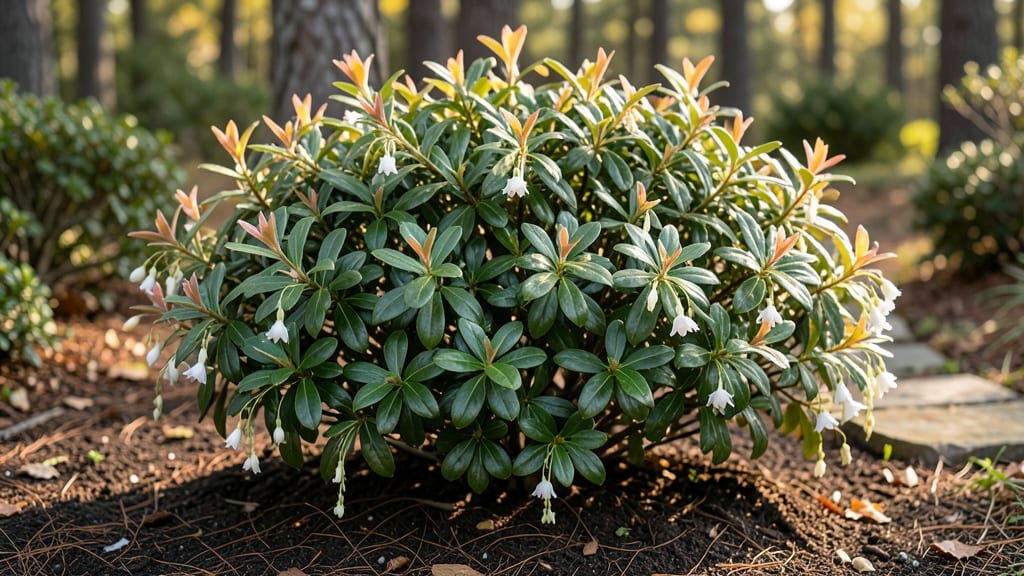
Your Mountain Snow Pieris evergreen shrub is about to become the star of your late-winter garden, with fragrant white blooms that arrive like clockwork each spring. 🌿 I've learned the hard way that pruning at the wrong time means fewer flowers and leggy growth—so timing is everything, especially in those chilly months when everything seems dormant.
The secret starts with understanding its natural rhythm: Pieris thrives in partial shade and acidic soil, and it rewards precise pruning after the winter chill but before new growth bursts forth. Most gardeners skip this step, but just 10 minutes with sharp shears can double your blooms next season.
The key is shaping while the plant is still sleeping but ready to wake up. What you'll end up with is a shrub that looks like a cloud of blossoms by March, with glossy evergreen leaves that stay vibrant all year.
The fragrance alone makes it worth the effort—imagine walking past and being hit with that sweet, honey-like scent on crisp mornings. Works beautifully as a foundation plant, shrub border, or even in containers. Here's exactly how to do it right without overcomplicating things.
📚 In This Guide
- What you need
- Instructions
- Tips and common mistakes
- Wrapping up and next steps
What you need
- ● Gearing up for your Mountain Snow Pieris pruning project? Here’s everything you’ll need to keep your evergreen shrub thriving and blooming beautifully! 🌿✂️
- ● Pro tip: 💡 Label your tools! Use a permanent marker to mark pruners/loppers for quick identification if you’re working with multiple shrubs.
How to prune Mountain Snow Pieris for healthier spring blooms
This is the moment that transforms next year's blooms—late-winter pruning keeps your Mountain Snow Pieris compact and fragrant.
✂️ Step 1: Choose the Right Time and Tools
Wait until late winter, after the worst cold snaps but before new growth begins—typically mid-February to early March in most climates. You'll know it's time when the ground feels thawed but buds haven't swollen yet. Gather sharp bypass pruners (dull tools crush stems) and sterilized rubbing alcohol to wipe blades between cuts.
I always prune on a dry, calm day. Wet conditions encourage fungal spores to spread through open wounds. If your shrub shows signs of snow mold (gray fuzzy patches), clean tools with a 10% bleach solution before and after pruning to prevent spreading.
🌿 Step 2: Remove Dead or Damaged Wood First
Scan the entire shrub for brown, mushy stems or branches with peeling bark. These are dead or diseased and must come out completely. Cut back to the main stem or healthy lateral branch—never leave stubs. You'll see healthy wood has greenish inner bark when you slice through it.
For branches with cankers (sunken, discolored areas), prune 6 inches below the damage. This ensures you remove all infected tissue. Bag and discard diseased wood immediately—don't compost it. Real talk: If more than 20% of the shrub shows signs of disease, consider treating with copper fungicide before pruning.
✂️ Step 3: Thin Out Crowded Branches
Step back and look for branches growing straight up or crossing others. These compete for light and air flow, weakening the shrub. Remove one-third of the oldest wood first—this encourages new growth from the base. Cut branches back to a bud or lateral branch at a 45-degree angle to prevent water pooling.
Here's the thing—never remove more than 25% of the shrub in one season. You'll see Mountain Snow Pieris recover quickly, but aggressive pruning stresses the plant. If you accidentally over-prune, you'll notice fewer blooms next spring and leggy new growth reaching for light.
🌱 Step 4: Shape for Airflow and Light Penetration
Lightly shape the shrub to maintain its rounded, mounded form. Remove branches growing into the center—these block airflow and trap moisture. Aim for an open, vase-like structure that lets sunlight reach all leaves. You'll want 6-8 inches of space between branches at maturity.
For larger shrubs, use loppers for branches thicker than ½ inch. Cut just outside the branch collar (the swollen area where the branch meets the stem). Avoid leaving stubs—they invite disease. If you're unsure where to cut, look for the small bump where the branch connects to the main stem and make your cut ¼ inch beyond it.
💧 Step 5: Clean Up and Fertilize for Recovery
After pruning, rake up all fallen debris and disinfect your tools again. Water the base of the shrub deeply to help it recover from the stress. You'll see new growth emerging from the base within 4-6 weeks—this is your signal that pruning was successful.
Apply a balanced, slow-release fertilizer (10-10-10) in early spring once new growth appears. Spread it evenly over the root zone and water it in. Avoid high-nitrogen fertilizers—they promote leafy growth at the expense of fragrant spring blooms, which is what we're after here.
Tips & tricks for pruning Mountain Snow Pieris
Late-winter pruning transforms your Mountain Snow Pieris into a fragrant, healthy beauty—but only if you do it right. These are the details that make all the difference between a good pruning and a great one.
Timing is Everything: That mid-February to early March window is critical for Mountain Snow Pieris. If you prune too early, you risk damaging dormant buds that haven't yet hardened off. If you wait too late, you'll encourage new growth that can't survive late frosts. I've learned this the hard way—pruning in late March once left my shrub with frost-nipped new leaves. Check for thawed ground but still dormant buds to nail the perfect timing.
Tool Prep Prevents Problems: Sterilizing your pruners between cuts isn't just about hygiene—it's about saving your shrub. I've seen fungal infections spread through pruning wounds because tools weren't properly cleaned. For Mountain Snow Pieris specifically, I always keep rubbing alcohol handy to wipe blades between cuts, especially when dealing with diseased branches. And remember: sharp tools make clean cuts that heal faster than jagged ones.
The 25% Rule: Never remove more than one-quarter of your Mountain Snow Pieris in a single season. This shrub responds beautifully to gentle pruning, but aggressive cuts stress it and can reduce next year's blooms. I once pruned too aggressively and ended up with leggy new growth that looked more like a weed than a fragrant shrub. When thinning crowded branches, focus on removing the oldest wood first—this encourages fresh growth from the base where blooms appear.
Visual Cues for Perfect Cuts: When shaping your shrub, look for the branch collar—the small bump where a branch meets the main stem. This is your guide for clean cuts. Make your cut just outside this collar at a 45-degree angle to prevent water from pooling. For Mountain Snow Pieris, I also watch for the greenish inner bark—this tells me I'm cutting healthy wood. If you see brown or mushy areas, you've found dead wood that needs removal.
Pro Tips for Mountain Snow Pieris Evergreen Shrub
- Late-winter pruning transforms your Mountain Snow Pieris into a fragrant, healthy beauty—but only if you do it right.
- Timing is Everything: That mid-February to early March window is critical for Mountain Snow Pieris.
- Tool Prep Prevents Problems: Sterilizing your pruners between cuts isn't just about hygiene—it's about saving your shrub.
Frequently asked questions
Got questions about keeping your Mountain Snow Pieris (Pieris floribunda) thriving with late-winter pruning? Here are some common ones—and their answers!
When is the exact best time to prune Mountain Snow Pieris?
The ideal window is late winter to early spring (February–March in most zones), before new growth starts. This timing ensures you don’t cut off next year’s blooms while still shaping the shrub. Avoid pruning in fall—it leaves the plant vulnerable to cold stress.
How much can I trim back without harming the shrub?
You can safely remove up to ⅓ of the plant’s height, focusing on dead, crossing, or overcrowded branches. For Mountain Snow Pieris, avoid heavy shearing—this shrub thrives with a natural, layered look. Pro tip: Prune just above a leaf bud or lateral branch for the best regrowth.
Will late-winter pruning affect my shrub’s fragrant spring blooms?
Not if done correctly! Prune after the blooms fade (but before buds swell) to preserve next year’s flowers. The Mountain Snow Pieris blooms on old wood, so avoid cutting back into last year’s growth. Think of it as a haircut—trim strategically, not drastically!
What if I missed the late-winter window? Can I still prune?
Yes, but with caution. If you prune in early spring, focus only on dead or diseased branches. Wait until after flowering (late spring) for heavier shaping. Warning: Avoid pruning in summer or fall—it stresses the plant and invites pests.
Are there alternatives if my Mountain Snow Pieris isn’t thriving?
If your shrub struggles, consider these fixes:
- Soil check: Ensure it’s acidic (pH 5.0–6.0)—Pieris loves rich, well-draining soil.
- Sunlight: Partial shade (3–6 hours of sun) is ideal; full sun can scorch leaves.
- Mulch: Add 2–3 inches of organic mulch (pine needles work great!) to retain moisture and acidity.
- Fertilizer: Use an acid-loving plant fertilizer in early spring if growth is slow.
Still not blooming? It might need rejuvenation pruning—cut back ⅓ of the oldest stems to encourage new growth.
Wrapping up and next steps
Ready to transform your garden into a fragrant spring paradise? The Mountain Snow Pieris is a low-maintenance, evergreen gem that rewards patience with stunning blooms and lush foliage. By following these late-winter pruning tips—timing, technique, and tool care—you’ll encourage healthier growth and breathtaking flowers year after year.
🌱 Next steps: Grab your pruners, mark your calendar for late winter, and give your Pieris the TLC it deserves. Watch as your shrub bursts into life, filling your outdoor space with delicate beauty and intoxicating scent!