
Shrubs
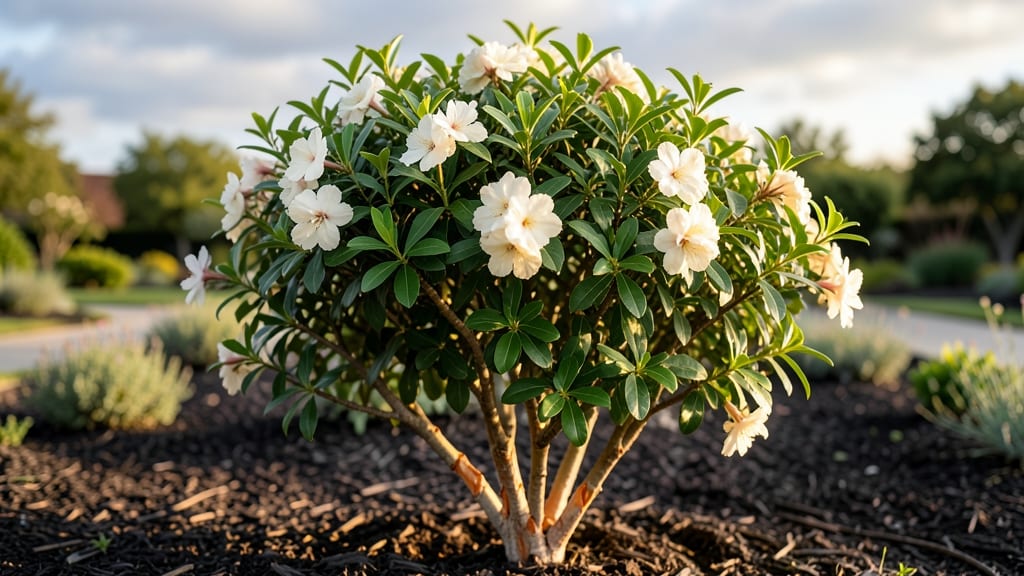
The Little Princess shrub thrives best in partial shade, well-draining soil, and with consistent but moderate watering—its compact form and colorful foliage make it perfect for garden borders or patio containers. Light pruning after blooming helps keep its neat, rounded shape while promoting fuller growth.
The Little Princess shrub's secret to success lies in its adaptability to filtered sunlight, which prevents leaf scorch while maintaining vibrant blooms. 🌿 Unlike sun-loving varieties, it tolerates afternoon shade, making it ideal for urban gardens or areas with hot climates.
For soil, focus on a mix that drains quickly but retains moisture—think sandy loam amended with compost. Overwatering is the biggest mistake gardeners make, as these shrubs prefer their roots to dry slightly between waterings, which encourages deeper root systems and better drought resistance.
When it comes to pruning, timing matters most. Deadhead spent flowers in early summer to redirect energy into new growth, and give the shrub a light shape-up after its main blooming cycle ends. Avoid heavy pruning in spring, as this can remove next year's flower buds.
If your Little Princess starts looking leggy, a strategic trim in late summer will stimulate bushier, more compact growth—just be sure to use clean, sharp shears to prevent disease.
💡 In This Article
- Optimal Growing Conditions for Little Princess Shrubs
- Step-by-Step Pruning and Maintenance Guide for Little Princess Shrubs
Optimal growing conditions for Little Princess shrubs
This shrub's preference for partial shade isn't just about avoiding harsh sunlight—it's about balancing photosynthesis and moisture retention. In full sun, its delicate leaves can develop brown edges from dehydration, while too much shade reduces flower production.
The ideal spot receives morning sun and afternoon shade, creating a 60-70% light exposure environment. Think of it like a tea blend: too strong (full sun) burns the leaves, while too weak (deep shade) makes the plant weak and sparse. 🌿
The soil requirements go beyond just "well-draining"—it needs a specific texture and pH balance. Aim for a mix of sandy loam with 20-30% organic matter (like compost or peat moss) to prevent compaction while retaining enough moisture.
The pH should sit between 5.5-6.5, slightly acidic to neutral, which mimics its natural woodland understory habitat. Too alkaline (7.0+) can lock out essential micronutrients like iron, causing yellowing between leaf veins—a condition called chlorosis.
Watering science reveals why moderation is key: these shrubs develop a deep taproot system when slightly stressed, making them more drought-tolerant than shallow-rooted varieties. Water deeply once a week during dry spells, then let the top 2-3 inches of soil dry out before watering again.
Overwatering triggers root rot by suffocating roots in anaerobic conditions, while underwatering causes wilting and stunted growth. The secret is creating a moist-but-not-soggy environment year-round.
Climate adaptability makes this shrub a standout performer. It handles USDA Zones 6-9, meaning it can survive winter temperatures down to -10°F with proper mulching (use 3-4 inches of wood chips in fall). In hot climates, its natural shade tolerance prevents heat stress that would scorch sun-loving shrubs.
Even in containers, it thrives as long as the pot has drainage holes and you avoid letting soil dry completely between waterings—a common mistake that leads to leaf drop.
For vibrant year-round blooms, focus on three key factors: consistent light exposure, balanced soil nutrition, and seasonal adjustments. In spring, add a slow-release fertilizer (10-10-10 ratio) to support new growth, while in fall, reduce watering slightly to harden off the plant for winter.
The result? A shrub that maintains its compact 3-4 foot height and 2-3 foot spread while producing continuous flowers from late spring through fall. 💫
One often-overlooked detail is how this shrub's foliage responds to environmental conditions. The dark green leaves with purple undersides act like built-in moisture indicators: when they start curling upward, it's a sign to water; when they yellow at the edges, it's time to check drainage.
This visual feedback system makes it easier to adjust care than many shrubs that show stress only after damage is done.