
Container Gardens
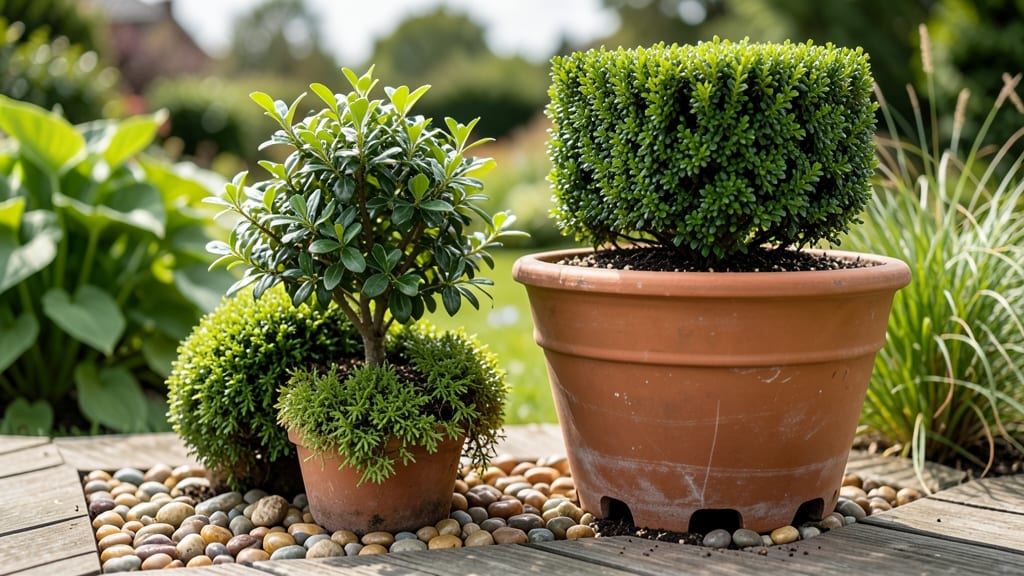
Growing shrubs in containers lets you turn even a tiny balcony into a lush, year-round garden. 🌿 I've filled my urban patio with dwarf lilacs, boxwoods, and hydrangeas—plants that would never survive in-ground here, but thrive in pots with the right care.
The secret isn't expensive containers or rare varieties, but matching each shrub to its ideal growing conditions.
Start with the right pot: at least 12 inches deep for dwarf varieties, with drainage holes to prevent soggy roots. Use lightweight potting mix designed for containers—regular garden soil compacts and drains too fast.
My favorite shrubs for containers are dwarf gardenias, abelia, and compact azaleas, but almost any shrub can adapt with proper sizing and care.
You'll notice the difference within weeks: vibrant foliage, frequent blooms, and plants that outperform their in-ground cousins. The key is consistent moisture (never soggy) and balanced fertilizer every 6-8 weeks. Even in summer heat, container shrubs stay lush when given afternoon shade and regular pruning to encourage bushier growth.
Container shrubs need annual repotting to prevent root-binding, and winter protection in cold climates. The trade-off? You can move them to create seasonal displays, protect them from pests, and enjoy gardening even without a yard. Ready to transform your space?
📚 In This Guide
- What you need
- Instructions
- Tips and common mistakes
- Wrapping up and next steps
What you need
- ● Containers: 1–3 large pots (12–18 inches in diameter) with drainage holes. Opt for lightweight materials like terra cotta, plastic, or fiberglass.
- ● Potting Mix: 1–2 bags of high-quality, well-draining container-specific soil (avoid garden soil—it compacts!).
- ● Shrubs: 1–3 young shrubs (3–6 inches tall) suited for containers, like dwarf boxwood, lavender, or abelia.
- ● Drainage Layer: Small gravel, perlite, or container-specific pebbles (1–2 inches deep).
- ● Fertilizer: Slow-release granules or liquid fertilizer (balanced 10-10-10 or organic options like compost tea).
- ● Watering Can or Hose: With a gentle spray nozzle for even moisture.
- ● Pruning Shears: Sharp, clean shears for trimming and shaping.
- ● Mulch (1 inch of bark or pine needles) to retain moisture.
- ● Container saucers or trays to catch runoff.
- ● Self-watering system or moisture meters for low-maintenance care.
- ● Decorative stones or pebbles for a polished look.
- ● Gloves and knee pads for comfort during planting.
Step-by-step instructions for growing shrubs in containers
Container gardening transforms small spaces into lush, functional landscapes—here's how to grow thriving shrubs in pots.
🪴 Step 1: Select the Right Containers and Drainage
Choose containers at least 12-18 inches deep with drainage holes—shrubs need room for root expansion and hate soggy feet. I prefer unglazed ceramic or fiberglass because they regulate moisture better than plastic. If your pots lack holes, drill them yourself using a ½-inch masonry bit. Place a 2-inch layer of gravel or broken pottery at the bottom to prevent soil compaction and improve drainage.
For 4 shrubs, you'll need 4 containers—size depends on mature plant width (e.g., a 24-inch box for dwarf lilacs, 18-inch pots for compact boxwoods). Group containers together to create visual cohesion and make watering easier. I always add 2-3 extra holes on the sides of larger pots to prevent waterlogging during heavy rains.
🌱 Step 2: Prepare the Soil and Planting Mix
Fill each container ⅔ full with a well-draining potting mix—never garden soil, which compacts in pots and suffocates roots. I blend equal parts premium potting mix, perlite, and compost for optimal aeration and nutrition. For 4 shrubs, you'll need about 10-12 gallons total (2.5-3 gallons per 18-inch pot). Moisten the mix until it feels like a slightly damp sponge—not dripping, but not bone-dry.
Add a slow-release fertilizer (like 10-10-10) at planting time—1 tablespoon per gallon of soil. This ensures steady nutrients without risking root burn from over-fertilizing. Tap the container gently after filling to settle the mix without compacting it. The top 1-2 inches should remain loose for easy water penetration.
☀️ Step 3: Plant Shrubs at the Correct Depth and Stake if Needed
Remove the shrub from its nursery pot and loosen the root ball by gently teasing apart the outer roots—this encourages them to spread into the new container. Dig a hole twice as wide as the root ball but only as deep as the plant's root flare (where roots meet stem). Place the shrub in, backfilling with soil while pressing lightly to eliminate air pockets.
For tall or top-heavy shrubs (like hydrangeas), insert 1-2 bamboo stakes next to the plant and secure with soft plant ties. Water deeply after planting to help soil settle around roots. The top of the root ball should sit ½ inch below the container rim—this prevents soil from washing away during watering. Mulch the surface with 1 inch of shredded bark to retain moisture and regulate temperature.
💧 Step 4: Water and Maintain Proper Moisture Levels
Water thoroughly until it drains from the bottom holes—this ensures roots establish in moist soil. After the first week, let the top 1-2 inches of soil dry between waterings. Overwatering is the #1 killer of container shrubs; I check moisture by sticking my finger in the soil—if it feels dry at 1 inch deep, it's time to water. During hot spells, you may need to water every 2-3 days, but adjust based on your shrub type (e.g., boxwoods tolerate drier conditions than azaleas).
Fertilize monthly during growing season (spring-fall) with a balanced liquid fertilizer (like 20-20-20) at ½ the recommended strength. This prevents salt buildup in pots. In winter, reduce watering to once every 10-14 days unless your climate is particularly dry. I always use lukewarm water to avoid shocking roots—cold water can stunt growth.
✂️ Step 5: Prune and Care for Long-Term Health
Prune late winter or early spring (just before new growth starts) to shape shrubs and encourage bushiness. Use clean, sharp pruners to make 45-degree cuts just above a leaf node. For 4 shrubs, dedicate 10-15 minutes per plant—focus on removing dead, crossing, or overcrowded branches. Never cut more than ⅓ of the plant’s foliage in one season, or you’ll stress it. I always sterilize my pruners with rubbing alcohol between cuts to prevent disease spread.
Rotate containers quarter-turn weekly so shrubs grow evenly toward all sides (not just the light source). Watch for yellowing leaves—this often signals overwatering (check drainage) or nutrient deficiency (flush soil with water, then reapply fertilizer). Repot every 2-3 years into a container 2-4 inches larger to accommodate root growth. Divide overcrowded shrubs (like boxwoods) in early spring by separating root balls and replanting.
Tips & tricks for thriving container-grown shrubs
Here's what nobody tells you about keeping your potted shrubs lush and healthy for years to come.
Container Size Matters: The 12-18 inch depth recommendation isn't just about roots—it's about stability. Larger containers (like that 24-inch box for dwarf lilacs) need 2-3 extra side holes to prevent waterlogging, especially in heavy rains. I've learned this the hard way after watching roots rot in overwatered pots. For 4 shrubs, invest in quality containers first—they'll last through multiple plantings.
Soil Science That Works: That equal parts premium potting mix, perlite, and compost blend isn't arbitrary. The perlite creates air pockets crucial for root respiration, while compost provides slow-release nutrients. I always sift the mix before adding it to containers to prevent clumps that can suffocate roots. Pro tip: Add 1 tablespoon of worm castings per gallon of soil for extra microbial activity—your shrubs will thank you with vibrant growth.
Planting Depth Secret: The root flare (where roots meet stem) is your guidepost—never bury it deeper than where it naturally sits in the nursery pot. I use a pencil to mark the soil level before planting, then backfill until the mark aligns with the container rim. This prevents stem rot while ensuring stability. For tall shrubs, stake immediately after planting while soil is still moist for best support.
Watering Wisdom: That finger test at 1 inch deep is gold, but timing matters too. Water in the early morning to let foliage dry before evening—this prevents fungal issues. I've found using a moisture meter for the first month helps beginners avoid both underwatering and overwatering. Remember: container soil dries out 2-3 times faster than in-ground soil.
Pro Tips for Growing Shrubs In Containers
- Here's what nobody tells you about keeping your potted shrubs lush and healthy for years to come.
- Container Size Matters: The 12-18 inch depth recommendation isn't just about roots—it's about stability.
- Soil Science That Works: That equal parts premium potting mix, perlite, and compost blend isn't arbitrary.
Frequently asked questions
Got questions?
Growing shrubs in containers is rewarding but can come with a few curveballs—especially for beginners. Here are answers to the most common queries to help you green-thumb your container garden like a pro!
What’s the best type of container for shrubs?
Choose containers with drainage holes (or drill them yourself!) to prevent root rot. Terracotta pots work well for small shrubs, while plastic or resin containers retain moisture better for larger varieties. Heavy shrubs like hydrangeas need sturdy, wide bases to avoid tipping.
When is the best time to plant shrubs in containers?
Plant in early spring or fall when temperatures are mild. Avoid extreme heat or frost, which can stress roots. Bare-root shrubs should be planted in spring, while potted shrubs can go in anytime—just water thoroughly after planting!
How often should I water container-grown shrubs?
Containers dry out faster than ground soil. Water when the top 1-2 inches of soil feels dry. Most shrubs need 1-2 gallons per week, but adjust for heat, wind, or sun exposure. Mulch helps retain moisture—just keep it 2-3 inches away from stems.
Can I grow any shrub in a container?
Not all shrubs thrive in containers—stick to dwarf or compact varieties. Great picks: boxwoods, lavender, dwarf lilacs, and creeping junipers. Avoid fast-growing or heavy-rooted shrubs like willows or large oaks unless you’re using oversized containers.
Why are my container shrubs turning yellow or wilting?
Yellow leaves often signal overwatering or poor drainage. Wilting can mean underwatering, root-bound conditions, or pests. Check for aphids or spider mites on undersides of leaves. Adjust watering, repot if roots are circling, or treat with neem oil for pests.
Wrapping up and next steps
Growing shrubs in containers is a game-changer for small gardens—it’s flexible, rewarding, and perfect for adding greenery without sacrificing space. 🌿 With the right plants, pots, and care, you’ll enjoy lush foliage, beautiful blooms, and even fresh herbs or edibles right on your patio or balcony.
Whether you’re a beginner or a seasoned gardener, container shrubs bring nature’s charm to any setting.
Ready to dive in? Start small—pick one or two shrubs, gather your supplies, and let your green thumb shine! Your future container garden is just a pot away. Happy planting! 🌱