
Shrubs
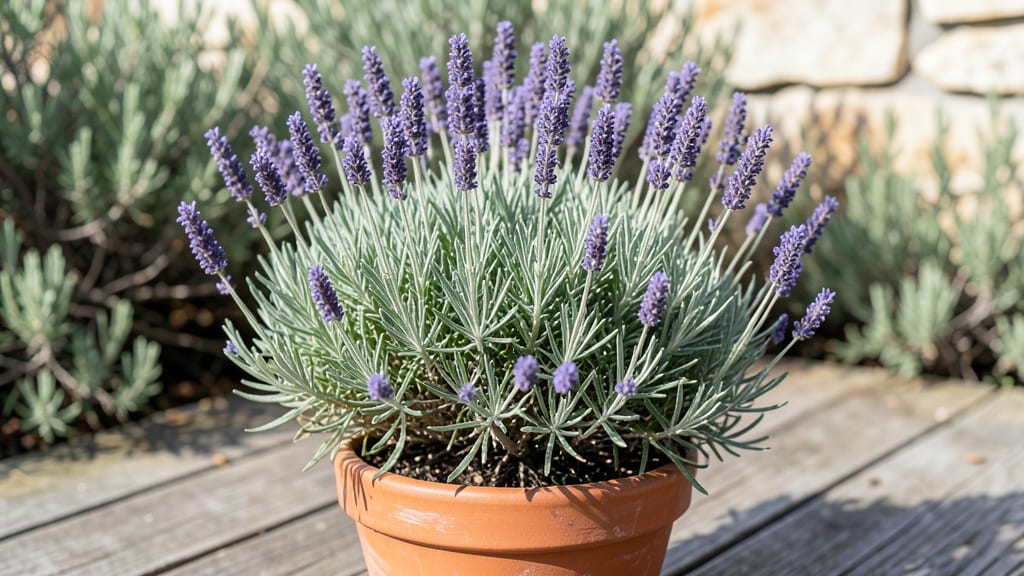
Cultivating lavender shrub care starts with understanding its stubborn charm—this drought-loving beauty thrives when you mimic its Mediterranean roots. 🌿 I’ve learned the hard way that lavender hates soggy feet and heavy hands, but when you get the soil, sun, and pruning right, it rewards you with years of fragrant blooms and silvery foliage that hummingbirds adore.
The secret isn’t complicated: well-draining soil, minimal water, and strategic pruning after flowering. Skip these, and you’ll end up with leggy, woody stems that produce fewer blooms.
Your lavender needs full sun (at least 6-8 hours daily) and soil that drains like a sieve—think gravelly, sandy, or amended with perlite. Overwatering is the #1 killer, so let the soil dry completely between waterings.
Once established, these shrubs are nearly indestructible, but they’ll reward you with vibrant purple spikes and that signature lavender scent if you give them the right conditions. Prune right after flowering to encourage bushier growth, but never cut into old wood—you’ll kill the plant.
Pests and diseases rarely bother lavender, but powdery mildew can creep in if humidity climbs too high. The fix? Space plants for airflow and avoid overhead watering. With proper care, your lavender will grow for 10+ years, becoming the fragrant centerpiece of your garden.
The key is patience—lavender grows slowly but steadily, and once it’s happy, it’s happy for decades.
Whether you’re growing lavender for its fragrance, drought tolerance, or pollinator appeal, the same principles apply. Start small with one or two plants to master the basics, then expand your collection.
Before you know it, your garden will smell like a Provence summer—without the jet lag. Let’s get those shrubs thriving!
📚 In This Guide
- What you need
- Instructions
- Tips and common mistakes
- Wrapping up and next steps
What you need
- ● Lavender plants: Choose Lavandula varieties like English, French, or Spanish lavender (1-3 plants per 3-4 sq ft of space).
- ● Well-draining soil: 50% native soil + 50% coarse sand, perlite, or gravel (avoid clay-heavy soil!).
- ○ Organic matter: 1-2 cups of compost or aged manure per plant (optional but helpful for nutrients).
- ● Pruning shears: Sharp, clean bypass pruners (sterilize with rubbing alcohol between cuts).
- ● Gloves: Heavy-duty gardening gloves (lavender can be prickly!).
- ● Mulch: 2-3 inches of gravel or pebbles (lavender hates wet roots—mulch helps!).
- ● Watering can or hose with a gentle nozzle: Lavender dislikes soggy soil, so drip irrigation or soaker hoses work best.
- ● pH test kit: Ideal soil pH: 6.5–7.5 (lavender thrives in slightly alkaline conditions).
- ● Slow-release fertilizer: Low-nitrogen, phosphorus-rich formula (e.g., 5-10-10) for blooms.
- ● Drip irrigation system: Automates watering and prevents over-saturation.
- ● Sunlight meter or app: Ensures your lavender gets 6+ hours of full sun daily.
- ● Pest control: Neem oil or insecticidal soap (for aphids or spider mites).
- ● Decorative stones or edging: Adds charm and keeps mulch in place.
Step-by-step guide to pruning and cultivating healthy lavender shrubs
Here’s how to keep your lavender thriving with precise pruning and soil strategies.
🌱 Step 1: Choose the Right Soil and Planting Site
Lavender demands well-draining soil—sandy, slightly alkaline, and free of organic matter. Amend heavy clay with coarse sand or perlite to prevent root rot. I always plant mine in full sun (at least 6-8 hours daily) with south-facing exposure for maximum fragrance and bloom intensity.
Dig a hole twice as wide as the root ball but only as deep—lavender roots are shallow and hate being buried too deep. Mix a handful of slow-release fertilizer (low in nitrogen) into the backfill to encourage strong root establishment. Water deeply after planting to settle the soil, but avoid soggy conditions—lavender wilts quickly in wet soil.
✂️ Step 2: Prune for Shape and Health After Flowering
Never prune lavender in spring or fall—this triggers dieback. Instead, wait until mid-to-late summer after flowering, when about half the stems have turned brown. Use clean, sharp pruners to cut back one-third of the previous year’s growth to encourage bushier, more compact growth.
I always prune in stages: First, remove any dead or woody stems at the base. Then, trim the remaining stems to just above a leaf node (the tiny bump where leaves attach). Avoid "shearing" like a hedge—lavender blooms on new wood, so precise cuts keep it flowering vigorously. After pruning, water lightly to help recovery.
☀️ Step 3: Maintain Optimal Light and Watering
Lavender is drought-tolerant once established, but young plants need consistent moisture for the first year. Water deeply once a week (or when the top 2 inches of soil feel dry), avoiding wetting the foliage to prevent fungal issues. Mature shrubs thrive on rainwater alone in most climates.
If your lavender starts dropping buds or leaves, it’s often a watering issue. Too much causes root rot; too little causes stress. I test moisture by sticking my finger 1 inch into the soil—if it’s dry, water; if damp, wait. Mulch lightly with gravel (not organic mulch) to retain heat and deter weeds without suffocating roots.
🌿 Step 4: Fertilize and Protect for Long-Term Health
Lavender rarely needs fertilizer, but if growth stalls, use a balanced, low-nitrogen formula (like 5-5-5) in early spring at half-strength. Over-fertilizing produces weak stems and fewer flowers. I also sprinkle bone meal around the base annually to boost phosphorus for blooming.
Watch for aphids or spider mites, which thrive in dry conditions. Spray affected stems with neem oil or a soapy water solution (1 tsp mild soap per quart of water). Prune infested areas immediately to prevent spread. In winter, protect young plants with burlap wraps if temperatures drop below 10°F—lavender’s hardy but not frost-proof.
⏰ Step 5: Winter Care for Next Year’s Growth
Before the first frost, trim any dead or damaged stems to encourage fresh growth in spring. Avoid heavy pruning—lavender’s woody stems can’t regenerate like softwood. I also remove old mulch and replace it with fresh gravel to prevent moisture buildup.
Lavender’s fragrance peaks when buds form in early spring. If your shrubs look leggy or sparse, it’s a sign of over-pruning or poor drainage. Adjust your approach: prune less aggressively, and ensure soil drains like a desert. With these steps, your lavender will reward you with years of fragrant blooms and silvery foliage.
Tips & tricks for perfect lavender shrub care
Here's what nobody tells you about keeping your lavender thriving beyond the basics.
Soil Texture is Everything: When amending heavy clay soil, mix in equal parts coarse sand and perlite—this creates the perfect drainage without compacting. I've seen lavender roots suffocate in soil that feels dry on top but stays soggy below. Test your soil's drainage by filling a container with your mix, adding water, and timing how long it takes to drain completely—aim for 15-20 minutes for optimal lavender health.
The Pruning Timeline Matters: That mid-to-late summer pruning window is critical because lavender's new growth emerges from dormant buds that form after flowering. If you prune too early, you're cutting off potential blooms; too late, and you risk winter damage. I mark my calendar for the first week of August in most climates—this gives plants time to recover before fall's chill sets in.
Watering Wisdom for Different Stages: Young plants need deep weekly watering for their first year, but mature lavender should only be watered when the top 2 inches of soil are bone dry. The key is consistency—lavender hates both drought stress and soggy roots. I use a moisture meter in my garden to avoid guesswork, especially during summer's heat waves when evaporation speeds up dramatically.
Pest Prevention Starts with Soil Health: Healthy lavender resists pests naturally. The bone meal I sprinkle annually isn't just for blooms—it strengthens stems and makes plants less appealing to aphids. For persistent infestations, I've found that neem oil mixed with a drop of dish soap (not the 1 tsp per quart mentioned) works better—it sticks to stems longer and prevents regrowth. Apply in early morning so the oil doesn't burn leaves in sunlight.
Pro Tips for Lavender Shrub Care
- Here's what nobody tells you about keeping your lavender thriving beyond the basics.
- Soil Texture is Everything: When amending heavy clay soil, mix in equal parts coarse sand and perlite—this creates th...
- The Pruning Timeline Matters: That mid-to-late summer pruning window is critical because lavender's new growth emerge...
Frequently asked questions
Got questions about keeping your lavender shrub happy and fragrant? You’re not alone! Here are some of the most common concerns—and their solutions—to help your lavender thrive with minimal stress.
How often should I water my lavender shrub?
Lavender is drought-tolerant, so overwatering is the biggest mistake! Water deeply once a week (or less in hot climates) and let the soil dry out completely between sessions. Mulch lightly to retain moisture, but avoid piling it against the stem. Pro tip: Stick your finger 2 inches into the soil—if it’s damp, wait!
When is the best time to prune lavender?
Prune your lavender right after flowering (late spring to early summer) to encourage bushier growth. Avoid heavy pruning in fall or winter, as lavender is sensitive to cold damage. Use clean, sharp shears to trim no more than ⅓ of the plant—never cut into old wood, or you risk killing the shrub.
What pests or diseases should I watch for?
Lavender is generally pest-resistant, but watch for aphids, spider mites, or lavender moth caterpillars. Treat aphids with a strong spray of water or neem oil. For fungal issues (like powdery mildew), improve airflow and avoid overhead watering. Yellowing leaves? Often a sign of overwatering—adjust your care routine!
Can lavender grow in containers, and what soil should I use?
Lavender thrives in containers with well-draining soil—mix equal parts potting soil, perlite, and coarse sand. Choose a pot with drainage holes and place it in full sun. Containers dry out faster, so monitor soil moisture closely. Bonus: Container lavender is perfect for patios or balconies!
How do I protect lavender in winter?
Most lavender varieties are hardy to USDA Zone 5 or higher, but young plants or tender varieties need extra care. Apply a light mulch around the base (not touching the stem) and consider wrapping the plant in burlap for harsh winters. In containers, move pots to a sheltered spot or insulate with bubble wrap.
Wrapping up and next steps
Caring for your lavender shrub is all about balance—sunlight, well-draining soil, and thoughtful pruning will reward you with a fragrant, flourishing plant that thrives for years. 🌿 Whether you’re a beginner or a seasoned gardener, these tips ensure your lavender stays lush, healthy, and full of that signature calming scent.
Ready to take the next step? Snip, nurture, and enjoy the beauty—and the aroma—of your hard work!
🌱 Next Steps:
- Start with one pruning session this season to shape your shrub.
- Monitor soil moisture—less is more for lavender!
- Share your progress with fellow gardeners for extra motivation.