
Shrubs
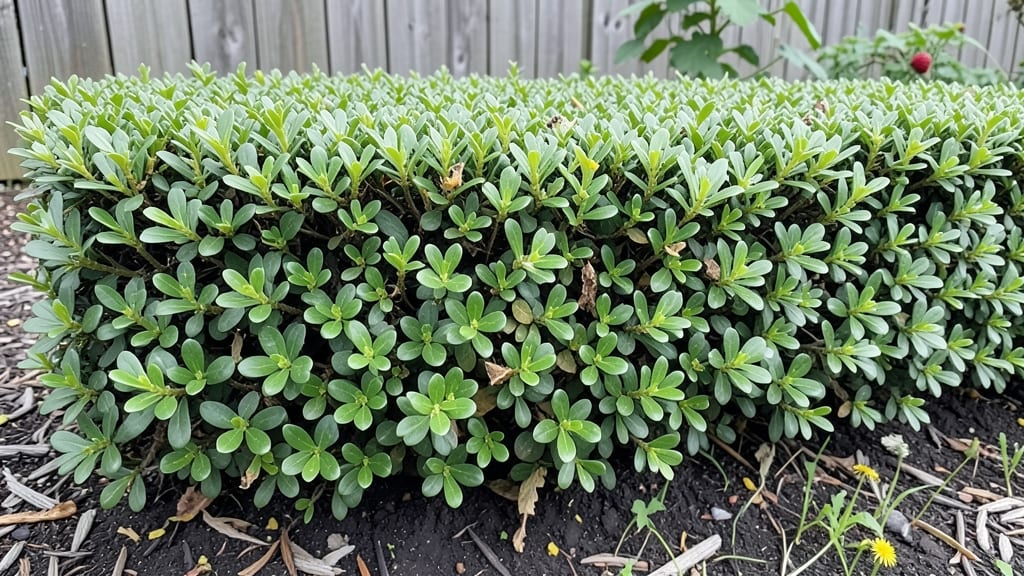
Those towering large shrubs for privacy can turn your yard into a lush, green fortress in just three years—no waiting decades for slow growers. 🌿 I planted Leyland cypress last spring, and by summer, they’d already outpaced my neighbors’ 5-year-old fence.
The right species turns a drafty backyard into a secluded retreat without years of waiting.
Your best bets are evergreens like arborvitae or bamboo for year-round coverage, or deciduous options like willow oak if you prefer seasonal interest. Spacing matters—plant them 10–15 feet apart for full coverage in 3–5 years, and prune lightly in early spring to encourage dense growth.
Soil prep is key: amending with compost ensures roots establish quickly.
By year three, you’ll have a 10–12-foot-tall living wall that blocks noise, wind, and prying eyes. The best part? These shrubs thrive with minimal fuss—just consistent watering the first year and an annual trim to keep them shaped. Imagine sipping coffee on your patio, completely shielded from the street.
Works for sun or shade, urban or rural yards—just pick the right species for your climate. Here’s how to choose and plant for maximum speed and impact.
Root Causes Of Shrub Failures
Planting large shrubs for privacy sounds simple—dig a hole, pop in the plant, and watch it grow. But why do some shrubs struggle to thrive, leaving gaps in your hedge or failing to reach their full privacy potential?
The answer lies in a mix of environmental, biological, and human factors. Understanding these root causes helps you avoid common pitfalls and set your shrubs up for success.
Shrubs need well-draining, nutrient-rich soil to establish strong roots and grow vigorously. If your soil is compacted, waterlogged, or nutrient-poor, your shrubs will suffer—even if they’re fast-growing varieties.
- Compacted Soil: Heavy clay or foot traffic can squeeze out air pockets, suffocating roots. Without oxygen, roots can’t absorb water or nutrients efficiently, leading to stunted growth or death.
- Poor Drainage: Shrubs hate "wet feet." If water pools around their roots (common in low-lying areas or after heavy rain), roots rot from lack of oxygen. This is especially deadly in winter when cold, soggy soil slows drainage.
- Nutrient Deficiencies: Sandy soil drains too quickly, flushing away essential nutrients like nitrogen, phosphorus, and potassium. Without these, shrubs grow slowly, develop weak stems, or turn yellow (a classic sign of nitrogen deficiency).
Actionable Fix: Test your soil (kits are cheap and easy) and amend it with compost, peat moss, or organic matter to improve structure. For heavy clay, mix in sand or perlite. If your soil is acidic (common in pine-heavy areas), add lime to raise the pH for shrubs like hydrangeas or boxwoods.
Planting a shrub too deep or too shallow is a silent killer. Roots need access to oxygen and space to spread, but improper depth disrupts this balance.
- Too Deep: Burying the root flare (the swollen area where roots meet the trunk) forces roots to suffocate. Over time, this can girdle the shrub, cutting off water and nutrient flow to the top.
- Too Shallow: Roots dry out quickly, especially in hot climates. The plant struggles to anchor itself, making it vulnerable to wind or pests.
Actionable Fix: Dig a hole twice as wide as the root ball but only as deep as the root flare. Loosen the roots if they’re circling (a common nursery practice), then backfill with native soil mixed with compost. Water deeply to settle the soil.
Watering is an art, not a science—and most people get it wrong. Shrubs need consistent moisture during their first year to establish roots, but overwatering or underwatering can both be fatal.
- Underwatering: New shrubs wilt or develop crispy edges because their roots can’t reach deep water sources. This is especially critical in the first 30–60 days after planting, when roots are fragile.
- Overwatering: Frequent light watering encourages shallow roots, making shrubs dependent on surface moisture. When a drought hits, they’re left high and dry. Worse, overwatering invites root rot, a fungal infection that turns roots mushy and black.
- Inconsistent Watering: Shrubs hate "feast or famine" cycles. Skipping watering one week and drowning them the next stresses the plant, leading to leaf drop or weak growth.
Actionable Fix:
- Water deeply 2–3 times per week (not daily) during the first year. Aim for 1–2 inches of water per week, including rain.
- Use drip irrigation or soaker hoses to deliver water slowly at the root zone, avoiding wet foliage (which attracts disease).
- Mulch with 2–3 inches of organic mulch (like wood chips) to retain moisture and regulate soil temperature.
Not all shrubs thrive in the same conditions. Planting a sun-loving shrub in shade—or a shade-tolerant one in scorching afternoon sun—sets it up for failure.
- Too Much Sun: Shrubs like hydrangeas or azaleas burn in full sun, developing brown, crispy leaves. Their roots can’t keep up with water loss through transpiration.
- Too Little Sun: Fast-growing shrubs like leyland cypress or arborvitae need 6+ hours of sunlight to grow densely. In shade, they stretch (a condition called "etiolation"), growing tall and leggy with sparse foliage.
- Extreme Climates: Some shrubs (like boxwoods) struggle in hot, dry climates, while others (like cherry laurels) can’t handle freezing winters without protection.
Actionable Fix:
- Read the USDA Hardiness Zone and sunlight requirements for your shrub before buying. Match the plant to your microclimate (e.g., north side of the house = more shade).
- For high-sun areas, choose drought-tolerant shrubs like olive trees or junipers.
- In shady spots, opt for hostas, pieris, or rhododendrons, which thrive in low light.
Even the hardiest shrubs can be derailed by insects, fungi, or bacteria if conditions are right. Pests and diseases often exploit stressed plants—so if your shrub is already struggling from poor soil or watering, it’s an easy target.
- Common Pests:
- Spider mites (tiny yellow pests that suck sap, causing stippled leaves).
- Scale insects (hard, shell-like bugs that drain nutrients, leaving sticky "honeydew" residue).
- Japanese beetles (voracious leaf chewers that skeletonize foliage).
- Fungal Diseases:
- Powdery mildew (white, flour-like coating on leaves, thriving in humid conditions).
- Root rot (caused by overwatering, turning roots black and mushy).
- Canker diseases (sunken, dead patches on stems, often from wound infections).
Actionable Fix:
- Inspect new shrubs for webbing, holes, or sticky residue before planting.
- Use neem oil or insecticidal soap for early pest detection. For severe infestations, consult a local extension service for targeted treatments.
- Improve air circulation by spacing shrubs properly (usually 3–6 feet apart, depending on maturity size).
- Water in the early morning to let foliage dry quickly, reducing fungal spores.
Quick Fixes for Privacy Shrub Problems
Creating a lush, fast-growing privacy barrier with large shrubs is a fantastic way to transform your outdoor space—but sometimes, issues pop up that slow you down. Whether it’s slow growth, pests, or placement mistakes, these practical solutions will help you get your dream hedge up and running in no time.
If your large shrubs aren’t growing as fast as you’d like, the problem might be soil quality, sunlight, or watering habits. Here’s how to turn things around:
🔥 Boost Soil Nutrition with Organic Amendments
Poor soil drains nutrients and stunts growth.
Test your soil’s pH (aim for 6.0–7.0 for most shrubs) and amend it with: - Compost (2–3 inches mixed into the topsoil) for slow-release nutrients. - Aged manure (chicken or cow) for a nitrogen kickstart. - Slow-release fertilizer (like 10-10-10) in early spring and fall.
> 💡 Pro Tip: If your soil is heavy clay, mix in sand or perlite to improve drainage—waterlogged roots = slow growth.
☀️ Optimize Sunlight Exposure
Some shrubs (like Arborvitae or Leyland Cypress) thrive in full sun, while others (like Holly or Boxwood) prefer partial shade.
If your shrubs are struggling: - Relocate them to a sunnier or shadier spot if possible. - Thin out nearby trees blocking light (but avoid sudden shade shifts). - Use reflective mulch (like white gravel) to bounce extra light onto dwarf varieties.
💧 Watering Like a Pro Underwatering or overwatering both kill growth momentum.
Follow this rule: - Deep watering (1–2 inches per week) at the base, not the leaves. - Morning watering (before 10 AM) reduces evaporation and fungal risks. - Mulch heavily (3–4 inches of wood chips) to retain moisture and regulate soil temp.
> ⏰ Schedule Check: If your shrubs wilt quickly in heat, they need drip irrigation or a soaker hose for consistent hydration.
Yellowing leaves, holes, or mold? Pests and diseases are likely to blame. Act fast with these targeted fixes:
🦟 Common Pests & How to Banish Them
Pest Signs Solution Spider Mites Tiny webs, speckled leaves Spray with neem oil or water blast (forceful hose spray). Bagworms Brown bags on branches Handpick bags or use Bt (Bacillus thuringiensis) spray. Scale Insects Sticky residue, white bumps Scrub with soapy water or apply horticultural oil in dormant season. Deer/Rabbits Chewed leaves, fresh bite marks Install deer fencing (8 ft tall) or use repellent sprays (like Rotten Egg). 🍄 Fungal Diseases: Prevention & Cure
If your shrubs have black spots, powdery mildew, or cankers:
- Prune infected branches (sterilize shears with rubbing alcohol).
- Improve airflow by spacing shrubs 3–5 feet apart.
- Fungicide spray (copper-based or baking soda mix: 1 tsp baking soda + 1 quart water + a drop of soap).
> 🌡️ Heatwave Hack: If humidity is high, water in the evening to reduce fungal spores.
Cramming shrubs too close or planting them too deep? Here’s how to fix (or redo) your layout without starting over:
👨🍳 Correct Planting Depth & Technique
- Dig holes twice as wide as the root ball but no deeper.
- Loosen roots if pot-bound before planting.
- Backfill with native soil (not amended soil) to avoid root shock.
- Water deeply after planting to eliminate air pockets.
> ✨ Spacing Rule: Follow the "mature size" guideline—e.g., a 6-foot-tall shrub needs 6 feet of space between plants.
🔪 Pruning for Shape & Growth
If your shrubs are lopsided or leggy:
- Prune in late winter/early spring (before new growth).
- Cut back overgrown branches to 1/3 of their length to encourage bushiness.
- Shape with a hedge trimmer (not shears) for uniform growth.
> 🎯 Pro Tip: For fast privacy, prune new growth to encourage branching—pinch back tips by 1/4 inch in early summer.
Once your shrubs are on the right track, maintain them like a pro to avoid future headaches:
- Fertilize annually (spring and fall) with balanced slow-release fertilizer.
- Mulch every spring to lock in moisture and deter weeds.
- Monitor for pests monthly—early detection = easier fixes.
- Rotate pruning tools to prevent disease spread.
Final Thought: With the right care, your large shrubs will grow into a dense, impenetrable privacy screen in 3 years or less—no guesswork needed! 🌿💪
Frequently asked questions
1What’s the fastest-growing shrub for a privacy screen?
For rapid results, plant Leyland cypress or Bamboo—both can grow 3–5 feet per year with proper care. Other speedy options include Arborvitae (2–3 feet/year) and Willow Oak (3–4 feet/year). Space them 10–15 feet apart for full coverage in 3–5 years.
2Do evergreen shrubs work better than deciduous ones for privacy?
Evergreens like Arborvitae or Holly provide year-round coverage, while deciduous shrubs (like Willow Oak) lose leaves in winter. Choose evergreens for full-time privacy or mix both for seasonal interest. Deciduous options are often cheaper and faster-growing.
3How do I keep deer from eating my privacy shrubs?
Deer love tender new growth! Install 8-foot-tall fencing or use repellents like Rotten Egg spray. Plant deer-resistant shrubs like Boxwood or Juniper as alternatives. Mulch with cedar chips—their scent deters deer naturally.
4Can I plant large shrubs in containers for small yards?
Yes! Dwarf varieties like Emerald Green Arborvitae or Dwarf Leyland Cypress thrive in 15–20 gallon containers. Use well-draining soil and fertilize monthly during growing season. Move pots to sunny spots in summer and sheltered areas in winter.
5How much does it cost to install a full privacy hedge?
Costs vary by shrub type and yard size. Leyland Cypress runs $20–$50 per plant, while Arborvitae is $15–$40 each. Labor adds $5–$15 per plant for professional planting. A 100-foot hedge (10 plants) averages $300–$800 total. DIY saves money but requires proper spacing and soil prep.