
Pruning
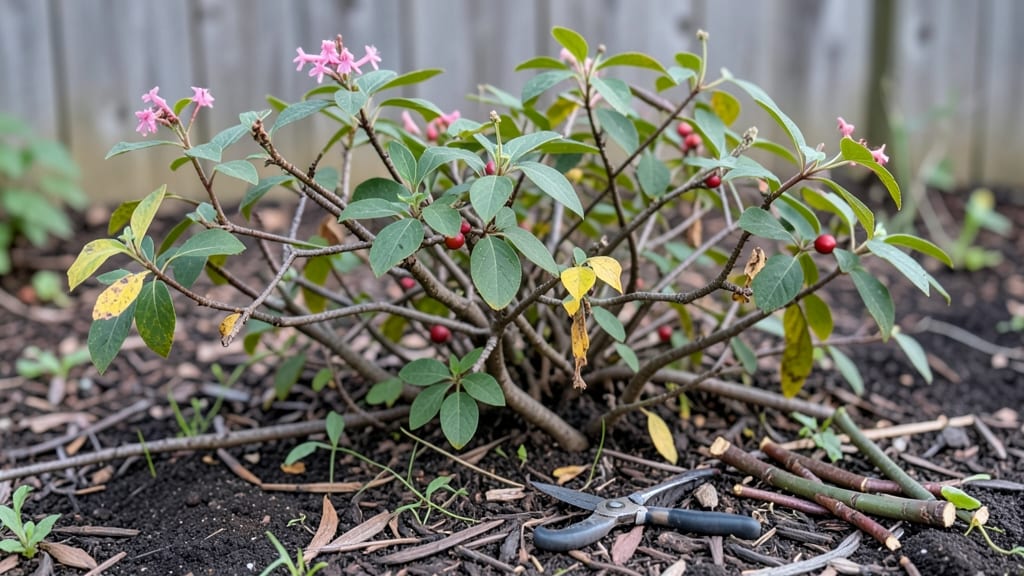
Pruning honeysuckle shrubs unlocks their full potential—thicker growth, more blooms, and a shape that turns heads in your yard. 🌿 I’ve spent years wrestling with overgrown honeysuckle, and the difference between a tangled mess and a lush, flowering beauty comes down to timing, technique, and a sharp pair of shears.
The right cuts encourage new growth while keeping the plant healthy, and I’ll show you exactly how to do it without stressing the plant or yourself.
You’ll need just three things: clean pruning shears, a small rake for cleanup, and a clear morning to work—when the plant is hydrated and the light reveals dead wood.
The key is cutting at a 45-degree angle just above a leaf node or bud, which directs energy where you want it. Most pruning happens in late winter or early spring, but you can do light maintenance anytime the plant looks unruly.
This method works for both native shrubs and cultivated varieties, so no matter what type you have, you’re covered.
After pruning, your honeysuckle will reward you with vibrant new growth within weeks, and those fragrant summer blooms will be even more abundant. The plant stays compact, resists disease better, and produces stronger stems for next year’s flowers.
Plus, you’ll avoid the heartbreak of seeing a once-beautiful shrub turn into a tangled, unmanageable mess. Trust me, your future self will thank you when you’re surrounded by lush, blooming branches instead of a jungle.
This approach works for honeysuckle in any climate, whether you’re dealing with the hardy native types or the more delicate varieties. Once you master the basics, you’ll see how pruning transforms a shrub from a maintenance nightmare into a low-effort, high-reward addition to your landscape.
Let’s get those shears ready and turn your honeysuckle into the star of your garden!
📚 In This Guide
- What you need
- Instructions
- Tips and common mistakes
- Wrapping up and next steps
What you need
- ● Sharp bypass pruners – Choose high-quality, bypass-style pruners (like Felco or Fiskars) for clean cuts. Size: 7-9 inches, with ergonomic handles for comfort.
- ● Loppers – For thicker branches (½ inch to 1½ inches in diameter). Specs: Long handles (24-30 inches) for leverage.
- ● Pruning saw – For stubborn, woody stems (1½+ inches thick). Type: Curved blade for precision.
- ● Gloves – Heavy-duty, cut-resistant gloves (like Mechanix or garden-specific brands) to protect against thorns and sap.
- ● Ladder or step stool – If your honeysuckle is taller than 6 feet. Safety tip: Use a stable, non-slip model with a harness if needed.
- ● Disinfectant (rubbing alcohol or 10% bleach solution) – Wipe tools between cuts to prevent disease spread.
- ● Sealing wax or pruning paste – Apply to large cuts to protect against pests and rot.
- ● Trash bags or bucket – For collecting pruned branches (check local regulations for disposal).
- ● Safety glasses – To shield eyes from debris, especially when using a saw.
- ● Weather check – Prune on a dry, overcast day or early morning to reduce stress on the plant.
- ● Safety first – Wear long sleeves/pants to avoid thorns and sap irritation.
- ● Plan your cuts – Sketch a rough outline of your desired shape before starting.
Step-by-Step guide to pruning honeysuckle shrubs
Revitalize your honeysuckle with these simple, seasonal pruning techniques that keep it lush and blooming all year.
✂️ Step 1: Prune in Late Winter or Early Spring
Start your pruning when the plant is still dormant but just before new growth begins, usually in late February or early March. This timing ensures you remove dead or weak wood while leaving healthy buds intact for the growing season. I always grab my hand pruners and bypass pruners—the sharp edges make clean cuts that heal faster.
Focus on removing any dead, diseased, or crossing branches first. These are easy to spot—they’re brown, brittle, or rubbing against other stems. Cut back to a healthy bud or branch junction, angling the cut slightly above it. This encourages new growth in the right direction. If you see any suckers growing from the base, snip them off too—they drain energy from your main plant.
✂️ Step 2: Shape the Shrub in Early Summer
After the first flush of blooms, typically in June or early July, it’s time to shape the honeysuckle. This step keeps it compact and encourages more flowers. I like to step back and look at the plant as a whole—imagine a balanced, rounded shape. Use your hand pruners to trim back any overgrown branches by about one-third of their length.
Pay special attention to branches that are growing inward or rubbing against each other. These compete for sunlight and can weaken the plant. Cut them back to an outward-facing bud or branch. Avoid heavy pruning now—you don’t want to remove too many blooms, as honeysuckle flowers on old wood. Just a light touch keeps it tidy without sacrificing next year’s flowers.
✂️ Step 3: Light Maintenance in Late Summer
In August or September, give your honeysuckle a quick check for any straggly growth or branches that have outgrown their space. This is more about tidying up than major pruning. Grab your hand pruners again and trim back any leggy stems that are spoiling the shape. You’ll notice these as long, thin branches with sparse leaves.
This is also the time to remove any spent flower clusters that haven’t dropped naturally. Use your fingers or small pruners to pinch them off at the base. It might seem counterintuitive—after all, flowers are the point—but removing them redirects the plant’s energy toward root and stem growth, which sets it up for a stronger next season. Think of it as giving your honeysuckle a little extra boost before winter.
✂️ Step 4: Clean Up in Late Fall or Early Winter
Once the leaves have fallen and the plant is fully dormant, usually in November or December, do a final cleanup. This is your chance to remove any remaining dead wood, weak branches, or anything that looks less than perfect. I like to use my bypass pruners for any larger branches and hand pruners for finer trimming.
As you prune, keep an eye out for any signs of pests or disease—now’s the time to address them before they resurface in spring. Rake up and dispose of all the pruned branches to keep your garden tidy and reduce the risk of spreading disease. A light layer of mulch around the base helps protect the roots over winter, so I spread about 2-3 inches of it after pruning. This keeps the soil insulated and moist, giving your honeysuckle the best possible start when spring arrives.
Tips & tricks for perfect honeysuckle pruning
Here's what I've learned after years of pruning honeysuckle—these little tricks make all the difference between a healthy shrub and one that struggles to bloom.
Timing is Everything: Those late February/early March dates for Step 1 aren't arbitrary—they're when honeysuckle is most resilient. Prune too early and you risk damaging emerging buds; wait too long and you'll encourage rampant new growth that won't have time to harden off before winter. I mark my calendar with frost dates as a guide—prune 2-3 weeks before your last expected frost.
Cutting Technique Matters: When you're making those angled cuts in Step 1, aim for just above a healthy bud that faces outward. This creates the perfect growth pattern—new shoots will emerge facing away from the center, preventing that crowded look. I like to make my cuts at a 45-degree angle about 1/4 inch above the bud. This small detail makes a huge difference in how your shrub fills out over time.
Seasonal Adjustments: In Step 3 when you're doing light maintenance, don't just focus on the branches—check the leaves too. Yellowing leaves on otherwise healthy branches can indicate stress. If you see this, it's often better to leave the branch alone and focus on improving soil conditions with mulch instead of pruning. Healthy foliage means more energy for flowering next season.
Equipment Upgrade: While hand pruners work fine, I've found that adding a pair of loppers for thicker branches makes the late winter cleanup in Step 4 so much easier. The bypass blades give you cleaner cuts on those larger stems, and they reduce hand fatigue when you're tackling multiple shrubs. Just be sure to sterilize your tools with rubbing alcohol between cuts to prevent spreading disease.
Pro Tips for Prune Honeysuckle Shrub
- Here's what I've learned after years of pruning honeysuckle—these little tricks make all the difference between a healthy shrub and one that struggles to bloom.
- Timing is Everything: Those late February/early March dates for Step 1 aren't arbitrary—they're when honeysuckle is most resilient.
- Cutting Technique Matters: When you're making those angled cuts in Step 1, aim for just above a healthy bud that faces outward.
Frequently asked questions
Got questions about pruning honeysuckle shrubs? You’re not alone! Here are answers to the most common concerns—from timing to tools—to help you prune like a pro.
When is the best time to prune honeysuckle?
The ideal time to prune honeysuckle is late winter or early spring before new growth begins. For light shaping, prune after flowering in summer. Avoid heavy pruning in fall, as it can stimulate tender new growth that may not survive winter.
Do I need special tools for pruning honeysuckle?
You’ll need sharp bypass pruners for small stems and loppers for thicker branches. A pruning saw may be useful for very large shrubs. Always clean your tools with rubbing alcohol to prevent spreading disease between cuts.
What if I prune too much? Can honeysuckle recover?
Honeysuckle is resilient! While it’s best to avoid over-pruning, the shrub can bounce back with proper care. Focus on removing no more than one-third of the plant’s foliage in a single session. Water deeply and fertilize lightly to support regrowth.
Will pruning affect honeysuckle’s flowers or scent?
Pruning after flowering (late summer) won’t harm blooms, but avoid cutting back into old wood if you want more flowers. For fragrant varieties, prune lightly to preserve the plant’s natural scent—over-pruning can reduce floral production.
Can I turn honeysuckle into a small tree instead of a shrub?
Yes! Select a strong central stem and remove competing branches to create a trunk. Prune lower branches to form a clear trunk, then shape the canopy like you would a tree. It may take a few years, but honeysuckle adapts well to this style.
Wrapping up and next steps
Pruning your honeysuckle shrubs doesn’t have to be intimidating—with the right tools, timing, and technique, you’ll keep them lush, blooming, and healthy all year long! 🌿 Whether you’re shaping for aesthetics or encouraging vigorous growth, remember that consistency is key.
Start small, observe your plant’s response, and soon you’ll have a thriving honeysuckle that’s the envy of the neighborhood.
Now that you’re armed with expert tips, grab those shears and give your shrubs the care they deserve. Next up? Watch them flourish—and maybe even share your newfound pruning prowess with fellow gardening friends! 🌸