
Pruning
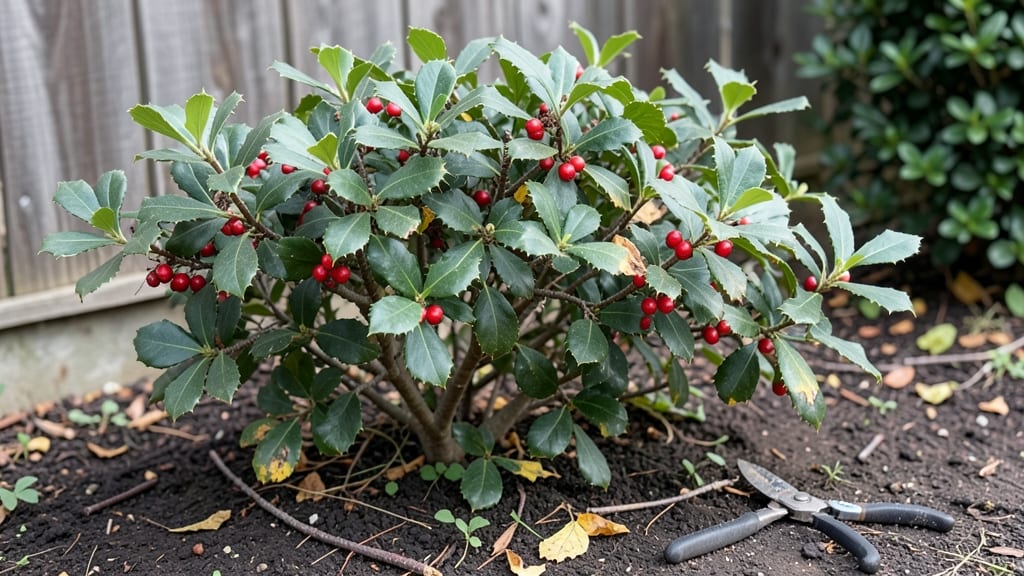
Pruning a holly shrub isn't just about shaping—it's about unlocking healthy growth that keeps your plant thriving for decades. 🌿 I've watched holly bushes go from scraggly to showstopping in just one season, and the secret lies in timing, technique, and knowing when to stop.
Most gardeners overdo it, but holly responds best to gentle, strategic cuts that encourage dense foliage and those signature berries.
The best time to prune is late winter or early spring, before new growth starts, but you can do light shaping anytime. You'll need sharp pruners, gloves (holly spines are no joke), and a clear vision of your shrub's natural shape.
The goal is to remove dead or crossing branches first, then thin out the interior to let light reach the center—this is what turns a holly from a lanky mess into a lush, bushy powerhouse.
What you'll end up with is a holly that looks like it belongs in a botanical garden, not your backyard. The new growth will be vibrant, the berries will stay plentiful, and your shrub will finally stop looking like it's fighting for its life.
The key is patience—holly grows slowly, so don't rush it. With the right cuts, you'll see thicker foliage and more berries within just a few seasons.
This method works for both male and female varieties, though berry-bearing females need extra care to keep their fruit production going.
Whether you're dealing with a mature holly that's gotten out of hand or a young one you want to shape early, these techniques will keep it healthy and stunning year after year.
📚 In This Guide
- What you need
- Instructions
- Tips and common mistakes
- Wrapping up and next steps
What you need
- ● Pruning shears: Bypass pruners (sharp, 5-7 inch blades) for clean cuts on small stems (1/4–3/4 inch thick). Invest in high-quality stainless steel to prevent rust.
- ● Loppers: Bypass or anvil type (8–12 inch handles) for thicker branches (3/4–2 inches in diameter). Look for ratcheting models for extra leverage.
- ● Pruning saw: Curved-tooth hand saw for branches over 2 inches thick. A foldable design saves space in your toolkit.
- ● Gloves: Heavy-duty gardening gloves (leather or reinforced fabric) to protect against thorns and sap.
- ● Disinfectant: 70% isopropyl alcohol or a pruning sealer (e.g., Tanglefoot Pruning Seal) to sterilize tools between cuts and prevent disease.
- ● Ladder or step stool: Lightweight aluminum ladder (6–8 ft tall) or a stable stool for reaching higher branches. Never stand on wobbly surfaces!
- ● Trash bag or bucket: A 10–20 gallon contractor bag for collecting pruned branches.
- ● Hand pruners: Compact bypass pruners (for precise trimming on the go).
- ● Extension pole saw: For high branches (15+ ft), reducing the need for a ladder.
- ● Pruning paint: Latex-based sealant (e.g., Tree Seal Tape) to cover large cuts and protect against pests.
- ● Notebook & pen: To sketch your holly’s shape before pruning—helps visualize cuts!
- ● Safety glasses: Protect your eyes from debris, especially when using a saw.
- ● Weather check: Prune on a dry, overcast day or in the early morning to avoid stressing the plant.
- ● Safety first: Wear closed-toe shoes and avoid loose clothing that could snag on thorns.
- ● Know your holly: Identify if it’s a male or female plant (females produce berries!). Pruning needs vary slightly.
- ● Clean workspace: Lay down mulch or cardboard to catch fallen leaves and debris.
Step-by-Step instructions for pruning a holly shrub
Keep your holly lush and vibrant with this simple, year-round pruning routine.
✂️ Step 1: Prune Lightly After Flowering in Late Spring
This is the best time to shape your holly—right after the flowers fade but before new growth hardens. Holly blooms in late spring, so aim for May or early June when you see spent blossoms but no new berries yet. Cut back any branches that rub together or grow inward to prevent disease and improve airflow.
Use clean, sharp pruners to make cuts just above a leaf bud or side branch. Avoid cutting into old wood—holly responds poorly to heavy pruning. I like to step back every few cuts to check the overall shape. If a branch looks too leggy, trim it back to a strong lateral branch.
✂️ Step 2: Thin Out Dense Growth in Early Summer
Around July, holly may develop thick, crowded areas where light can’t penetrate. This is when I focus on thinning—not just trimming the ends. Look for branches growing straight up or crossing others and remove them entirely at the base. Holly tolerates this better than most shrubs because it’s naturally dense.
Don’t remove more than 25% of the plant’s foliage in one session. You’ll know you’re doing it right when you can see light filtering through the center. Thin branches encourage fuller growth and prevent the classic "holly top" where the center becomes bare.
✂️ Step 3: Light Maintenance Pruning in Fall
In September or October, holly’s growth slows, making it safe for minor adjustments. Remove any dead, diseased, or damaged branches first—cut them back to healthy wood. Then, trim just the tips of branches that look overgrown to maintain the shape you’ve established.
This is also the time to clean up any branches that produce sparse or poor-quality berries. Holly berries are its signature feature, so prioritize branches that consistently bear well. Avoid heavy pruning now—the plant needs to harden off for winter.
✂️ Step 4: Minimal Winter Pruning for Shape Refresh
If your holly looks unkempt by late winter (February), do a quick shape refresh. Holly is dormant, so it won’t bleed sap like maples or birches. Focus on tidying up any rough edges or branches that grew too long over winter. Just trim back to a natural branch or bud.
Never prune into old wood in winter—holly struggles to regrow from severe cuts. Instead, use this time to plan your spring shaping. A light touch now prevents over-pruning later. You’ll see fresh, healthy growth in spring if you keep cuts minimal.
✂️ Step 5: Clean Up and Sanitize Tools
After every pruning session, wipe your pruners with rubbing alcohol or a bleach solution to prevent spreading disease. Holly is generally tough, but fungal spores can linger on tools. I also remove all fallen leaves and debris from under the shrub—this reduces pests and diseases that thrive in wet, decaying matter.
Store your pruners in a dry place until next time. Healthy holly starts with clean tools and a clear plan. Follow these steps year-round, and your shrub will stay full, vibrant, and full of berries for seasons to come.
Tips & tricks for pruning a holly shrub like a pro
Your holly's health depends on timing and technique—here are the secrets to keep it thriving year after year.
Timing is Everything: The late spring pruning in Step 1 (May or early June) is critical because that's when holly flowers fade but berries haven't formed yet. I've learned the hard way that pruning too early removes potential berry-producing branches, while waiting too long risks cutting into new growth that won't harden properly. Mark your calendar—this window is your golden opportunity!
The 25% Rule: In Step 2 when thinning dense growth in July, never remove more than 25% of the foliage in one session. Holly is tough but not invincible—over-pruning stresses the plant and can lead to sparse growth or even death. Think of it like giving your shrub a haircut: you want to shape it, not shave it.
Berries First: When you're cleaning up in Step 3 (fall), always prioritize branches that produce the best berries. I've noticed that some branches consistently bear larger, healthier berries while others produce sparse or poor-quality fruit. Focus your maintenance on these productive branches to maximize your holly's signature feature.
Tool Care Matters: The final step about sanitizing tools isn't just about disease prevention—it's about giving your holly the best chance to thrive. I've seen fungal infections spread quickly through neglected pruners. Keep a small bottle of rubbing alcohol in your gardening toolkit and wipe your pruners after every use. Your holly will thank you with healthier growth next season!
Pro Tips for Prune A Holly Shrub
- Your holly's health depends on timing and technique—here are the secrets to keep it thriving year after year.
- Timing is Everything: The late spring pruning in Step 1 (May or early June) is critical because that's when holly flowers fade but berries haven't formed yet.
- The 25% Rule: In Step 2 when thinning dense growth in July, never remove more than 25% of the foliage in one session.
Frequently asked questions
Got questions about pruning your holly shrub? You’re not alone! Here are some of the most common queries—and straightforward answers—to help you prune like a pro.
When is the best time to prune a holly shrub?
The ideal time to prune holly is late winter or early spring (just before new growth starts). Avoid pruning in fall, as it can stimulate tender new growth that may be damaged by frost. If you must prune in summer, do so after flowering to protect next year’s berries.
Can I prune a holly shrub too much?
Yes! Holly shrubs are sensitive to over-pruning. Never remove more than 25-30% of the plant’s foliage in one season. Heavy pruning can stress the shrub, reduce flowering, and even kill it. When in doubt, prune lightly and gradually over a few years.
Will pruning affect my holly’s berries?
Pruning after flowering (late spring/summer) won’t harm berry production. However, if you prune before flowers appear (winter/early spring), you may reduce next year’s berries. To keep berries thriving, avoid cutting back female holly branches (the ones that produce berries) more than necessary.
What if my holly looks leggy after pruning?
Leggy growth is normal if you prune too late or too aggressively. To fix it, prune back to a healthy bud or branch (never to bare wood). Next year, focus on light shaping and fertilizing to encourage bushier growth. Mulch well and water deeply to help recovery.
Can I prune a holly shrub into a specific shape, like a hedge?
Holly shrubs respond well to formal shaping if done correctly. Use hand pruners for detail work and hedge shears for larger areas. Prune after flowering and every 4-6 weeks in the growing season to maintain shape. Just avoid cutting into old wood—holly struggles to regrow from there.
Wrapping up and next steps
Pruning your holly shrub doesn’t have to be intimidating—with the right timing, tools, and technique, you’ll keep it lush, healthy, and stunning year after year! 🌿 Whether you’re shaping for symmetry or encouraging new growth, remember that patience and precision are key.
Now that you’re armed with these secrets, grab your pruners and give your holly the care it deserves.
Ready to take it further? Plan your next pruning session and watch your holly thrive even more! 🌟 Happy pruning!