
Shrubs
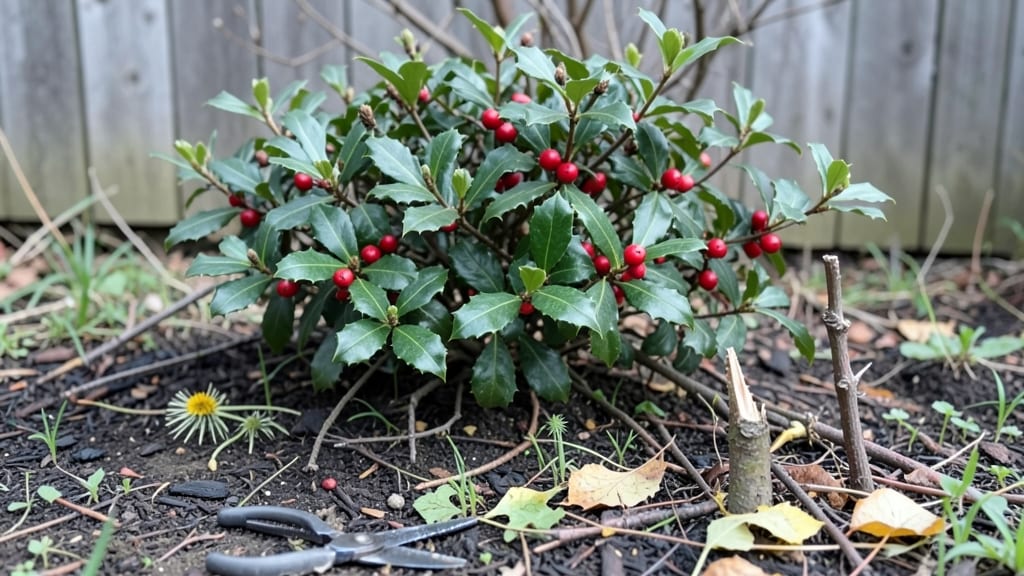
Pruning holly shrubs at the right time sets the stage for healthier growth and stunning berries 🌿—and late winter is when it all begins.
Pruning holly shrubs at the wrong time can stunt growth, reduce berry production, or even harm the plant—so timing is everything. Discover the exact late-winter window that ensures stronger stems, lush foliage, and vibrant berries next season.
Most gardeners wait until spring, but holly thrives when pruned during dormancy, between February and March, before buds swell. This critical window lets you shape your shrub without stressing it, while also preventing disease and pests that love fresh cuts.
Whether you have English holly or American holly, I’ll break down the best tools, cuts, and regional tweaks to keep your holly shrubs flourishing year after year.
Why late winter is the optimal time to prune holly shrubs
Holly shrubs (Ilex spp.) thrive when pruned during their dormant season, a period when growth naturally slows. Late winter—typically February to early March—offers the perfect window because the plant has no active foliage or flowers, making it easier to assess structure and remove dead wood.
This timing aligns with the shrub’s natural growth cycle, ensuring minimal stress and maximum recovery by spring.
Pruning during dormancy also reduces disease risk since open wounds heal faster in cooler temperatures. Additionally, late winter pruning stimulates new growth as temperatures rise, leading to denser foliage and more vibrant berries.
Skipping this step or pruning at the wrong time can weaken the shrub or even kill it, especially if you cut into old wood that won’t regenerate.
Science backs this timing too. Holly shrubs store energy in their roots and stems during winter. Pruning in late winter taps into these reserves without depleting them, unlike spring pruning, which can overwhelm the plant when it’s already focusing on new leaf and berry production.
The key is to prune after the last hard frost but before buds swell, a window that varies slightly by USDA zone.
Regional adjustments matter. In colder climates (Zones 3–6), late winter might mean waiting until March to avoid frost damage. In milder zones (7–10)January, but avoid pruning too soon—holly shrubs in warm climates may break dormancy prematurely, leading to weak growth.
Always check local frost dates to time your pruning perfectly.
Why spring pruning fails is simple: holly shrubs produce berries on old wood, meaning any cuts made after flowering can remove next year’s berries. Spring pruning also stresses the plant by disrupting its energy allocation between new leaves and berries. Late winter pruning, however, preserves berry production while encouraging a stronger framework for the coming season.
| Factor | Late Winter Pruning Benefit | Risk of Wrong Timing |
|---|---|---|
| Dormancy Status | Plant conserves energy; wounds heal faster | Stress from active growth; slower recovery |
| Temperature Range | 30–50°F (ideal for clean cuts) | Frost damage or premature bud swell |
| Berry Production | Preserves old wood for next year’s berries | Removes potential berry-bearing branches |
| Disease Prevention | Minimal fungal risk in dry winter air | Wet spring conditions increase infections |
| Growth Stimulation | Encourages dense spring foliage | Weak, sparse growth from over-pruning |
Aligning your pruning with the holly’s natural cycle isn’t just about timing—it’s about respecting the plant’s biology. Holly shrubs grow slowly, and aggressive pruning can stunt their development for years.
Late winter pruning removes only 10–30% of the plant’s volume, a rule that ensures the shrub retains enough leaf surface area for photosynthesis.
This approach also maintains the shrub’s shape while encouraging upward growth, which is critical for varieties like English holly (Ilex aquifolium) that can grow tall and leggy without proper pruning.
For male and female holly shrubs, late winter pruning is especially important. Female plants rely on old wood for berries, so any cuts made after flowering can eliminate next season’s fruit. Male plants, which produce pollen, benefit from pruning to maintain open canopies that improve pollination efficiency.
If you’re growing holly for ornamental berries, late winter is the only safe time to prune without risking your harvest.
One common mistake is pruning too late in winter, when buds begin to swell. This signals the plant to start growing, but if a late frost hits, new growth can freeze and die.
Always check your local last frost date and prune at least 2–3 weeks before to avoid this risk. For example, in Zone 5, aim to finish pruning by mid-March, while in Zone 8, you might prune as early as January.
Finally, late winter pruning sets the stage for a healthier, more productive holly shrub. By removing dead, diseased, or crossing branches, you improve air circulation and reduce pests. The result?
A lush, vibrant shrub with stronger stems and more abundant berries—all because you pruned at the right time. Think of it as giving your holly a fresh start before the growing season kicks into high gear.
Step-by-step late winter pruning guide for holly shrubs
Pruning your holly shrubs (Ilex spp.) in late winter is the key to unlocking vibrant berries and dense foliage next season. This is when the plant is dormant but preparing to grow, making it the perfect time to shape without stressing the shrub.
If you prune at the wrong time—like during berry production or active growth—you risk stunting new shoots or reducing fruit yield. Let’s dive into the precise steps to prune holly shrubs like a pro.
Before grabbing your shears, know that late winter means after the hardest frost has passed but before buds swell. This window typically falls in February or March, depending on your USDA zone.
For example, in Zone 6, aim for mid-February, while Zone 8 gardeners can wait until early March. The goal is to encourage new growth while avoiding old wood, which won’t regenerate.
One common mistake is pruning too aggressively, which can shock the shrub. Limit yourself to removing no more than 25% of the foliage in a single session. Another pitfall is cutting into old wood—this won’t sprout new branches and can leave unsightly stubs.
Always make cuts at a 45-degree angle, about 1/4 inch above a bud, to encourage outward growth.
For male and female holly varieties, timing matters even more. Female plants need male pollinators nearby for berries, so avoid heavy pruning that removes flowering branches. If your holly isn’t producing berries, check if you have both sexes in your landscape.
Pruning male holly shrubs is simpler—they don’t bear fruit, so focus on shaping for balanced growth.
After pruning, your holly will reward you with lush new foliage and bright red berries by late summer. For best results, apply a balanced fertilizer (like 10-10-10) in early spring to fuel growth.
Water deeply after pruning to help the shrub recover, and monitor for pests or disease in the weeks following.