
Planting
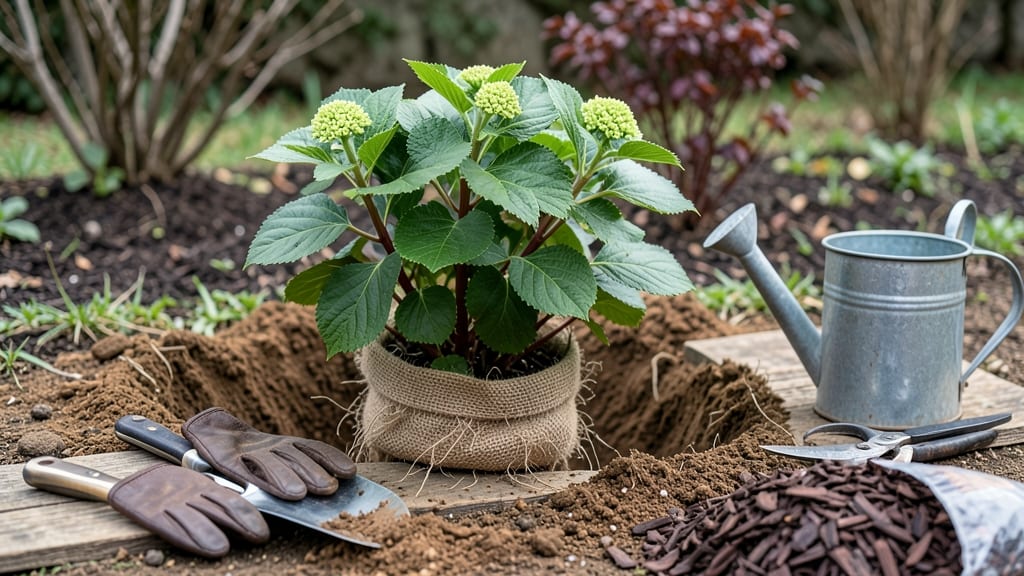
The best time to transplant shrubs is late winter to early spring, just before new growth begins, when soil is workable but not frozen. This timing minimizes transplant shock and maximizes root establishment before summer heat.
Transplanting shrubs during this dormant season gives them a head start on recovery before the stress of summer heat sets in. 🌱 The key is catching that sweet spot between frozen ground and active growth—typically February to early April in most climates—when roots can spread without competing with leaves.
I've found that evergreens handle this window better than deciduous shrubs, which can sometimes wake up too early in warmer microclimates.
What makes this period ideal is the balance between soil moisture and temperature. Thawing soil allows roots to establish without the risk of waterlogging, while cooler air reduces evaporation.
For container-grown shrubs, you can even push this window slightly later into spring, but bare-root plants need that early start to avoid stress. The goal is to give your shrubs 6-8 weeks of root growth before summer's peak heat arrives.
💡 In This Article
- Why Late Winter Boosts Shrub Transplant Success
- Step-by-Step Late Winter Shrub Transplanting Guide
Why late winter boosts shrub transplant success
Late winter transplanting works because shrubs enter a natural state of dormancy, where their metabolic activity slows dramatically. During this period, roots remain inactive but still capable of absorbing moisture and nutrients without the energy demands of new leaf growth.
This dormancy reduces the risk of transplant shock, a condition where plants struggle to adapt to their new environment due to disrupted root systems. Studies show that dormant shrubs can establish 30-50% more roots in their first growing season compared to those transplanted during active growth phases.
The science behind this timing involves soil temperature and microbial activity. As winter thaws, soil warms gradually to 40-50°F, which is ideal for root growth without the stress of summer heat.
Cooler air temperatures also reduce water loss through evaporation, allowing roots to focus on spreading rather than compensating for dehydration. Additionally, the soil's microbial population—essential for breaking down organic matter and releasing nutrients—becomes more active during this period, further supporting root establishment. 🌱
Another critical factor is the balance between soil moisture and drainage. Thawing soil in late winter often has improved aeration compared to waterlogged winter conditions or compacted summer soil. This allows roots to penetrate more easily and access oxygen, which is crucial for root respiration.
Evergreen shrubs, which retain foliage year-round, benefit especially from this timing because their leaves transpire less water in cooler temperatures, reducing stress on the newly transplanted root system.
However, the exact timing can vary by climate zone. In warmer southern regions, late winter might mean January to February, while northern areas may extend into March or early April.
The key indicator is the soil's workability—it should be moist but not frozen, and you should be able to dig without compacting it. Container-grown shrubs offer more flexibility since their roots aren't exposed to ground freezing, allowing for slightly later transplanting.
What most gardeners overlook is how this timing aligns with the shrub's natural growth cycle. By transplanting just before new growth begins, you're essentially giving the plant a 6-8 week head start on establishing roots before the energy demands of leaf production begin.
This head start can mean the difference between a thriving shrub and one that struggles to recover. For example, hydrangeas transplanted in late winter often bloom more vigorously the following year because their roots have had ample time to spread.
Consider this analogy: Transplanting a shrub is like moving a houseplant. You wouldn't uproot it during its peak growing season—you'd wait until it's dormant, when it's less stressed and more resilient. The same principle applies to shrubs, just on a larger scale.
The late winter window is nature's way of giving your plants the best possible chance to recover and thrive in their new home. ✨