
How To
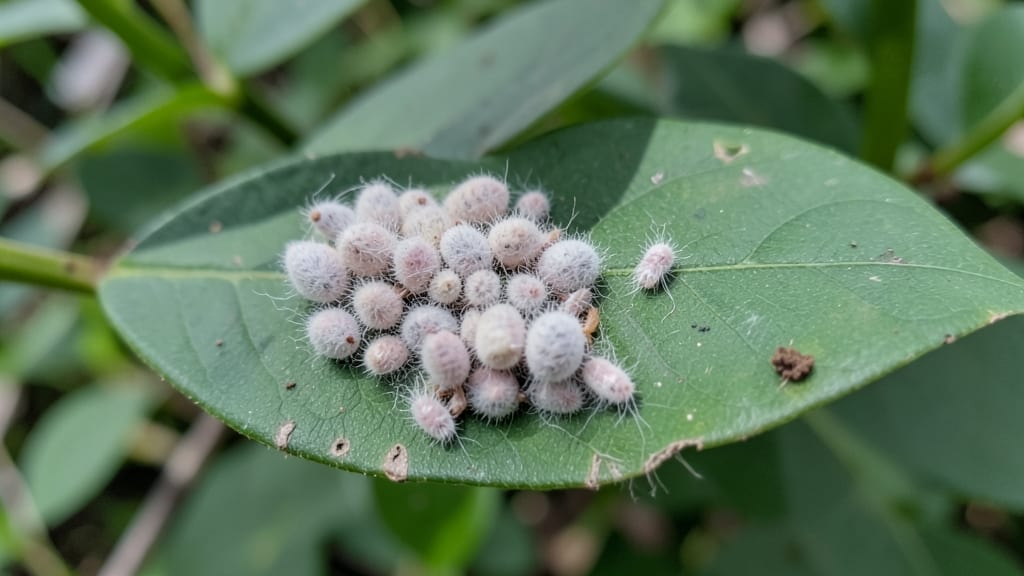
Controlling mealybugs on outdoor shrubs starts with a fast, targeted approach—because these fluffy white pests multiply like crazy when you ignore them. ✨ I learned the hard way when my azaleas turned sticky and lost all their blooms after just two weeks of infestation.
The good news? Neem oil spray works within 3-5 days if you hit them early, and it’s safer than chemical pesticides for your plants (and the pollinators visiting them).
Mealybugs thrive in dry, sheltered spots, like the undersides of leaves or where branches meet the trunk. They suck sap, leaving behind a sticky residue that attracts ants—and if you’ve ever tried scrubbing that gunk off leaves, you know it’s a losing battle.
The key to stopping them fast is neem oil, which disrupts their life cycle while being gentle enough for most shrubs. You’ll need 1 tablespoon of neem oil, 1 teaspoon of mild liquid soap, and 1 quart of water—that’s it.
No fancy equipment, just elbow grease and timing.
Within a week of consistent spraying, you’ll see new growth pushing out, free of those cottony clumps. The shrubs rebound faster than you’d expect, and the neem oil even adds a bonus layer of protection against future pests.
The trick is reapplying every 5-7 days until the bugs are gone—because mealybugs are stubborn, but they’re no match for persistence. Once you’ve got them under control, focus on keeping your shrubs healthy to prevent reinfestation.
This method works for roses, hibiscus, boxwoods, and even citrus trees—basically any shrub mealybugs love to target. The only catch? Avoid spraying when temperatures hit above 90°F, or the neem oil can burn the leaves.
For cooler climates or early-season treatments, this is your best bet for fast, chemical-free results without sacrificing plant health. Let’s get those shrubs sparkling clean again.
Root Causes of Mealybug Infestations
Mealybugs may seem like a random nuisance, but these tiny, cottony pests thrive due to specific conditions—often tied to plant health, environmental factors, or even human habits.
Understanding why they appear on your outdoor shrubs is the first step to preventing and controlling them. Let’s break down the key reasons behind these sticky invaders.
Mealybugs are opportunistic pests—they target stressed or weakened plants because these plants can’t fight back effectively. Here’s why your shrubs might be vulnerable:
- Poor Nutrition 🌱 Shrubs lacking essential nutrients (like nitrogen, phosphorus, or potassium) produce weaker sap, making them easier targets. Over-fertilization with high-nitrogen products can also attract pests by promoting rapid, tender growth.
- Drought or Overwatering 💦 Both extremes stress plants. Drought weakens roots, reducing the plant’s ability to produce protective compounds. Overwatering leads to root rot, suffocating roots and making the plant more susceptible to infestations.
- Physical Damage ⚔️ Pruning cuts, harsh winds, or animal bites create entry points for mealybugs. These pests exploit wounds to feed on exposed sap, accelerating their spread.
Mealybugs love warm, humid climates—think of them as tropical pests that thrive in cozy, sheltered spots. Here’s how your garden might be creating their perfect habitat:
- High Humidity 🌫️ Mealybugs thrive in 60–80% humidity because it slows down natural predators (like ladybugs) and keeps their waxy coating from drying out. Greenhouses, dense foliage, or shaded areas trap moisture, creating ideal breeding grounds.
- Poor Air Circulation 🌀 Stagnant air prevents beneficial insects (e.g., parasitic wasps) from patrolling your shrubs. Tightly packed shrubs or containers without airflow gaps become mealybug hotspots.
- Mild Winters ❄️ In colder climates, mealybugs often survive winter by hiding in cracks, mulch, or plant debris. If your area has mild winters, they may linger year-round, multiplying faster in spring.
Sometimes, well-meaning gardening practices accidentally encourage mealybugs. Here’s how:
- Overuse of Broad-Spectrum Pesticides 🚫🐞 Chemicals like synthetic pyrethroids kill beneficial insects (e.g., lacewings, predatory mites) that naturally control mealybugs. Without these predators, mealybug populations explode.
- Propagating Infested Plants 🌿 If you graft, cuttings, or repot plants without inspecting them first, you might unknowingly spread mealybugs. These pests hide in leaf axils or stems, hitching rides to new shrubs.
- Ignoring Plant Debris 🗑️ Leaving fallen leaves, spent blooms, or old mulch near shrubs provides hiding spots for mealybugs. They overwinter in these materials, emerging stronger in spring.
Mealybugs don’t attack plants randomly—they target specific species that offer easy access to sap. Common outdoor shrubs they adore include:
- Citrus trees (their favorite!)
- Rosemary, lavender, and boxwood
- Hibiscus, oleander, and gardenias
- Weak or newly planted shrubs
If your garden has these plants, regular inspections (especially under leaves and in crevices) are a must.
Mealybugs don’t just appear—they travel. Here’s how they infiltrate your garden: - New Plants 🛒: Infested nursery plants are the #1 way mealybugs spread.
Always quarantine new additions for 2 weeks. - Wind or Wildlife 🦋: Ants (which farm mealybugs for honeydew) or bees can carry them to your shrubs. - Gardening Tools 🔪: Pruners, shears, or gloves contaminated with mealybugs can transfer them to healthy plants.
Mealybugs exploit weakness, shelter, and neglect. By addressing plant health, airflow, and cleanliness, you remove their advantages—and make your shrubs far less appealing targets. The next step? Acting fast with natural controls like neem oil before they take over!
Quick Fixes for Mealybug Mayhem
Mealybugs may seem like a tough nut to crack, but with the right approach, you can reclaim your shrubs in no time. Below are targeted solutions based on the root causes—whether it’s overcrowded plants, poor drainage, or a lack of natural predators.
Each fix is designed to be effective, eco-friendly, and easy to implement, even for beginners.
Mealybugs thrive where plants are weak or competing for resources. Open up airflow and reduce stress to make your shrubs less appealing to these pests.
- 🍳 Trim Back Dense Foliage Use clean, sharp pruners to remove 20-30% of the bush, focusing on inner branches where humidity lingers. Dispose of heavily infested clippings in a sealed bag (not the compost!).
- 👨🍳 Space Plants Properly Ensure shrubs have at least 2–3 feet of clearance between them. This reduces humidity and makes it harder for mealybugs to spread via crawling or wind.
- 🥘 Boost Plant Health Feed your shrubs with a balanced, slow-release fertilizer (like 10-10-10) in early spring. Healthy plants resist pests better than stressed ones.
💡 Pro Tip: If pruning reveals honeydew buildup (sticky residue), wipe it off with a damp cloth—this attracts ants, which love mealybugs and will protect them!
Mealybugs adore moist, sheltered spots. If your soil stays soggy or you’re watering too often, it’s an open invitation for them.
- ⏰ Water Wisely Only water when the top 1–2 inches of soil are dry. Use a soaker hose or drip irrigation to avoid wetting leaves (which traps moisture). Water in the early morning so foliage dries quickly.
- 🔪 Improve Soil Drainage Amend heavy or compacted soil with perlite, sand, or compost to create airflow. For potted shrubs, ensure pots have drainage holes and use a well-draining mix.
- 🌿 Mulch Strategically Apply 2–3 inches of organic mulch (like wood chips) around the base of shrubs—but keep it 2 inches away from the stem to prevent rot and fungal issues.
💡 Pro Tip: If your shrubs are in containers, elevate them on pot feet or use cache pots to prevent waterlogging.
Mealybugs have few natural enemies in most gardens, but you can encourage beneficial insects to do the work for you.
- 🐞 Ladybugs and Lacewings Purchase eggs or adults from garden centers and release them near infested areas. These predators devour mealybugs and their eggs.
- 🕷️ Parasitic Wasps (Like Anagyrus pseudococci) These tiny wasps lay eggs inside mealybugs, killing them naturally. Order them online or find them in garden supply stores.
- 🐸 Birds and Frogs Install a small birdbath or frog-friendly pond nearby. Birds peck at mealybugs, while frogs snack on them too.
💡 Pro Tip: Avoid broad-spectrum pesticides—they kill beneficial insects too! Stick to targeted treatments like neem oil or insecticidal soap.
If mealybugs have taken over, you’ll need a two-pronged attack: kill the bugs and prevent reinfestation.
🔥 Step 1: Manual Removal (For Small Patches)
- 👨🍳 Wipe Them Off Dampen a soft cloth or cotton swab with rubbing alcohol (70% isopropyl) and gently dab each mealybug. They’ll dissolve instantly.
- 🔪 Prune Infested Branches Cut off heavily infected stems and sterilize pruners with rubbing alcohol between cuts.
🥘 Step 2: Spray Treatment (For Large Areas)
Use neem oil spray (as mentioned in the article title!) for a fast, natural kill.
Here’s how:
- Mix 1 tsp neem oil + 1 tsp mild soap (like Castile) per quart of water.
- Spray thoroughly on both sides of leaves and stems, focusing on crevices where mealybugs hide.
- Reapply every 5–7 days for 2–3 weeks (it’s an egg killer too!).
💡 Pro Tip: For extra stickiness, add 1 tsp vegetable oil to the mix—this helps the spray cling better.
🛡️ Step 3: Prevent Reinvasion
- 🌿 Quarantine New Plants Inspect every new shrub or cutting before bringing it home. Isolate it for 2 weeks and treat with neem oil if needed.
- 🚫 Monitor Nearby Plants Mealybugs hitchhike on wind or animals. Check surrounding plants weekly and treat preemptively.
- 🌡️ Adjust Care Long-Term Combine proper pruning, watering, and fertilization to keep your shrubs strong and pest-resistant.
Before bugs become a full-blown problem, catch them early with these homemade traps: - 🍎 Apple Cider Vinegar Trap Fill a small bowl with ACV + a drop of dish soap.
Place near shrubs—mealybugs are drawn to the scent and drown in the mix. - 🧴 Yellow Sticky Traps Hang yellow cards coated in petroleum jelly near infested areas. Mealybugs (and other pests) get stuck.
Remember: Consistency is key! Check your shrubs weekly, especially after rain or when new growth appears. With these fixes, your outdoor shrubs will be mealybug-free in no time—and your garden will thank you! 🌿💚
Frequently asked questions about mealybug control
Why do mealybugs keep coming back after I treat them?
Mealybugs often return because their eggs survive treatments or new ones arrive from nearby plants. To break the cycle, reapply neem oil every 5-7 days for 3 weeks (it kills eggs too) and check surrounding shrubs—these pests hitchhike on wind or wildlife. Also, improve airflow by pruning dense foliage and reducing humidity.
Can I use vinegar to kill mealybugs on my shrubs?
While white vinegar can help as a quick wipe-down for small infestations, it’s not a standalone solution. The acidity kills some adults, but it won’t penetrate hiding spots or kill eggs. For best results, mix 1 part vinegar + 3 parts water and spray lightly (avoid direct sun to prevent leaf burn), then follow up with neem oil for full eradication.
How do I know if my shrubs are stressed enough to attract mealybugs?
Stressed shrubs show clear signs: yellowing leaves, stunted growth, or wilting despite regular watering. Check for dry soil (stick your finger 2 inches deep—if it’s bone-dry, you’re underwatering) or soggy roots (overwatering). Mealybugs also love plants with honeydew residue (sticky spots on leaves) or new growth that’s tender and easy to pierce.
Are there any mealybug-resistant shrubs I should plant?
While no shrubs are completely immune, some are tougher targets due to their natural defenses. Consider rosemary, lavender, or Russian sage—their strong aromas deter pests. For flowering shrubs, butterfly bush (Buddleia) and abutilon are less appealing. Always quarantine new plants for 2 weeks and treat with neem oil preventatively.
What’s the fastest way to remove mealybugs from a newly purchased shrub?
Isolate the plant immediately and give it a soapy water bath: mix 1 tablespoon mild dish soap in 1 gallon warm water, submerge the roots and foliage for 5 minutes, then rinse thoroughly. For stubborn clusters, use a cotton swab dipped in rubbing alcohol to wipe them off. Reapply neem oil spray weekly for 2 weeks to kill any lingering eggs.